 Development and Validation of Educational Material for the Prevention and Management of Disabilities in Women Treated for Cervical Cancer
ABSTRACT
This study aimed to develop and validate educational materials focused on the prevention and management of prevalent disabilities in women treated for cervical cancer (CC). A methodological study was conducted to create and validate both printed and digital materials. A comprehensive literature review was performed to identify the most common treatment-related disabilities and to establish prevention and management strategies. Content development was carried out collaboratively by experts in Physical Therapy, Education, and Advertising, with emphasis on clarity and relevance of the information. Validation was conducted by a panel of Women’s Health and/or Oncology experts who evaluated content relevance, as well as the clarity of language and illustrations. Acceptable scores for the Content Validation Index (CVI) and Agreement Index (AI) were set at ≥80%. Ten physical therapists, three Women’s Health specialists, and seven Oncology specialists evaluated the final version of the educational materials. The final version achieved CVI and AI scores exceeding 89% across all sections. The materials addressed strategies for the prevention and management of pelvic and low back pain, lower-limb lymphedema, urinary and fecal incontinence, functional constipation, and sexual dysfunction. The educational materials were successfully validated for relevance and clarity. Their use may empower women treated for CC by promoting self-care and preventing treatment-related disabilities. Additionally, these materials may support interprofessional teams in delivering coordinated, function-oriented care for this population.
Keywords:
Self-care; Uterine Cervical Neoplasm; Health Education; International Classification of Functioning, Disability, and Health; Validation Study
RESUMO
O objetivo deste estudo foi desenvolver e validar material educativo sobre prevenção e manejo de incapacidades prevalentes em mulheres tratadas de câncer de colo de útero (CCU). Foi realizado estudo metodológico que elaborou material educativo por meio de revisão da literatura pautada na identificação, na prevenção e no manejo das incapacidades mais prevalentes em mulheres tratadas de CCU. Especialistas em Fisioterapia, Pedagogia e Publicidade elaboraram o conteúdo utilizando linguagem e ilustrações focadas na pertinência e na clareza de conteúdo. A validação foi realizada por um painel de especialistas em Saúde da Mulher e/ou Oncologia, que responderam perguntas referentes à pertinência das incapacidades identificadas e das informações oferecidas, assim como a clareza da linguagem e das ilustrações. Foram considerados índice de validação de conteúdo (IVC) e índice de concordância (IC) ≥80%. Dez fisioterapeutas, três especialistas em Saúde da Mulher e sete em Oncologia compuseram o painel de especialistas. Foram obtidos IVC e IC>89% na versão final, que incluiu estratégias para prevenção e manejo das seguintes incapacidades: dores pélvica e lombar, linfedema de MMII, incontinência urinária e anal, constipação funcional e disfunção sexual. O material educativo foi desenvolvido e validado quanto à pertinência e à clareza do conteúdo, com sucesso. Seu uso poderá favorecer o autocuidado de mulheres tratadas por CCU por meio da prevenção e do manejo das incapacidades mais prevalentes. Além disso, poderá contribuir para uma equipe interprofissional consciente e preparada para educar mulheres tratadas por CCU, atuando como facilitadores da funcionalidade dessa população.
Descritores:
Educação em Saúde; Autocuidado; Estudo de Validação; Neoplasias do Colo de Útero; Classificação Internacional de Funcionalidade, Incapacidade e Saúde
RESUMEN
El objetivo de este estudio fue desarrollar y validar un material educativo sobre la prevención y el manejo de discapacidades prevalentes en mujeres tratadas por cáncer de cuello uterino (CC). Se realizó un estudio metodológico que creó material educativo a partir de una revisión de literatura basada en la identificación, prevención y manejo de las discapacidades más prevalentes en mujeres atendidas por CC; Especialistas en Fisioterapia, Pedagogía y Publicidad crearon el contenido utilizando lenguaje e ilustraciones enfocadas en la relevancia y claridad del contenido. La validación fue realizada por un panel de expertos en Salud de la Mujer y/u Oncología, quienes respondieron preguntas sobre la relevancia de las discapacidades identificadas y la información ofrecida, así como la claridad del lenguaje y las ilustraciones. Se consideraron el índice de validación de contenido (IVC) e índice de concordancia (IC) ≥ 80%. Diez fisioterapeutas, tres especialistas en Salud de la Mujer y siete en Oncología, integraron el panel de expertos. En la versión final se obtuvo IVC e IC > 89%, que incluyó estrategias para prevenir y manejar las siguientes discapacidades: dolor pélvico y lumbar, linfedema de miembros inferiores, incontinencia urinaria y anal, estreñimiento funcional y disfunción sexual. El material educativo fue desarrollado y validado exitosamente en cuanto a la relevancia y claridad del contenido. Su uso puede promover el autocuidado en mujeres tratadas por CC mediante la prevención y el manejo de las discapacidades más prevalentes. Además, podrá contribuir a un equipo interprofesional sensibilizado y preparado para educar a las mujeres atendidas por CC, actuando como facilitadores de la funcionalidad de esta población.
Palabras clave:
Educación para la Salud; Autocuidado; Estudio de Validación; Neoplasias del Cuello Uterino; Clasificación Internacional del Funcionamiento, La Discapacidad y la Salud
INTRODUCTION
Cervical cancer (CC) affected approximately 6.5% of the global female population in 20201. The estimated five-year survival rate is 92% in early-stage disease2. Treatment for CC may include surgery, radiotherapy (external beam radiotherapy or brachytherapy) and chemotherapy, all of which are associated with several long-term adverse effects that impact biological, psychological, and social domains3-5. Understanding the interactions between CC, its treatment, and subsequent functional consequences-while adopting a broader perspective on women’s health-may contribute to the development and implementation of comprehensive support programs tailored to diverse needs4, as the absence of disease does not necessarily ensure quality of life among survivors.
The interaction between a health condition such as CC and environmental and personal factors affects body structures and functions, which may limit daily and occupational activities6. These factors may also act as barriers or facilitators in the relationship between health and functioning or, conversely, disability. Women who survive CC, often in their working age (35-50 years), may develop circulatory disorders (lymphedema), neuromuscular complications (peripheral neuropathy, pelvic and low back pain), urinary and fecal incontinence, and sexual dysfunction (dyspareunia, vaginal dryness, and stenosis)2,3. These conditions can interfere with daily and occupational activities and may lead to financial dependence, thereby negatively impacting quality of life6,7.
The most prevalent disabilities among women treated for CC seem to be amenable to physical therapy-even preventively. The limited number of studies addressing physical therapy in the care of women treated for CC8,9 have demonstrated beneficial effects and support the inclusion of physical therapists in the interdisciplinary team. However, these studies focus primarily on interventions after disabilities have already developed. Moreover, they report several barriers to continuity of care, especially regarding accessibility and communication among professionals and across levels of health care10,11. Therefore, health professionals should plan and develop educational programs that adequately address patients’ learning needs.
Health education is essential to promote self-awareness and empower women to take responsibility for their own health. It also facilitates decision-making, participation, social engagement, and action on factors that affect health and quality of life12,13. For women treated for CC, health education supports the prevention and early identification of potential disabilities associated with surgical and adjuvant therapies11. Self-care makes it possible for women to better understand the physical and psychosocial consequences of treatment, as well as related lifestyle changes10. Guidance from the healthcare team and tailored educational materials are essential to promote healthy behaviors and adherence to preventive practices11. Studies recommend the adoption of culturally sensitive and comprehensive approaches in the care of these women4,11.
Therefore, this study aimed to develop and validate educational materials (a booklet and a video) for women treated for CC, providing guidance on self-care for the prevention, identification, and management of treatment-related disabilities associated with this malignancy.
METHODOLOGY
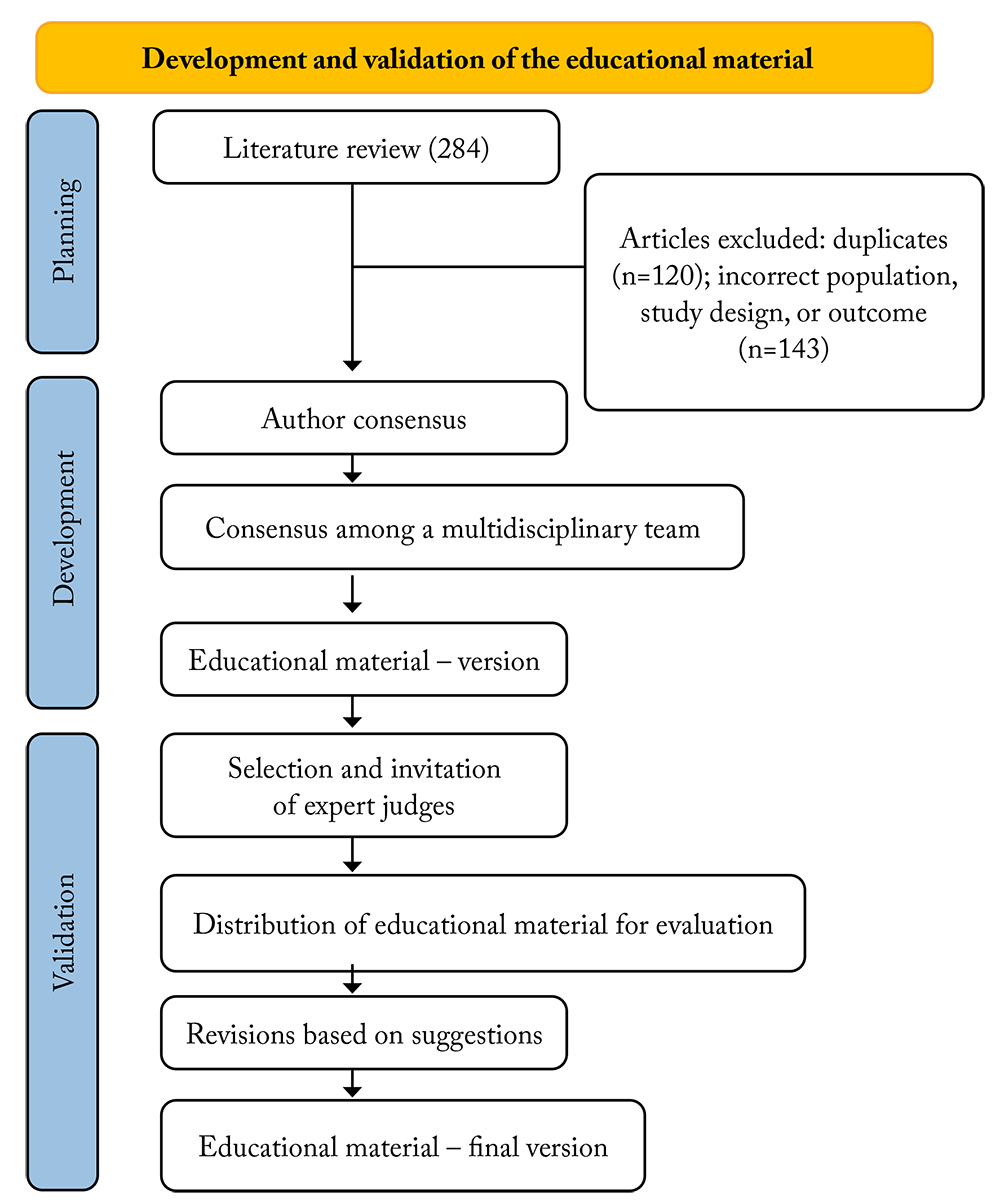
This methodological study was conducted between August 2020 and December 2022 and comprised three phases: (1) planning, (2) development, and (3) validation14.
During the planning phase, the most prevalent disabilities among women treated for CC were identified by a literature review and data analysis on the occurrence of disabilities in the target population15. The literature review was performed using the PubMed, LILACS, Web of Science, and Scopus databases, with Medical Subject Headings (MeSH) terms. Clinical trials and observational studies published from 2001 to 2022 were included; the cutoff date was defined based on the publication of the Brazilian version of the International Classification of Functioning, Disability, and Health (ICF)6.
Data on the most frequent disabilities reported by women treated for CC at the Gynecologic Oncology Outpatient Clinic of the Instituto Jenny de Andrade Faria, Hospital das Clínicas, Universidade Federal de Minas Gerais (HC/UFMG), were derived from the first author’s doctoral dissertation entitled “Disabilities in women undergoing cervical cancer treatment combined with health education strategies15.” The following instruments were used: the International Consultation on Incontinence Questionnaire - Short Form (ICIQ-SF) to assess the presence and severity of urinary incontinence; the Wexner Continence Score for anal incontinence; the Rome III Criteria for constipation; the Rolland-Morris Disability Questionnaire for low back pain; the Miller scale for lymphedema; and the EORTC QLQ-CX24 module to evaluate sexual dysfunction and vaginal stenosis.
Based on the findings from the planning phase, the material was developed by an expert panel composed of the interdisciplinary team from the Gynecologic Oncology Outpatient Clinic of the Instituto Jenny de Andrade Faria (HC/UFMG), including one physical therapist, two gynecologists, one oncologist, one radiotherapist, and one nurse. The content was organized into the following sections: (1) Muscular guidance; (2) Circulatory guidance; (3) Urinary habits; (4) Bowel habits, and (5) Sexual health and intimate hygiene guidance. The interprofessional team from the Center for Distance Education Support at the Universidade Federal de Minas Gerais (CAED - UFMG), comprising professionals from Education and Advertising backgrounds, structured the material using accessible language and short sentences. The layout was designed to be visually engaging, with key topics highlighted to facilitate comprehension and information retention.
The selection of the 15 physical therapists for the validation phase followed these criteria: certification as specialists in Oncology Physical Therapy and/or Women’s Health by the Brazilian Federal Council of Physical and Occupational Therapy (COFFITO); actively professional practice in the field; clinical and research experience in the area; and documented scientific publications verified via the Lattes Curriculum platform. Eligible professionals were invited via e-mail to validate the educational material. Participants received, in digital format, the informed consent form, the booklet, the video script, and an evaluation form administered via Google Forms. The form consisted of 15 objective questions, three for each section (Supplementary Material 1). The following criteria were assessed: (1) relevance of the disabilities addressed, determining whether they were the most prevalent or had the greatest impact on functioning and quality of life among women treated for CC; (2) clarity of language, evaluating comprehensibility and appropriateness for the target audience; and (3) clarity of illustrations in relation to the guidance provided. At the end of each section, space was provided for comments and suggestions16.
Responses were recorded using a Likert scale with the following scores: strongly disagree (-2), disagree (-1), neutral (0), agree (+1), and strongly agree (+2). Data were tabulated in Microsoft Excel. The Content Validity Index (CVI) was calculated by dividing the number of +1 and +2 responses by the total number of expert. A CVI ≥0.8 and agreement ≥80% were considered acceptable17. Items receiving negative or neutral scores were revised and modified according to the experts’ suggestions and supporting scientific evidence. Positive responses with further suggestions were also reviewed and considered16. After incorporating the revisions, the material was formatted into its final version (Figure 1).
RESULTS
All planned phases were fully completed. The literature review included 15 studies comprising 2,440 women with a mean age of 47.7±6.0 years who had been treated for CC with surgery, radiotherapy (brachytherapy and/or external beam radiotherapy), and chemotherapy. The most common colorectal dysfunctions were constipation and flatus incontinence17-19. Following chemoradiation, a high prevalence of anal fistula (99%)20 was reported, followed by anal incontinence (79%)21 and diarrhea (55%)17. Among urinary dysfunctions, increased urinary frequency was observed in 37% of women, with stress urinary incontinence being the most prevalent type17,22. Other reported symptoms included urinary retention and dysuria17,22. Regarding sexual dysfunction, sexual satisfaction was the most frequently investigated outcome7,19,23-26, with reported symptoms of decreased sexual desire (39%), reduced orgasm (12%), impaired lubrication, and dyspareunia15,23-26. Documented neuromusculoskeletal impairments included limitations in performing daily activities24-27 and the occurrence of peripheral neuropathy24,27. Lymphedema was reported in four studies7,24,26,27.
Based on these findings, the expert panel developed the educational material in a question-and-answer format. The Education and Advertising team was responsible for layout design, standardization of illustrations, adaptation of language to the target audience, and the inclusion of explanatory content on the selected disabilities.
Of the 15 invited expert judges, 10 participated in the validation process. Relevance of the disabilities addressed achieved 100% agreement for the sections on urinary and bowel habits, and 89% for the remaining sections. In the section on sexual health and intimate hygiene, 89% of the judges agreed that the illustrations were clear, whereas the other sections achieved 100% agreement. Language clarity reached 100% agreement in most sections, except for the sexual health and intimate hygiene section (89%). The CVI ranged from 0.89 to 1, with the highest scores observed for language clarity (Table 1).
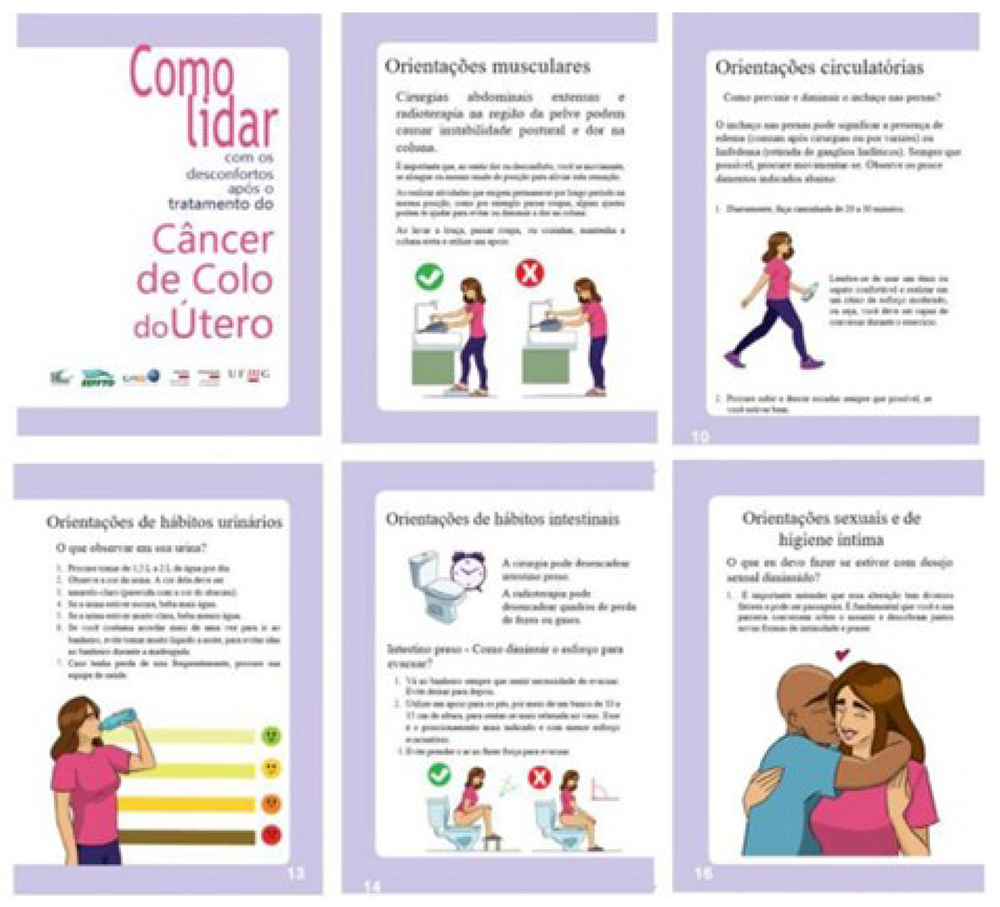
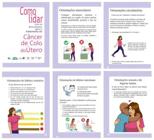
Despite the satisfactory CVI, several suggestions made by the experts were incorporated into the final version of the material, including the addition of risk factors and their underlying mechanisms related to the identified disabilities, as well as expanded content on vaginal stenosis and sexual dysfunction. Revisions to the video script were made to reflect the changes introduced in the booklet. The final version consists of a 20-page digital booklet (Figure 2) and a seven-minute and 45-second video (https://youtu.be/zAyepmTT_J4).
DISCUSSION
The educational material was developed based on the scientific literature and the experience of professionals involved in the care of women with CC, addressing the prevention, identification, and management of the most prevalent disabilities in this population. The validation process demonstrated high agreement and strong CVI scores, indicating that the material is appropriate for providing relevant guidance to the target audience. Continuity of care for women treated for CC is often considered inadequate due to communication gaps across levels of healthcare and limited access to specialized services. These barriers may contribute to the onset or worsening of disabilities and a consequent decline in quality of life20. The development of educational materials for both the target population and the interdisciplinary team may help reduce barriers in healthcare delivery, improving access and communication between patients and professionals across different levels of care10,11.
The reviewed studies indicate impairments in several physiological systems, especially the pelvic floor, due to the impact of both the disease and its treatment3. Dysfunctions in the genitourinary, gastrointestinal, circulatory, and musculoskeletal systems, particularly in the lumbopelvic region, are the most prevalent28. In addition to addressing impairments, their impact on daily activities and social participation should also be considered, with a focus on improving quality of life by means of integrated care strategies7,11. The biopsychosocial model of Functioning, Disability, and Health, which underpins the ICF6, has interdisciplinary applicability, complementing the International Classification of Diseases (ICD) and supporting a thorough model of care. The educational material developed in this study is based on this framework, offering comprehensive information on the health of women treated for CC.
The collaborative work of the interdisciplinary team, integrating different fields of expertise, enriched the educational material by ensuring the provision of valid information29, facilitating communication with patients and making the material more engaging30. The education specialist proposed accessible, jargon-free language, while the illustrations developed by the advertising professional enhanced the visual appeal of the material, contributing to improved understanding of specific content. Although no single educational method is universally superior, providing information in multiple formats accommodates individual preferences and facilitates content assimilation30. Accordingly, an educational video was developed with the same content as the digital booklet.
To capture the biopsychosocial perspectives of women treated for CC across different regions of Brazil, the validation process sought to include an expert panel composed of physical therapists from various parts of the country. Quantitative analysis demonstrated a high level of agreement and strong CVI scores regarding the relevance of the selected disabilities, clarity of the illustrations, and effectiveness of communication, which supports comprehension among individuals with varying levels of education. These findings highlight the applicability of the material as a self-care tool and as a resource for disability prevention, contributing to the minimization of treatment-related complications and adverse effects.
IMPLICATIONS FOR PRACTICE AND RESEARCH
Based on current knowledge regarding potential treatment-related disabilities associated with CC, women are expected to be encouraged to engage in self-care and adopt lifestyle habits that support the prevention or adequate management of these conditions. The material also emphasizes the importance of seeking specialized professional care when needed.
STUDY LIMITATIONS
The educational material developed in this study was not validated by the target audience. However, to design effective interventions with sustained adherence, it is crucial to understand patients’ expectations, experiences, acceptance, lifestyle compatibility, and perceptions. Thus, further studies are needed to address this limitation and to evaluate women’s understanding of and adherence to the proposed recommendations following treatment for CC, so that the educational material may become an effective tool within an interdisciplinary care approach.
CONCLUSION
The educational material developed by the interdisciplinary team achieved high levels of agreement and strong CVI scores among the experts, demonstrating the relevance of the disabilities addressed, as well as the clarity of the language and illustrations. The validated material represents a valuable tool for accessing information on self-care and the prevention of the most common disabilities, benefiting both the target population and the interdisciplinary team involved in their care.
ACKNOWLEDGMENTS
The authors acknowledge the Center for Distance Education Support of the Universidade Federal de Minas Gerais (CAED UFMG), the participating physical therapists, and the team of the Gynecologic Oncology Service at the Jenny de Andrade Faria Outpatient Clinic, Hospital das Clínicas, Universidade Federal de Minas Gerais.
DATA AVAILABILITY
The data underlying this study are available in the published article.
REFERENCES
-
1 World Health Organization. The global cancer observatory [Internet]. 2020 [cited 2024 Apr 3] Available from: https://gco.iarc.fr/today/home
» https://gco.iarc.fr/today/home -
2 Tabatabaei FS, Saeedian A, Azimi A, Kolahdouzan K, Esmati E, et al. Evaluation of survival rate and associated factors in patients with cervical cancer: a retrospective Cohort study. J Res Health Sci. 2022;22(2):e00552. doi: 10.34172/jrhs.2022.87
» https://doi.org/10.34172/jrhs.2022.87 -
3 Shan X, Qian M, Wang L, Liu X. Prevalence of pelvic floor dysfunction and sexual dysfunction in cervical cancer survivors: a systematic review and meta-analysis. Int Urogynecol J. 2023;34(3):655-64. doi: 10.1007/s00192-022-05326-y
» https://doi.org/10.1007/s00192-022-05326-y -
4 Chona EZ, Msengi EA, Gosse RA, Ambikile JS. The lived experiences and caring needs of women diagnosed with cervical cancer: a qualitative study in Dar es Salaam, Tanzania. PLoS One. 2023;18(8):e0289925. doi: 10.1371/journal.pone.0289925
» https://doi.org/10.1371/journal.pone.0289925 -
5 Cianci S, Tarascio M, Arcieri M, La Verde M, Martinelli C, et al. Post treatment sexual function and quality of life of patients affected by cervical cancer: a systematic review. Medicina (Kaunas). 2023;59(4):704. doi: 10.3390/medicina59040704
» https://doi.org/10.3390/medicina59040704 - 6 World Health Organization. CIF: Classificação Internacional de Funcionalidade, Incapacidade e Saúde [Internet]. Geneva: WHO; 2001.
-
7 Le Borgne G, Mercier M, Woronoff A-S, Guizard A-V, Abeilard E, et al. Quality of life in long-term cervical cancer survivors: a population-based study. Gynecol Oncol. 2013;129(1):222-8. doi: 10.1016/j.ygyno.2012.12.033
» https://doi.org/10.1016/j.ygyno.2012.12.033 -
8 Cyr MP, Dumoulin C, Bessette P, Pina A, Gotlieb WH, et al. Feasibility, acceptability and effects of multimodal pelvic floor physical therapy for gynecological cancer survivors suffering from painful sexual intercourse: a multicenter prospective interventional study. Gynecol Oncol. 2020;159(3):778-84. doi: 10.1016/j.ygyno.2020.09.001
» https://doi.org/10.1016/j.ygyno.2020.09.001 -
9 Araya-Castro P, Sacomori C, Diaz-Guerrero P, Gayán P, Román D, et al. Vaginal Dilator and Pelvic Floor Exercises for Vaginal Stenosis, Sexual Health and Quality of Life among Cervical Cancer Patients Treated with Radiation: Clinical Report. J Sex Marital Ther. 2020;46(6):513-27. doi: 10.1080/0092623X.2020.1760981
» https://doi.org/10.1080/0092623X.2020.1760981 -
10 Howell D, Harth T, Brown J, Bennett C, Boyko S. Self-management education interventions for patients with cancer: a systematic review. Support Care Cancer. 2017;25(4):1323-55. doi: 10.1007/s00520-016-3500-z
» https://doi.org/10.1007/s00520-016-3500-z -
11 Musa J, Achenbach CJ, O'Dwyer LC, Evans CT, McHugh M, et al. Effect of cervical cancer education and provider recommendation for screening on screening rates: A systematic review and meta-analysis. PLoS One. 2017;12(9):e0183924. doi: 10.1371/journal.pone.0183924
» https://doi.org/10.1371/journal.pone.0183924 -
12 Antunes MD, Couto LA, Bertolini SMMG, Loures FNR, Schmitt ACB, et al. Effectiveness of interdisciplinary health education programs for individuals with fibromyalgia: A systematic review. J Educ Health Promot. 2021;10:64-71. doi: https://doi.org/10.4103/jehp.jehp_592_20
» https://doi.org/https://doi.org/10.4103/jehp.jehp_592_20 - 13 Soares LM, Costa LH, Silva MA. Intervenções educativas no pós-tratamento do câncer de colo de útero: um estudo de revisão. Cad Saúde Pública. 2020;36(7):e00045619.
-
14 Leite SS, Áfio ACE, Carvalho LV, Silva JM, Almeida PC, et al. Construction and validation of an Educational Content Validation Instrument in Health. Rev Bras Enferm. 2018;71(suppl 4):1635-41. doi: 10.1590/0034-7167-2017-0648
» https://doi.org/10.1590/0034-7167-2017-0648 - 15 Mesquita LA. Incapacidade de mulheres submetidas ao tratamento de câncer de colo uterino. 2022. Belo Horizonte. 2022. Tese [Doutorado]. Universidade Federal de Minas Gerais; 2022.
-
16 Rico-Sapena N, Galiana-Sánchez ME, Moncho J. Validation of a Questionnaire of Food Education Content on School Catering Websites in Spain. Int J Environ Res Public Health. 2022;19(6):3685. doi: 10.3390/ijerph19063685
» https://doi.org/10.3390/ijerph19063685 -
17 Cibula D, Velechovska P, Sláma J, Fischerova D, Pinkavova I, et al. Late morbidity following nerve-sparing radical hysterectomy. Gynecol Oncol. 2010;116(3):506-11. doi: 10.1016/j.ygyno.2009.10.061
» https://doi.org/10.1016/j.ygyno.2009.10.061 -
18 Hazewinkel MH, Sprangers MAG, van der Velden J, van der Vaart CH, Stalpers LJ, et al. Long-term cervical cancer survivors suffer from pelvic floor symptoms: a cross-sectional matched cohort study. Gynecol Oncol. 2010;117(2):281-6. doi: 10.1016/j.ygyno.2010.01.034
» https://doi.org/10.1016/j.ygyno.2010.01.034 -
19 Chen L, Zhang W-N, Zhang S-M, Yang Z-H, Zhang P. Effect of laparoscopic nerve-sparing radical hysterectomy on bladder function, intestinal function recovery and quality of sexual life in patients with cervical carcinoma. Asian Pac J Cancer Prev. 2014;15(24):10971-5. doi: 10.7314/apjcp.2014.15.24.10971
» https://doi.org/10.7314/apjcp.2014.15.24.10971 -
20 Jensen NBK, Pötter R, Kirchheiner K, Fokdal L, Lindegaard JC, et al. EMBRACE Collaborative Group. Bowel morbidity following radiochemotherapy and image-guided adaptive brachytherapy for cervical cancer: Physician- and patient reported outcome from the EMBRACE study. Radiother Oncol. 2018;127(3):431-9. doi: 10.1016/j.radonc.2018.05.016
» https://doi.org/10.1016/j.radonc.2018.05.016 -
21 Vistad I, Cvancarova M, Kristensen GB, Fosså SD. A study of chronic pelvic pain after radiotherapy in survivors of locally advanced cervical cancer. J Cancer Surviv. 2011;5(2):208-16. doi: 10.1007/s11764-011-0172-z
» https://doi.org/10.1007/s11764-011-0172-z -
22 Manchana T, Prasartsakulchai C, Santingamkun A. Long-term lower urinary tract dysfunction after radical hysterectomy in patients with early postoperative voiding dysfunction. Int Urogynecol J. 2010;21(1):95-101. doi: 10.1007/s00192-009-0996-5
» https://doi.org/10.1007/s00192-009-0996-5 -
23 Bogani G, Serati M, Nappi R, Cromi A, di Naro E, et al. Nerve-sparing approach reduces sexual dysfunction in patients undergoing laparoscopic radical hysterectomy. J Sex Med. 2014;11(12):3012-20. doi: 10.1111/jsm.12702
» https://doi.org/10.1111/jsm.12702 -
24 Kirchheiner K, Pötter R, Tanderup K, Lindegaard JC, Haie-Meder C, et al. EMBRACE Collaborative Group. Health-Related Quality of Life in Locally Advanced Cervical Cancer Patients After Definitive Chemoradiation Therapy Including Image Guided Adaptive Brachytherapy: An Analysis From the EMBRACE Study. Int J Radiat Oncol Biol Phys. 2016;94(5):1088-98. doi: 10.1016/j.ijrobp.2015.12.363
» https://doi.org/10.1016/j.ijrobp.2015.12.363 -
25 Lee Y, Lim MC, Kim SI, Joo J, Lee DO, et al. Comparison of Quality of Life and Sexuality between Cervical Cancer Survivors and Healthy Women. Cancer Res Treat. 2016;48(4):1321-29. doi: 10.4143/crt.2015.425
» https://doi.org/10.4143/crt.2015.425 -
26 Fleming ND, Ramirez PT, Soliman PT, Schmeler KM, Chisholm GB, et al. Quality of life after radical trachelectomy for early-stage cervical cancer: a 5-year prospective evaluation. Gynecol Oncol. 2016;143(3):596-603. doi: 10.1016/j.ygyno.2016.10.012
» https://doi.org/10.1016/j.ygyno.2016.10.012 -
27 Mikkelsen TB, Sørensen B, Dieperink KB. Prediction of rehabilitation needs after treatment of cervical cancer: what do late adverse effects tell us? Support Care Cancer. 2017;25(3):823-31. doi: 10.1007/s00520-016-3466-x
» https://doi.org/10.1007/s00520-016-3466-x -
28 Castaneda L, Bergmann A, Castro S, Koifman R. Functioning in Women with Cervical Cancer in Brazil: the Perspective of Experts. Rev Bras Ginecol Obstet. 2018;40(5):260-5. doi: 10.1055/s-0038-1646921
» https://doi.org/10.1055/s-0038-1646921 -
29 Torres HC, Candido NA, Alexandre LR, Pereira FL. The process of creating guidebooks for orienting self-care in the Diabetes educational program. Rev Bras Enferm. 2009;62(2):312-6. doi: 10.1590/S0034-71672009000200023
» https://doi.org/10.1590/S0034-71672009000200023 -
30 Sunemi MMO, Pinto Júnior A, Santos TPC, Sarian LOZ, Amaral MTP. Produção de vídeo educativo para prevenção de linfedema: relato da experiência de um projeto de extensão. Rev Conexão UEPG. 2021;17(1):1-17. doi: 10.5212/Rev.Conexao.v.17.17920.60
» https://doi.org/10.5212/Rev.Conexao.v.17.17920.60