
 Is there any difference between sexes in recognizing emotions in adolescence?
Abstract
Recognizing emotions in faces refers to the ability to identify, discriminate, and analyze emotional states through facial expressions, which is of paramount importance for social interaction. Throughout human development, there are qualitative and quantitative changes in this ability, including differences in how the sexes perform this task. The objective of this systematic review was to evaluate empirical research published in the last ten years that investigated the development of the ability to recognize basic emotions in faces during adolescence. The analysis of the selected articles revealed a female advantage in recognizing emotions in faces in adolescence, which seems related to neurobiological, psychosocial, and cultural factors that affect the development of boys and girls differently.
Keywords
:
emotion recognition in faces; development; adolescence; universal emotions; systematic review; difference between sexes
Resumo
O reconhecimento de emoções em faces refere-se à capacidade de identificar, discriminar e analisar estados emocionais por meio das expressões faciais, que é de suma importância para a interação social. Ao longo do desenvolvimento humano, há mudanças qualitativas e quantitativas nesta capacidade, inclusive com diferença de desempenho entre os sexos. O objetivo desta revisão sistemática foi avaliar pesquisas empíricas publicadas nos últimos dez anos, que investigaram o desenvolvimento da capacidade de reconhecimento das emoções básicas em face na adolescência. A análise dos artigos selecionados revelou uma vantagem feminina no reconhecimento de emoções em faces na adolescência, o que parece relacionado a fatores neurobiológicos, psicossociais e culturais que incidem no desenvolvimento de meninos e meninas de forma distinta.
Palavras-chave:
reconhecimento de emoções em faces; desenvolvimento; adolescência; emoções universais; revisão sistemática; diferença entre sexos
Recognizing emotions in faces refers to the ability to identify, discriminate, and analyze emotional states through facial expressions (López-Morales et al., 2020). This ability is essential for the quality of social interaction, as, in addition to verbal communication, non-verbal signals, such as body movements, gestures, and facial expressions, are abundant and necessary sources of information for socialization (Barrick et al., 2021; Lawrence et al., 2015; López-Morales et al., 2020). Difficulties in recognizing facial emotions can interfere with communication exchange, generate discomfort in social interaction, lead to misreading social cues, and cause negative and excessive emotional reactivity (Alves et al., 2012).
Concerning development, the literature points out that the ability to recognize faces appears first in babies and improves throughout childhood and adolescence as a result of the interaction between the social environment and the neurobiology of “social brain circuits” (Hoyland et al., 2017). However, this development does not occur linearly and uniformly (López-Morales et al., 2020). Each stage of human development is permeated by singularities, demands, and experiences, enabling the acquisition or improvement of specific skills.
Adolescence, characterized as a period of transition between childhood and adulthood, presents numerous and intense changes at physiological, psychological, and social levels due to aspects of humor and personality peculiar to this stage, besides socio-historical and cultural ones from where this individual belongs (Lawrence et al., 2015; López-Morales et al., 2020; Scherf et al., 2012).
However, although there are signs of qualitative and quantitative changes in the ability to read emotional expressions from faces during adolescence, knowledge on the subject at this stage of development is still scarce, since early childhood is the target of most of the studies on the topic (Lawrence et al., 2015; López-Morales et al., 2020).
Furthermore, in addition to the development process at each stage of the life cycle, there is evidence of differences between the sexes in reading emotions from faces, especially during childhood and adolescence. According to Lawrence et al. (2015), previous experiments that investigated sexual differences in the accuracy of recognizing emotional expressions in faces highlighted that women decode emotional expressions more accurately than men. However, there is no evidence that this discrepancy in performance remains throughout development. According to Rutter et al. (2019), more recent studies indicate that the female advantage, compared to men's performance, in judging emotional expressions in faces, decreases with advancing age in adulthood.
That said, this article aims to present evidence of differences in performance between the sexes based on the findings evidenced in scientific literature on the development of the ability to recognize emotions in faces in adolescence.
Method
Regarding methodology, a systematic review of the scientific literature was carried out to “identify, select, evaluate and synthesize available relevant evidence” (Pereira & Galvão, 2014, p.183). The State of the Art through Systematic Review (StArt) tool was used to guarantee the nature of this research design, which refers to the execution of standardized and careful procedures, with due registration, to ensure its reproducibility by other researchers (Galvão & Ricarte, 2020).
In accordance with established methods for carrying out systematic reviews (Galvão & Ricarte, 2020; Pereira & Galvão, 2014; Galvão & Pereira, 2014), in the present work, the research question was initially elaborated, namely: how is the ability to recognize emotions in faces developed in adolescence? Next, specialized terminologies and dictionaries were looked up in Health Sciences Descriptors (DeCS) and Medical Subject Headings (MeSH), with the purpose of mapping synonyms, ratifying the relevance and impact of each term in the search, as well as correctly translating the concepts into English, a language prioritized in international databases.
This review was carried out on November 21, 2022, on the CAPES Journal Portal, which encompasses several databases, such as Web of Science, Science Direct, and PubMed. The keywords searched were facial, emotion, development, and adolescence, and the Boolean operator AND was used in order to intersect the different terms.
The inclusion criteria were articles with full text available, published in the last 10 years (2012 to 2022), experimental research articles, articles about typically developing teenage participants, assessment of basic emotions, and that addressed the development of the ability to recognize basic emotions in adolescence.
Exclusion criteria were articles without full text available, not published in the selected period (2012 to 2022), which focused on psychopathological conditions (psychiatric disorders), general health, or specific situations (mistreatment, stress, conflicts), which investigated complex emotions, which did not evaluate adolescents or investigate the development of the ability to recognize basic emotions in a face.
After applying the keywords and inclusion and exclusion criteria, the titles and abstracts were carefully read, and the eligible articles were selected for this work. Subsequently, the selected articles were arranged according to the following information categories: title, authors, year, and source of publication, sample, methods used, and results achieved to enable a critical examination of their information.
In order to eliminate bias in the selection, the analysis and selection of articles in a systematic review must be carried out by at least two researchers ( Galvão & Ricarte, 2020; Pereira & Galvão, 2014). Therefore, in the present research, the articles were subjected to verification and discussion between the researcher and her supervisor. Furthermore, all selected articles were saved and stored for easy access during the research period.
Results
Initially, 316 articles were found. After applying the inclusion and exclusion criteria mentioned above and removing duplicate articles, 25 remained. After reading the abstract in detail, 12 were selected for analysis in this research (see Figure 1).
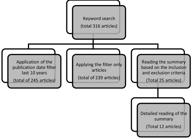
Table 1 presents the selected articles, ordered by year of publication, with their respective titles, authors, year, and source of publication.
List of selected articles with title, authors, year, and source of publication, sequenced in chronological order of publication.
Regarding the method, Table 2 shows the sample and the materials used in the selected articles.
Presentation of the sample characteristics and materials used in each experiment, ordered in the same sequence asTable 1.
Regarding the sample, it was observed that all experiments used participants with typical development; that is, they did not include participants from clinical groups (with neurological or psychiatric diagnoses); only individuals with a preserved intellectual level were evaluated.
On the other hand, there was a notable variation in the characteristics of research participants regarding the total sample size, age, and origin. The sample size of the experiments ranged from 33 to 9,546 participants. Regarding age, three articles evaluated only older children and adolescents (11 to 17 years old), and only one used a single age range (14 years old); the other articles compared age groups, namely, four articles compared children and adolescents (from 6 to 19 years old), one study evaluated adolescents and adults, three studies included children, adolescents and adults and one also covered the elderly. Overall, the minimum age of research participants was six years old, and the maximum was eighty-five years old. Regarding origin, three studies had participants from the United States and Canada, eight were composed of European participants, and only one of the experiments worked with participants from different regions, namely the United States, Great Britain, Canada, India, Australia, and Germany.
As for the materials, the experiments are similar in that they use activities involving the recognition of emotional facial expressions, contemplating universal emotions (joy, anger, sadness, disgust, surprise, and fear). Predominantly, the tasks were conducted in computerized format, that is, instead of printed images of faces. They were presented via computer. Only one of the surveys did not specify the presentation model. Furthermore, eleven of the twelve analyzed experiments used images of adult faces, and a single study also added adolescent faces for comparison.
However, the articles differ in the quantity and type of emotions presented. While some used stimuli encompassing the six universal emotions, others used only some, ranging from four to just one emotion.
Still about the materials used, a large part of the selected research (ten of the twelve articles) used other materials in conjunction with emotion recognition tasks such as instruments for assessing intelligence (Wechsler Abbreviated Intelligence Scale-WASI, and Wechsler Intelligence Scale; Intelligence for children - 4th edition WISC IV tests of social cognition, attention, and executive functions; Pubertal Development Scale and measures of brain activity, such as Electroencephalogram [EEG] and Functional Magnetic Resonance Imaging [fMRI]).
Considering the results obtained by the experiments analyzed in this work, there was consensus among the studies regarding the improvement in the development of the ability to recognize emotions in faces throughout adolescence, not linearly or homogeneously, but rather in a nuanced way among basic emotions (joy, sadness, anger, disgust, surprise, and fear).
According to the studies analyzed, expressions of joy are the most easily recognized by adolescents (Lawrence, Campbell & Skuse, 2015; Lee et al., 2013; Mancini et al., 2018). Besides joy, anger was one of the most recognized emotions in adolescence (Lee et al., 2013; Vetter et al., 2018; Ewing et al., 2017; Rutter et al., 2019). In contrast, Mancini et al. (2018) described that adolescents have lower accuracy in recognizing fearful facial expressions.
Regarding the difference in performance between the sexes, studies that investigated these aspects pointed to a female advantage in recognizing emotions in faces (Lawrence et al., 2015; Lee et al., 2013).
On the other hand, Lee et al. (2013) reported a difference in performance between the sexes in relation to the type of emotion presented. According to the experiment in question, although there is greater accuracy in recognizing expressions of happiness and anger in general among adolescents, the bias related to emotions of joy was lower among girls.
Discussion
The analysis of the articles selected for this work made it possible to reflect on various aspects related to the development of the ability to recognize emotions in faces during adolescence.
Regarding the comparison of performance between the sexes, the experiments predominantly pointed to a female advantage in recognizing emotions in faces in adolescence. This difference in performance reflects the interaction between neurobiological and psychosocial factors that affect the development of boys and girls differently.
From a neurobiological point of view, there is evidence of slower development of areas involved in processing emotions in boys when compared to girls. According to De Bellis et al. (2001), there is a delay in cortical maturation in boys compared to girls during adolescence, which predisposes them to appear more mature and, consequently, more capable and accurate in encoding, processing, and reacting to social stimuli, to the detriment of boys (Lee et al., 2013).
In addition to neurobiological aspects, the experiments highlighted that the difference between the sexes may also be related to social factors and learned behaviors since there are psychosocial and cultural conditions that permeate the development of each sex in different ways from early childhood.
According to Cisne (2014), despite being anchored in a biological substrate (sex), the concept of gender reflects a social construction. Sex relations are not isolated or merely individualized issues between men and women, but structural social relations, embodied in race/ethnicity conflicts. For Butler (2003), the concept of gender was forged as opposition to the biological determinism that exists in the idea of sex, which implies, in biology, a destiny, that is, the subject would be born male or female, and their different experiences and places in society would be determined naturally according to their sex. Such biological determination supports the naturalization of inequality between men and women. In this sense, it is important to understand that the constitution of being a man and being a woman refers to a socio-historical and cultural process.
As Ekman (2011) highlighted, emotions appear suddenly, so we do not always become aware of what motivated them at that given moment. Likewise, we do not have control over what can move us. On the other hand, it is possible to work on how we react and express these emotions. We learn socially how emotion will be expressed, to whom, by whom, and when it will be displayed. “Display rules are embodied in the parent's admonition − 'Get that smirk off your face.' These rules may dictate that we diminish, exaggerate, hide completely, or mask the expression of emotion we are feeling” (Ekman, 2011, p.22).
In this sense, it is known that socialization practices present themselves differently for the sexes. Generally, girls are more encouraged to express certain emotions, as well as to build larger friendship networks, establish more intimacy, and be more attentive and responsive to emotional communication in their interactions. On the other hand, boys are prohibited from expressing certain emotions, valuing rationality and assertiveness in their relationships (Lee et al., 2013). Thus, the social context and culture present different demands and social expectations for boys and girls, which leads to different levels of sensitivity to emotions.
However, it is essential to emphasize that greater accuracy in recognizing emotions is not purely beneficial for women. Greater sensitivity to emotions can also predispose them to greater reactivity to interpersonal conflicts and the stress of rejection in their relationships, leaving them more vulnerable to specific psychopathological conditions, such as depression (Lee et al., 2013).
In adolescence, especially, there is evidence that girls complain more frequently of interpersonal conflicts with peers and parents, as well as reacting to them to a greater extent, generally with depressive symptoms, compared to boys at the same age (Hankin and colleagues, 2007; Rudolph & Hammen, 1999).
Furthermore, in their study, Lee et al. (2013) also pointed to the presence of a smaller bias towards expressions of joy in girls in adolescence, highlighting that such a result can influence an increase in the processing of negative information by girls, increasing vulnerability to mood disorders, such as depression.
The difference in performance between the sexes, with better performance of girls compared to boys, may also be related to a greater propensity for late diagnosis or even underdiagnosis in certain conditions, such as Autism Spectrum Disorder (ASD). There is a discrepancy in the prevalence of ASD diagnosis between the sexes, to the point that men are diagnosed approximately three times more often compared to women, and this difference may be even greater in childhood (Soares et al., 2023). One of the hypotheses for this scenario refers to camouflage behavior.
Camouflage refers to the adoption of behavioral strategies to disguise social and communication difficulties. It is understood that women are more likely to use symptom camouflage due to the social and cultural demands that they experience differently from men throughout development (Milner et al., 2023). However, camouflage behaviors can mask symptoms, postpone diagnosis, and are associated with the presence of psychopathological symptoms, that is, a negative impact on mental health (Beck et al., 2020).
Final considerations
The analysis of the results achieved in this research highlighted the importance of understanding the interaction between the maturation process of brain circuits and the psychosocial aspects presented in each phase of the life cycle. Even though it is a capacity with a remarkable evolutionary history, the recognition of emotions in the face is closely related to historical, social, and cultural influences.
In this sense, it is considered relevant to construct future studies that focus on a more in-depth investigation of the topic, not just quantitatively, but qualitatively analyzing the difference in performance between boys and girls, for example, concerning the different performance regarding the six universal emotions. Likewise, it is essential to carry out longitudinal studies to verify whether or not this difference in performance remains in other stages of the life cycle.
Research on facial emotion recognition in adolescents reveals both developmental improvements and challenges. While recognition ability generally improves during adolescence, it varies among emotions, happiness being the easiest and fear the most difficult to identify (Ribeiro & Tavares, 2023).
Limitations in existing research include varied methodologies, sample sizes, and a lack of focus on the structural encoding of facial recognition (Ribeiro & Tavares, 2023; Romani et al., 2018).
References
-
Alves, NT, Rodrigues, MR, Souza, IB, & Sousa, JM (2012). Social anxiety and the attribution of emotions to neutral faces. Psychology Studies, 17 (1), 129-134. https://pesquisa.bvsalud.org/portal/resource/pt.7/psi-52220
» https://pesquisa.bvsalud.org/portal/resource/pt.7/psi-52220 -
Barrick, EM, Thornton, MA, & Tamir, DI (2021, October 12). Mask exposure during COVID-19 changes emotional face processing. PLOS ONE, 16(10). https://doi.org/10.1371/journal.pone.0258470
» https://doi.org/10.1371/journal.pone.0258470 -
Beck, J. S., Lundwall, R. A., Gabrielsen, T., Cox, J. C., & South, M. (2020). Looking good but feeling bad: "Camouflaging" behaviors and mental health in women with autistic traits. Autism: the international journal of research and practice, 24(4), 809-821. https://doi.org/10.1177/1362361320912147
» https://doi.org/10.1177/1362361320912147 - Bruce, V., & Young, A. (2012). Face perception Psychology Press.
- Butler, J. (2003). Gender Trouble: Feminism and Identity Subversion Brazilian Civilization.
-
Cisne, M. (2014). Social relations of sex, "race"/ethnicity and class: a feminist-materialist analysis. Temporalis, 14(28), 133-149. https://doi.org/10.22422/2238-1856.2014v14n28p133-149
» https://doi.org/10.22422/2238-1856.2014v14n28p133-149 - Darwin, C. (1872/2009). The expression of emotions in man and animals Company of Letters.
-
De Bellis, M.D., Keshavan, M.S., Beers, S.R., Hall, J., Frustaci, K., Masalehdan, A., Boring, A.M. (2001). Sex differences in brain maturation during childhood and adolescence. Cerebral Cortex, 11 552-557. doi:10.1093/cercor/11.6.552
» https://doi.org/10.1093/cercor/11.6.552 - Ekman, P. (2011). The language of emotions: Revolutionize your communication and relationships by recognizing all the expressions of the people around you São Paulo: Paper Moon.
-
Ewing, L., Karmiloff-Smit, A., Farran, E. K., & Smith, M. L. (2017). Developmental Changes in the Critical Information Used for Facial Expression Processing. Cognition, 166, 56-66. doi: 10.1016/j.cognition.2017.05.017
» https://doi.org/10.1016/j.cognition.2017.05.017 -
Farroni, T., & Menon, E. (2008). Visual perception and early brain development. In R. E. Tremblay, M. Boivin, & R. V. Peters, eds. Encyclopedia of Early Childhood Development https://www.enciclopedia-crianca.com/cerebro/Segundo-especialistas/percepcao-visual-e-desenvolvimento-inicial-do-cerebro
» https://www.enciclopedia-crianca.com/cerebro/Segundo-especialistas/percepcao-visual-e-desenvolvimento-inicial-do-cerebro -
Foglia, V., Zhang, H., Walsh, J. A., & Rutherford, M. D. (2022). The Development of Template-Based Facial Expression Perception from 6 to 15 Years of Age. Developmental Psychology, 58(1), 96-111. doi: 10.1037/dev0001277
» https://doi.org/10.1037/dev0001277 -
Galvão, TF, & Pereira, MG (2014). Systematic literature reviews: steps for their preparation. Epidemiology and Health Services, 23(1), 183-184. http://scielo.iec.gov.br/scielo.php?script=sci_arttext&pid=S1679-49742014000100018&lng=pt&tlng=pt
» http://scielo.iec.gov.br/scielo.php?script=sci_arttext&pid=S1679-49742014000100018&lng=pt&tlng=pt -
Galvão, MCB, & Ricarte, ILM (2020). Systematic literature review: conceptualization, production and publication. Logeion: Philosophy of Information, 6(1), 57-73. https://doi.org/10.21728/logeion.2019v6n1.p57-73
» https://doi.org/10.21728/logeion.2019v6n1.p57-73 - Ânima Educação Group (2014). Integrative Systematic Bibliographic Review Manual: evidence-based research Ânima Educação Group.
-
Hankin, B.L., & Abramson, L.Y. (2001). Development of gender differences in depression: An elaborated transactional stress theory of cognitive vulnerability. Psychological Bulletin, 127, 773-796. doi:10.1037/0033-2909.127.6.773
» https://doi.org/10.1037/0033-2909.127.6.773 - Hole, G., & Bourne, V. (2010). Face Processing Oxford.
-
Hoyland, A.L., Nearland, T., Engestron, M., Lydersen, S., & Andreassen, O.A. (2017). The relationship between face-emotion recognition and social function in adolescents with autism spectrum disorders: a case-control study. PLOS ONE, 12(10), e0186124. doi: 10.1371/journal.pone.0186124
» https://doi.org/10.1371/journal.pone.0186124 -
Lawrence, K., Campbell, R., & Skuse, D. (2015). Age, sex and puberty influence the development of facial emotion recognition. Frontiers in Psychology, 6, 761. doi: 10.3389/fpsyg.2015.00761
» https://doi.org/10.3389/fpsyg.2015.00761 -
Lee, NC, Krabbendam L, White, TP, Meeter, M., Banaschewski, T., Barker, G.J., Bokde, AL, Büchel, C., Conrod, P., Flor, H., Frouin, V., Heinz , A., Garavan, H., Gowland, P., Ittermann, B., Mann, K., Paillère Martinot, M.L., Nees, F., Paus, T., Pausova, Z., Rietschel, M., Robbins , T., Fauth-Bühler, M., Smolka, M.N., Gallinat, J., Schumann, G., Shergill, S.S. (2013). Do You See What I See? Sex Differences in the Discrimination of Facial Emotions During Adolescence. Emotion, 13(6):1030-40. doi: 10.1037/a0033560
» https://doi.org/10.1037/a0033560 -
López-Morales, H., Zabaletta, V., Vivas, L., & López, M.C. (2020). Recognition of emotional facial expressions. Differences in development. Psychology: Theory and Research, 36, e3626. https://dx.doi.org/10.1590/0102.3772e3626
» https://dx.doi.org/10.1590/0102.3772e3626 -
Mancini, G., Biolcati, R., Agnoli, S., Andrei, F., & Trombini, E. (2018). Recognition of Facial Emotional Expressions Among Italian Pre-adolescents, and Their Affective Reactions. Frontiers in Psychology, 9, 1303. doi: 10.3389/fpsyg.2018.01303
» https://doi.org/10.3389/fpsyg.2018.01303 -
MacNamara, A., Vergés, A., Kujawa, A., Fitzgerald, K.D., Monk, C.S., & Phan, K.L. (2016). Age-related Changes in Emotional Face Processing across Childhood and into Young Adulthood: Evidence from Event-related Potentials. Developmental Psychobiology, 58(1), 27-38. doi: 10.1002/dev.21341
» https://doi.org/10.1002/dev.21341 -
Milner V, Mandy W, Happé F, Colvert E. (2023). Sex differences in predictors and outcomes of camouflaging: Comparing diagnosed autistic, high autistic trait and low autistic trait young adults. Autism, 27(2), 402-414. doi: 10.1177/13623613221098240. Epub 2022 Jun 2. PMID: 35652328; PMCID: PMC9902997.
» https://doi.org/10.1177/13623613221098240 -
Pereira, MG & Galvão, TF (2014). Search and selection steps for articles in systematic literature reviews. Epidemiology and Health Services, 23(2), 369-371. https://doi.org/10.5123/S1679-49742014000200019
» https://doi.org/10.5123/S1679-49742014000200019 -
Peters, J. C., & Kemner, C. (2017). Facial Expressions Perceived by the Adolescent Brain: Towards the Proficient Use of Low Spatial Frequency Information. Biological Psychology, 129, 1-7. doi: 10.1016/j.biopsycho.2017.07.022
» https://doi.org/10.1016/j.biopsycho.2017.07.022 -
Reddy, P.V., Anandan, S., Rakesh, G., Shivakumar, V., Joseph, B., Vasu, S.K., Agarwal, S.M., Muralidharan, K., Venkatasubramanian, G., & Narayanaswamy, J.C. (2022). Emotion Processing Deficit in Euthymic Bipolar Disorder: A Potential Endophenotype. Indian Journal of Psychological Medicine, 44(2), 145-151. doi: 10.1177/02537176211026795
» https://doi.org/10.1177/02537176211026795 -
Rutter, L.A., Dodell-Feder, D., Vahia, IV, Forester, B.P., Ressler, K.J., Wilmer, J.B., & Germine, L. (2019). Emotion Sensitivity Across the Lifespan: Mapping Clinical Risk Periods to Sensitivity to Facial Emotion Intensity. Journal of Experimental Psychology. General, 148(11), 1993-2005. doi: 10.1037/xge0000559
» https://doi.org/10.1037/xge0000559 -
Rudolph, K. D., & Hammen, C. (1999). Age and gender as determinants of exposure, generation, and reactions to stress in young people: A transactional perspective. Child Development, 70, 660-677. doi:10.1111/1467-8624.00048
» https://doi.org/10.1111/1467-8624.00048 -
Scherf, S., Behrmann, M., & Dahl, R. E. (2012, Apr 2). Facing changes and changing faces in adolescence: A new model for investigating adolescent-specific interactions between pubertal, brain and behavioral development. Developmental Cognitive Neuroscience, 2(2), 199-219. doi: 10.1016/j.dcn.2011.07.016.
» https://doi.org/10.1016/j.dcn.2011.07.016. -
Silva, AIP (2017). Recognition of emotional expressions in children with complaints of anxious behavior and thinking problems [Doctoral Thesis, University of Brasília]. Institutional Repository of the University of Brasília. https://repositorio.unb.br/bitstream/10482/31250/1/2017_AnaIdalinadePaivaSilva.pdf
» https://repositorio.unb.br/bitstream/10482/31250/1/2017_AnaIdalinadePaivaSilva.pdf -
Soares, AGV, Silva, HC da ., Vidal, LA, Bonilla, MA de A. ., Tôrres, MEM, Lima, MJN de, Santana, MA de ., Alves, ME de M., Paz, UES, & Silva , HR of S. e. (2023). Scope review: the implications of late diagnosis of ASD in women. Neuroscience Magazine, 31, 1-37. https://doi.org/10.34024/rnc.2023.v31.15662
» https://doi.org/10.34024/rnc.2023.v31.15662 -
Tousignant, B., Sirois, K., Achim, AM, Massicotte, E., & Jackson, P.L. (2017). A Comprehensive Assessment of Social Cognition from Adolescence to Adulthood. Cognitive Development, 43, 214-223. https://doi.org/10.1016/j.cogdev.2017.05.001
» https://doi.org/10.1016/j.cogdev.2017.05.001 -
Vetter, N.C., Uschke, M., Thieme, J., & Altgassen, A.M. (2018). Adolescent Basic Facial Emotion Recognition Is Not Influenced by Puberty or Own-age Bias. Frontiers in Psychology, 9, 956. doi: 10.3389/fpsyg.2018.00956
» https://doi.org/10.3389/fpsyg.2018.00956 -
Whitaker, L., & Widen, S. C. (2018). How Does Emotional Intelligence Relate to Adolescents' Interpretation of Cues for Disgust? Cognition and Emotion, 32(5), 1097-1104. doi: 10.1080/02699931.2017.1362373
» https://doi.org/10.1080/02699931.2017.1362373 -
Wiggins, J.L., Adleman, N.E., Kim, P. Oakes, A.H., Hsu, D., Reynolds, R.C., Chen, C., Pine, D.S., Brotman, M.A., & Leibenluft, E. (2016). Developmental Differences in the Neural Mechanisms of Facial Emotion Labeling. Social Cognitive and Affective Neuroscience, 11(1), 172-181. doi: 10.1093/scan/nsv101
» https://doi.org/10.1093/scan/nsv101
The data supporting the findings of this study can be requested from the corresponding author upon reasonable request

