
 Effects of the enabling characteristics of budgetary control
ABSTRACT
This study evaluates the effects of the enabling characteristics of budgetary control on managerial performance and budget goal commitment. The findings contribute to the literature by addressing an important theoretical gap concerning the specific effects of enabling characteristics of budgetary control on managers' commitment to established budgetary targets and their consequent effects on managerial performance, while revealing how such practices influence these managerial attitudes. The enabling budgetary approach provides managers with greater flexibility and autonomy in organizational processes; therefore, it is relevant to understand how these characteristics influence attitudes related to managers' commitment to established budgetary targets and the consequences for their performance. The results indicate that this does not occur uniformly, which provides an explanation to the field of study and reveals that the enabling approach enhances the acceptance of and commitment by managers with budgetary responsibility to organizational objectives, targets, and desired results. Managers with higher budget goal commitment are more likely to elevate their managerial performance. The findings indicate the conditions under which the adoption of such budgetary control structures positively reflects on budget goal commitment and managerial performance. This is a descriptive, survey-based (single entity survey) quantitative study conducted with 91 middle-level managers with budgetary responsibility. Structural equation modeling was used to test the hypotheses. The results add new evidence on the enabling characteristics of budgetary control, reveal that flexibility in the budgetary process has positive effects on achieving higher levels of managerial performance, and indicate that internal transparency acts by promoting managers' commitment to reaching budgetary targets, which positively reflects on managerial performance. The findings also suggest that individuals in positions closer to senior management are more likely to perceive the enabling characteristics, and that the level of budget use for performance evaluation enhances budget goal commitment.
Keywords:
budget; enabling budgetary control; managerial performance; budget goal commitment
RESUMO
Este estudo avalia os efeitos das características habilitantes do controle orçamentário no desempenho gerencial e no compromisso com as metas orçamentárias. Os resultados contribuem para a literatura ao explorar uma importante lacuna teórica referente aos efeitos específicos das características habilitantes do controle orçamentário no compromisso de gestores com as metas orçamentárias estabelecidas e seus efeitos consequentes no desempenho gerencial, e revelam como tais práticas impactam essas atitudes gerenciais. A abordagem habilitante do orçamento fornece aos gestores mais flexibilidade e autonomia nos processos organizacionais; por isso, é relevante compreender como essas características influenciam as atitudes relacionadas ao compromisso dos gestores com as metas orçamentárias estabelecidas e as consequências no seu desempenho. Os resultados denotam que isso não ocorre de igual forma, o que fornece uma explicação ao campo de estudo e revela que a abordagem habilitante potencializa a aceitação e o compromisso de gestores com responsabilidade orçamentária com os objetivos, metas e resultados organizacionais desejados. Gestores com maior compromisso com as metas são mais propensos a elevar o seu desempenho gerencial. Os resultados indicam em que condições a adoção de tais estruturas de controle orçamentário reflete positivamente no compromisso com as metas e no desempenho gerencial. Esta é uma pesquisa descritiva, de levantamento (survey single entity) e de abordagem quantitativa, realizada com 91 gerentes de nível médio com responsabilidade orçamentária. Para testar as hipóteses, utilizou-se a modelagem de equações estruturais. Os resultados adicionam novas evidências sobre as características habilitantes do controle orçamentário, revelam que a flexibilidade no processo orçamentário tem efeitos positivos no alcance de melhores níveis de desempenho gerencial e indicam que a transparência interna atua promovendo o compromisso dos gestores no atingimento das metas orçamentárias, o que reflete positivamente no desempenho gerencial. Também sugerem que indivíduos que ocupam cargos mais próximos à alta gestão são mais propensos a perceber as características habilitantes, assim como que o nível de uso do orçamento para avaliação de desempenho potencializa o compromisso com as metas.
Palavras-chave:
orçamento; controle orçamentário habilitante; desempenho gerencial; compromisso com as metas orçamentárias
1. INTRODUCTION
Different studies on budgeting have sought to address its effects on managerial behavior and performance (Bedford et al., 2022; Hartmann & Maas, 2011; Seneviratne & Hoque, 2024); however, they have presented conflicting and divergent results (Derfuss, 2016). It is notable that individuals' attitudes are influenced by the control configuration adopted by the company (Ahrens & Chapman, 2004), making it necessary to understand its structure and configuration. Research on budgeting has focused on investigating budgetary participation and the diagnostic and interactive use of the budget, without observing the possible influences of the enabling characteristics of budgetary control, which constitutes the theoretical gap explored in this study (Mucci et al., 2021; Zonatto et al., 2023).
Enabling control can explain the effects of budget use in organizations based on four different aspects related to repair capacity, internal transparency, global transparency, and flexibility of its use (Hartmann & Maas, 2011). Despite its importance and potential for contribution, the literature is limited regarding the analysis of the effects of enabling budgetary control on individuals' attitudes (Henttu-Aho, 2016; Johansson-Berg & Wennblom, 2023; Zonatto et al., 2023). The study of enabling control has focused on investigating aspects of cost control, managerial control, and performance measurement systems, without observing its application in the budgetary context.
In this regard, this research focuses on analyzing the effects of enabling budgetary control on managerial performance and budget goal commitment. Complementarily, it evaluates the mediating effect of budget goal commitment on these relationships. By relating such characteristics to budget goal commitment and managerial performance, the research innovates and expands the body of evidence produced in the budgetary context, revealing how such aspects influence individuals' acceptance of and commitment to established budgetary targets, as well as how they reflect on their propensity to act with greater dedication in the pursuit of improved performance (managerial and organizational).
The enabling control approach derives from the framework by Adler and Borys (1996). According to this typology, enabling control provides greater autonomy to system users (Adler & Borys, 1996) and confers more flexibility and adaptation to the organization's internal processes, allowing adjustments in control systems without interfering in the company's hierarchy (Ahrens & Chapman, 2004). The enabling logic encompasses the characteristics of repair capacity (allowing adjustments and corrections), internal transparency (allowing understanding of the roles of the work unit), global transparency (allowing understanding of the budget's contributions at the global level), and flexibility (enabling adjustments in response to needs) (Ahrens & Chapman, 2004; Chapman & Kihn, 2009). The enabling design suggests that each characteristic has effects on managers' attitudes (Janka, 2021; Mucci et al., 2021; O'Grady, 2019); however, this does not occur uniformly (O'Grady, 2019; Zonatto et al., 2023).
It is understood that managerial performance can be positively influenced by the budgetary control employed by the organization when formalization is enabling. Managerial performance is the achievement of success in managerial functions (Van Der Hauwaert et al., 2022). Previous research indicates that enabling control affects managerial performance, but the uses of control focus on different management control systems (MCS) (Beuren & Santos, 2019; Cäker et al., 2022; Souza & Beuren, 2018; Van Der Hauwaert et al., 2022) and different hierarchical levels (Van Triest et al., 2023), and not on the corporate budget, as analyzed in this research. Thus, they do not allow inferences about the specific effects of enabling budgetary control on managerial performance.
Budget goal commitment is managers' involvement in achieving budgetary targets (Chong & Chong, 2002; Latham & Steele, 1983). It refers to their acceptance and mobilization of motivational resources so that the individual can act in pursuit of achieving such results. Therefore, budget goal commitment influences managerial performance (Macinati & Rizzo, 2014; Silva et al., 2023). However, research involving enabling control does not allow conclusions about the effects of enabling budgetary control on budget goal commitment.
In this research, following the social cognitive theory (SCT) approach proposed by Bandura (1977), behavioral factors (motor and verbal responses and individuals' interactions) are evaluated based on budget goal commitment. Environmental factors (events occurring in the physical environment, work, family, friends) are present in the situational constraints of the budgetary context in which the individual is inserted, which also influence their cognitions and attitudes during social interaction, and are represented by the enabling characteristics of budgetary control. Thus, the proposed relationships can, to some extent, be explained by SCT (Bandura, 1977), given that individuals' actions and conduct are linked to motor and verbal reactions and to the individual's interactions with the environment in which they are inserted (Bandura, 2008). Furthermore, according to this theory, there are several elements that exert impact on human behavior, including, for example, aspects related to behavior, such as budget goal commitment, which are influenced by the environment (enabling characteristics) (Bandura, 2008).
In this context, the research question guiding this study is: what are the effects of the enabling characteristics of budgetary control on managerial performance and budget goal commitment? To answer this question, the research aims to evaluate the effects of the enabling characteristics of budgetary control on managerial performance and budget goal commitment. The study is justified by providing new evidence on enabling budgetary control adopted in industrial organizations operating in the country. Likewise, it reveals their interactions with managerial performance and budget goal commitment, a configuration not yet investigated in the literature. Understanding the characteristics of budgetary control allows for an understanding of how organizations use budgetary management practices to promote organizational results.
Enabling control allows professionals greater autonomy over activities related to the budget (Henttu-Aho, 2016). Thus, understanding how professionals react to certain types of control allows for comprehension of how the budgetary configuration adopted by the company reflects on their capacity to achieve better levels of managerial performance and employs greater effort in reaching budgetary targets.
The study encompasses the analysis of a group of managers from a single company, which presents its particular reality and has total control over the management processes established therein. Therefore, all are exposed to the same institutional environment. This type of approach is commonly employed in similar studies (O'Grady, 2019; Seneviratne & Hoque, 2024) and enables a more specific analysis of formal control (Cäker et al., 2022). The analyzed sample consists of 91 middle-level managers with budgetary responsibility from a publicly traded American company operating in Brazil. Other studies have also been conducted under this configuration (Mucci et al., 2021; Zonatto et al., 2023).
The studies by Bernd et al. (2022), Chong and Johnson (2007), and Chong and Tak-Wing (2003) analyzed middle-level managers. Furthermore, the sample of the study by Zonatto et al. (2023) specifically comprised middle-level managers with budgetary responsibility. These studies (Bernd et al., 2022; Chong & Johnson, 2007; Chong & Tak-Wing, 2003; Zonatto et al., 2023) justify the analysis of middle-level managers in the analyzed context. It is noteworthy that middle-level managers are in line positions and are directly involved with organizational operations and activities (Chong & Tak-Wing, 2003) and are situated one or two levels below the board of directors (Mucci et al., 2016). These facts allow for the existence of distinct levels of budget goal commitment and managerial performance.
The analysis of these professionals is further justified given that middle-level managers with budgetary responsibility perform a central function in the design and use of budgetary control. Thus, understanding the proposed effects constitutes an important contribution to the field of study. Furthermore, the budget is a widely employed managerial control in the studied organization, being used for performance evaluation, which justifies the application of the research in the selected company.
In addition to theoretical contributions related to the expansion of knowledge on the subject, this research presents some practical contributions. Initially, it indicates the role of enabling control in enhancing the employment of greater effort in achieving targets and thus collaborating for managers' performance. The company is unique and has autonomy in its management practices, with no external influence in relation to the use of the budget as a managerial control instrument. The results suggest that characteristics of flexibility and internal transparency, when present in the company's budgetary process, lead respectively to greater commitment to budget targets and individual performance. In this manner, they represent aspects that contribute to budgetary management in the company, in order to improve organizational processes.
The findings also contribute to budget managers and MCS designers of other organizations, as they allow an understanding of how the use of budgetary control influences the choice of design definitions and the style of budget use (as a formal management practice) and its effects on budget goal commitment and managerial performance. As a social contribution, the relevance of identifying budgetary control mechanisms considering enabling formalization is highlighted. Observance of enabling control design and use is a positive aspect for companies (Beuren et al., 2020), as found in this research; therefore, a relevant factor to be observed in organizations.
2. THEORETICAL BACKGROUND AND RESEARCH HYPOTHESES
2.1 Enabling Budgetary Control and Managerial Performance
SCT encompasses several factors to explain human action and development, as this can be influenced by a set of cognitive and personal, behavioral, and environmental factors that mutually influence one another (Bandura, 1977). Thus, the environmental factor (enabling budgetary control) tends to exert effects on individuals' performance in their work activities, according to the SCT perspective. Although studies have investigated the effects of enabling control on behavioral variables (Chapman & Kihn, 2009; Johansson-Berg & Wennblom, 2023; Van Der Hauwaert et al., 2022), they do not specifically address the budgetary context, which constitutes the theoretical gap under investigation. The budgetary context is materialized by a set of established processes, with the purpose of aligning objectives, plans, targets, and allocating resources to support the development of organizational activities. As it is a process that begins before tasks are performed, it is constituted by premises and projections. One of the problems identified in this context is the accuracy of budget predictability, the design of the system used, and usage styles.
Thus, understanding the specific effects of the enabling characteristics of budgetary control can reveal the conditions under which managers with budgetary responsibility are committed and engaged with established budgetary objectives and targets, and how such interaction reflects on their managerial performance. The reviewed literature on the subject does not address these interactions. The empirical evidence is incipient regarding how the enabling characteristics of budgetary control interact with other organizational factors, with the purpose of promoting better individual and organizational results (Jordan & Messner, 2012; Liew, 2019; Mucci et al., 2021; Zonatto et al., 2023).
MCS are used by managers to increase efficiency and flexibility in organizations (Ahrens & Chapman, 2004). The budget is one of these systems (Covaleski et al., 2006; Mucci et al., 2021; Silva et al., 2023), used with the purpose of allowing organizational processes to occur in a transparent and effective manner (Ahrens & Chapman, 2004).
The literature establishes two control approaches that can be applied to the budgetary context (Ahrens & Chapman, 2004; Chapman & Kihn, 2009), understood as enabling control and coercive control (Adler & Borys, 1996). Enabling budgetary control is formed by the characteristics of repair capacity, internal transparency, global transparency, and flexibility (Ahrens & Chapman, 2004) and aims to provide employees with the possibility of dealing directly with adversities related to their work. In contrast, the practice of coercive budgetary control is an approach that emphasizes the centralization of activities in the company (Ahrens & Chapman, 2004). Both can be used concomitantly, as well as preferred, if such is the manager's understanding. This research investigates, in particular, enabling budgetary control.
In this context, repair capacity concerns the possibility of professionals adapting work activities for the purpose of correcting possible errors (Adler & Borys, 1996; Chapman & Kihn, 2009) and can help managers deal with budgetary contingencies arising from uncertainty and environmental dynamism (Mucci et al., 2021). The repair characteristic is opportune, as it allows managers to become directly involved with organizational processes, and the result is better individual-work congruence (Remus et al., 2020).
Evidence found by Zonatto et al. (2023) reveals that repair capacity is associated with higher levels of psychological capital in managers. Concomitantly, characteristics such as repair are associated with higher levels of job satisfaction and task performance (Remus et al., 2020). It is expected that the repair characteristic is positively related to higher managerial performance, which allows for testing the following hypothesis:
H1a: repair capacity has a direct and positive effect on managerial performance.
The dimension of internal transparency deals with knowledge about the organization's systems. The dimension of global transparency refers to understanding the organization's systems as a whole, interconnected with one another (Chapman & Kihn, 2009). These characteristics, when analyzed under the budgetary context, promote new competencies that assist professionals in developing a broader approach to control and, thus, providing relevant information for budgetary decision-making (Henttu-Aho, 2016). Observance of internal and global transparency enables individuals to utilize the company's communication systems to share information, as they are aware of the organization's internal processes (Liew, 2019). Thus, they act to qualify budgetary management processes and improve organizational communication established through the alignment of action plans, objectives and targets, and better resource allocation.
Through the characteristics of internal and global transparency, professionals have a broad and comprehensive understanding of how their work activities contribute to the organization (Liew, 2019). Additionally, Liew (2019) highlights that the internal transparency of the organization's processes must be robust for global transparency to be achieved. Although the transparency characteristics are not always associated with managers' psychological capital (Zonatto et al., 2023), they tend to be associated with the perceived usefulness of the budget (Mucci et al., 2021), the perceived success of the system, and overall performance (Chapman & Kihn, 2009). Therefore, the characteristics of internal and global transparency affect the use of organizational systems.
It is notable that transparency allows enabling control to empower subordinates (Johansson-Berg & Wennblom, 2023). Consequently, transparency assists subordinate managers in conducting their daily activities (Cäker et al., 2022), providing a greater systemic and strategic view of processes to the manager (Jordan & Messner, 2012). These transparency characteristics allow enabling control to instigate job satisfaction and task performance of those involved (Remus et al., 2020). In this line, it is understood that higher levels of internal transparency and global transparency in the organization have positive effects on managerial performance, which allows for testing the following hypotheses:
H1b: internal transparency has a direct and positive effect on managerial performance;
H1c: global transparency has a direct and positive effect on managerial performance.
Flexibility refers to the capacity of professionals to modify and add functionality to work processes (Adler & Borys, 1996). Flexibility in the budgetary system is a characteristic that promotes the effectiveness of organizational processes (Henttu-Aho, 2016). Although flexibility is not always associated with greater perceived usefulness (Mucci et al., 2021), it tends to be related to the self-efficacy, optimism, hope, and resilience of those involved in the budgetary process (Zonatto et al., 2023). Indeed, flexibility contributes to enabling perception of control to instigate higher levels of psychological empowerment in managers that is, meaning, competence, self-determination, and impact (Johansson-Berg & Wennblom, 2023).
Thus, system users have the opportunity to modify, adjust, and customize it according to their demands, needs, and preferences (Janka, 2021). Therefore, it is presumed that, in the budgetary context, the flexibility characteristic may also have positive effects on managerial performance, given that it enhances positive psychological capabilities that lead the individual to act more diligently to achieve the desired results. These premises allow testing the following research hypothesis:
H1d: flexibility has a direct and positive effect on managerial performance.
Evidence found in the literature addresses positive aspects of enabling control (Adler & Borys, 1996; Souza & Beuren, 2018; Van Triest et al., 2023). In this sense, it is expected that the characteristics of enabling budgetary control also to have positive effects on managerial performance, promoting the results expected by the organization.
2.2 Enabling Budgetary Control and Budget Goal Commitment
Human development and action are determined by a set of factors (biological, affective, and cognitive) that affect individuals (Bandura, 1977). In this sense, the relationship between enabling budgetary control (environmental factors) and budget goal commitment (behavioral factors) can be explained by SCT, as environmental factors tend to exert effects on individuals' behavioral factors in the work environment. The budget, as an integral part of MCS, fulfills the function of motivating professionals and coordinating organizational activities (Covaleski et al., 2006). However, the effectiveness of control is associated with how it is perceived by users. The enabling control approach indicates that organizational systems must provide support for individuals to improve the work performed (Adler & Borys, 1996).
In this sense, control carried out by the organization and individuals' commitment tend to lead to the achievement of organizational objectives (Zeshan et al., 2023). Enabling control influences managers' psychological needs and, through their satisfaction, promotes individual commitment (Zeshan et al., 2023). The use of enabling controls influences individuals' motivation, contributing to the perception of control and autonomy at work (Souza & Beuren, 2018).
Budget goal commitment refers to the effort employed by professionals to achieve goals related to the budget (Chong & Johnson, 2007). Individuals who engage in budgetary activities are more committed to fulfilling budgetary targets, and this promotes their managerial performance (Bernd et al., 2022; Chong & Chong, 2002; Silva et al., 2023). Managers who engage in achieving budgetary goals and objectives share more information and are more involved with the organization's budgetary management activities (Chong & Johnson, 2007).
Budget goal commitment can be explained by motivational factors and by assiduous involvement in the budgetary process (Bernd et al., 2022). Thus, the greater the involvement and information sharing, the greater their organizational commitment tends to be. In the enabling control approach, the repairability of systems aims to prevent problems and provides managers with indications of how to execute and improve their work (Chapman & Kihn, 2009). Thus, the presence of this characteristic allows managers to visualize the need for improvement actions and timely perform adjustment procedures (Van Der Hauwaert et al., 2022). This involvement and perception of support act to promote budget goal commitment.
Faced with a situation of incompleteness in the system, repair capacity allows managers to strive to resolve it (Jordan & Messner, 2012). Although repair capacity is not necessarily associated with the perception of budget usefulness (Mucci et al., 2021), it can contribute to managers perceiving it as an opportunity to adjust previously made erroneous forecasts. Repair capacity acts as a mechanism that stimulates greater manager commitment, as it provides, in addition to the acceptance of established budgetary targets, the correction of action plans and mobilization of individual resources in pursuit of the effective achievement of such results. Thus, it is expected that:
H2a: repair capacity has a direct and positive effect on budget goal commitment.
The perception of enabling control in the budget, having transparency as a quality, is associated with feelings of psychological capacity, as well as reducing attitudes toward organizational bureaucracies (Johansson-Berg & Wennblom, 2023). Transparency makes it possible to identify incompleteness in the control system (Jordan & Messner, 2012), provides managers with the opportunity to respond to contingencies more gently (O'Grady, 2019), and enhances trust in the managerial control used.
Internal transparency allows for a better understanding of the organization's internal processes (Ahrens & Chapman, 2004), while global transparency provides the opportunity to understand where work activities fit in the organization (Wouters & Wilderom, 2008). Both perform foundational functions in the operationalization of an effective and enabling MCS (Liew, 2019), since transparency is essential for enabling performance measurement systems (Cäker et al., 2022; Wouters & Wilderom, 2008) that can enhance managerial performance.
Employee involvement in the budgetary process improves decision-making, stimulates trust, and promotes target fulfillment (Alhasnawi et al., 2023), as by participating in this process, the manager comes to understand the functions and usefulness of the budget (Mucci et al., 2021) and their roles in the execution of work. These aspects are favorable to their involvement with the planned activities and the defined objectives and targets. Therefore, it is proposed that:
H2b: internal transparency has a direct and positive effect on budget goal commitment;
H2c: global transparency has a direct and positive effect on budget goal commitment.
The presence of flexibility in organizations allows finding solutions for inconsistencies in control systems (Ahrens & Chapman, 2004; Van Der Hauwaert et al., 2022). Flexibility analyzes the possibility of professionals making changes to the budget (Johansson-Berg & Wennblom, 2023). Managers who experience a safe organizational environment perceive the flexibility of the budgetary system. In contrast, insecurity generates the perception of a less fair system (Johansson-Berg & Wennblom, 2023). The perception of fairness can affect the perceived usefulness of the budget, as well as target acceptance and individual involvement at work.
It is possible to observe the flexibility characteristics when employees can make decisions or modify them after the generation of information by the enabling control system. In this case, flexibility is advantageous for the company, as it provides opportunities for corrections and the implementation of improvement actions (Wouters & Wilderom, 2008). The flexibility perceived through the use of enabling control allows employees to react to uncertainties and contingencies that occur in uncertain activities (Van Triest et al., 2023) and act to minimize negative impacts on the activities developed by the company. It is proposed that:
H2d: flexibility has a direct and positive effect on budget goal commitment.
2.3 Mediating Effect of Budget Goal Commitment
A factor addressed in SCT refers to behavioral aspects, which concern the degree of effort that individuals are willing to exert in performing a given action, which is influenced by psychological, emotional, and environmental characteristics (Bandura, 1977). Therefore, the relationship between the characteristics of enabling budgetary control and managerial performance can be influenced by behavioral factors (such as budget goal commitment).
The management accounting literature has suggested that the direct effects of budgetary control on managerial performance are a controversial topic, presenting conflicting and inconclusive results (Derfuss, 2016; Zonatto et al., 2020). Likewise, it has revealed that individuals react differently to the established control, as well as perceiving budgetary management practices differently, even when exposed to the same institutional environment (O'Grady, 2019). For this reason, it is possible to acknowledge that the effects of managerial control on performance may not occur directly, but mediated by other variables present in the budgetary context (Derfuss, 2016; Zonatto et al., 2020), as proposed in this research, based on the analysis of budget goal commitment (Degenhart et al., 2022; Grodt et al., 2023).
The enabling approach of MCS promotes greater effort in achieving performance targets (Santos & Beuren, 2023). Therefore, individuals who perceive such characteristics and support tend to commit and act actively to achieve the expected results (O'Grady, 2019). The literature evidences that budgetary participation increases budget goal commitment, promoting performance (Chong & Chong, 2002; Chong & Johnson, 2007; Nguyen et al., 2019). Furthermore, it acknowledges that this effect may not occur directly (Degenhart et al., 2022). The professional's effort to achieve an objective will influence their actions, which, in turn, will also influence their performance (Chong & Johnson, 2007; Degenhart et al., 2022).
Thus, highly committed managers tend to exert more effort in attempting to achieve budgetary targets, significantly improving work performance (Chong & Johnson, 2007; Grodt et al., 2023). The possibility of participating in the budgetary process and influencing the choice process makes individuals more likely to achieve targets, as they feel responsible for the results achieved (Bernd et al., 2022). It is also notable that budget goal commitment improves levels of managerial performance (Chong & Johnson, 2007). Therefore, it permeates the relationship between budgetary control and managerial performance (Degenhart et al., 2022; Grodt et al., 2023).
In this way, it is argued that an increase in the level of individuals' commitment to established budgetary targets may be a mediating factor of budgetary control with an enabling approach. The individual who participates in decisions related to the corporate budget remains motivated to achieve targets (Bernd et al., 2022); given that enabling budgetary control promotes the individual's interaction with the budgetary process (Chapman & Kihn, 2009), the professional understands the company's processes, understands the opportunities to adjust budgetary process failures, and has a broad view of the system (Ahrens & Chapman, 2004).
Furthermore, this discussion is anchored in the theoretical approach proposed by Bandura (1977), since, from the SCT perspective, managers' commitment to budgetary targets is determined by a set of cognitive and personal factors and environmental factors that interact, determining human action (Bandura, 1977). Thus:
H3: budget goal commitment mediates the relationship between the enabling characteristics of budgetary control and managerial performance.
Figure 1 presents the theoretical analysis model developed for the research.

3. RESEARCH METHOD AND PROCEDURES
This research is characterized as descriptive, survey-based (single entity survey), and quantitative in approach. A single entity survey was conducted considering a purposive non-probability sample. A purposive sample refers to a non-probability sample that aims to include a sample that can be representative of the population. In addition, it is adequate for a restricted population definition and/or a specific delimitation (Battaglia, 2008), in this case, a single entity (franchise of an American company).
Studies conducted within a single organizational reality stem from the relevance of exploring a given organizational context in depth, which allows for the understanding of phenomena across the most diverse areas and the organization as a whole, and are commonly employed in the literature (Frare & Beuren, 2022; Mucci et al., 2016; O'Grady, 2019; Pereira et al., 2025; Seneviratne & Hoque, 2024). The advantage of using this method in research lies in the fact that it provides a deeper analysis of the budgetary process (Mucci et al., 2021). In turn, it is subject to limitations, such as common method bias. The study was conducted with 91 middle-level managers with budgetary responsibility from an American publicly traded company (franchise) operating in Brazil. The research employs the individual level of analysis, given that multiple respondents from a single organization are considered (Mucci et al., 2016).
It is important to highlight that, for the application of the study, a research protocol was developed with the purpose of presenting the scope of the research to the company's managers, the procedures to be applied for data collection, the development schedule, and the conduct related to data collection procedures. At this stage of the research, the authors had the support of the board of directors, which was responsible for sending the electronic questionnaire to the research respondents; no face-to-face contact was made, nor were interviews conducted with the organization's members. The company autonomously adopts budgetary management practices that constitute formal budgetary management mechanisms in the investigation context, with no external influence on their use. Similarly, it was established that research participants should work with budgetary processes in the organization (managers with budgetary responsibility).
Such procedures contributed to the adequate definition of the object and participants of the study, given the objectives and design outlined, and resulted in a formal authorization from the company for the conduct of the research. Study participants were informed that the questionnaire would be applied only to middle-level managers of the organization who work with budgetary responsibility in their work units, and that their participation was voluntary and freely chosen (if they were so desired). After the research was conducted, participants were informed that the data would be kept for 5 years and subsequently discarded, and that they would be used solely for academic and scientific purposes.
The organization is a franchise of an American publicly traded company operating in Brazil. The multinational is a large industrial company with strong national presence. The unit where the research was conducted operates with a high degree of standardization and follows the corporate guidelines of the multinational. The company has approximately 950 employees, with an organizational structure oriented towards operational efficiency and the fulfillment of performance and quality targets.
The corporate budget constitutes a managerial control widely used by the company, which has total management over it, with no external influence on the design of its budgetary management practices. The budgetary process involves the use of macroeconomic assumptions defined jointly with financial institutions. Sales projections, in turn, are aligned with the multinational. Regarding the company's strategy development process, there is also alignment with the franchisor, since the product must be manufactured in accordance with its recommendations. In internal processes, there is some autonomy for the board of directors to define controls and indicators, useful as parameters for performance evaluation and reward systems. The company works with targets (defined by the institution itself) and super-targets (defined jointly with the franchisor) which, in general, are considered achievable and are reflected in managers' salaries. Therefore, the budget is the responsibility and management of the institution under study, which allows for the proposed inferences in the research.
Data collection occurred from April to July 2022. The company was contacted to request authorization for data collection from managers with budgetary responsibility. The structured questionnaire was organized in Google Forms and sent by e-mail. The company provided authorization for a single submission to employees. Thus, a total of 166 questionnaires were sent, and a total of 91 responses were obtained, representing a return rate of 54.82%.
The data collection instrument comprises variables that measure the enabling characteristics of budgetary control, managerial performance, and budget goal commitment. Initially, the items of each variable comprising the research construct were translated, given that instruments published in the English language were selected for the research. Subsequently, with the purpose of ensuring the understanding of the items that constitute the research construct, a pre-test procedure was conducted with professionals specializing in the area of management accounting.
In addition to the construct items, questions aimed at characterizing the sample were included. Table 1 presents the variables and their specifications.
The questionnaire was submitted for approval to the Research Ethics Committee of the institution where the authors work, approved under the Certificate of Ethical Appreciation (CAAE), number 5.101.241. Having collected the data, tabulation and analysis were performed. The collected data was tabulated and exported to SPSS® and SmartPLS® software for statistical treatment. The analysis procedures are similar to those adopted in previous studies (Beuren et al., 2020; Johansson-Berg & Wennblom, 2023).
Factor analysis, reliability analysis of the measurement constructs [average variance extracted (AVE)], composite reliability, Cronbach's alpha, discriminant validity, and method bias testing were performed. To test the relationship between the variables, structural equation modeling (SEM) was used, considering the criteria of Hair et al. (2022). The use of the SEM technique is common in studies already published under the approach adopted in this research (Bernd et al., 2022; Johansson-Berg & Wennblom, 2023).
The sample is composed predominantly of male respondents (63.74%), with an average age ranging from 30 to 50 years (83.52%). The average length of service in the current position with budgetary responsibility ranges from 3 to 8 years.
4. RESULTS
4.1 Validation of Measurement Constructs
The results of the factor analysis demonstrated that all indicators were retained in the measurement model. Table 2 presents the results of discriminant validity, reliability indicators, and quality of the research construct.
The results in Table 2 reveal that the structural model presents discriminant validity, as established by the criterion of Fornell and Larcker (1981). Cronbach's alpha values were greater than 0.779, composite reliability values were greater than 0.867, and AVE was greater than 0.621. These results exceed the minimum values recommended by Hair et al. (2022) for the validation of the structural model. The predictive relevance (Q²) of the model was 0.229, and the coefficient of explanation (R²) was 0.353, values adequate for the structural model. The effect size test (f²) presented values greater than 0.364, also adequate to attest the validity of the measurement constructs.
Finally, Harman's single factor test was performed to verify common method bias, in which the first factor represents only 42.28% of the extracted variance, which, as recommended by Podsakoff et al. (2003), suggests the absence of problems related to common method bias in the analyzed sample. Therefore, given the analysis of the structural model validation indicators proposed for this research, it is possible to analyze the theoretical relationships established for the study.
4.2 Hypothesis Testing Results
Table 3 presents a synthesis of the results of the effects of the enabling characteristics of budgetary control on managerial performance and budget goal commitment. In addition to hypothesis testing of the theoretical relationships investigated in the research, the possible effects of some control variables were evaluated.
The results confirmed that the flexibility dimension directly and positively influences managerial performance (H1d). Of the enabling characteristics of budgetary control, only internal transparency directly and positively influenced budget goal commitment (H2b). The findings also revealed that budget goal commitment directly and positively influenced managerial performance (H3), a result different from that found by Macinati and Rizzo (2014) and similar to that found by Chong and Johnson (2007). Regarding the mediation analyzed, it was found that individuals who perceive internal transparency in the organization are more committed and, consequently, have better managerial performance (H3b).
Regarding the control variables, it was found that professionals in higher positions perceive the characteristics of repair capacity in the budgetary process and internal transparency in the organization's activities. This shows that professionals exercising a higher level in the budgetary function are more likely to understand the budget, with the capacity for repair and perception of internal transparency in its use. These individuals act proactively to improve the budgetary management of their unit of responsibility, as well as to promote improvements by correcting eventual errors and failures identified in this process. These professionals also understand the budget and its use in their management processes, as well as its importance for the company.
Enabling MCS has a significant influence on organizational hierarchies. This occurs because these practices seek to change the perception of usefulness (Mucci et al., 2021) and improve middle-level employees' diagnostic capacity in developing their actions (Zonatto et al., 2023). When this occurs, these managers act to improve the control systems used, correcting failures, errors, and improving efficiency (Coyte, 2019; Mucci et al., 2021; Zonatto et al., 2023). This condition, in addition to allowing for better learning, acts to promote better performance and greater accuracy in established budgetary management.
Regarding the use of the budget for performance evaluation, it was found that this tends to positively influence managers' budget goal commitment. These results reveal that, in the analyzed case, employees evaluated by their performance in relation to adopted budgetary practices are more committed to budgetary objectives and targets. Consequently, they are the managers who accept and act proactively to achieve these results. This occurs because individuals who engage with the budgetary process, by showing greater commitment to the organization's budgetary objectives (Chong & Chong, 2002; Degenhart et al., 2022), make more effort to achieve their budget-related targets and are more likely to achieve better performance in their work responsibilities (Chong & Johnson, 2007; Grodt et al., 2023).
4.3 Discussion
Considering such evidence, the research results allow accepting the following hypotheses established for the study: H1d (FL → MP), H2b (IT → BGC), H3 (BGC → MP), and H3b (IT → BGC → MP). It was concluded that there is a positive influence of the flexibility characteristic on the managerial performance of the middle-level managers who participated in the research. These findings reveal that these managers have the opportunity to adjust established budgetary processes and forecasts when they identify the need for improvements (Chapman & Kihn, 2009; Henttu-Aho, 2016; Johansson-Berg & Wennblom, 2023; Mucci et al., 2021). This is possible because the enabling budgetary control used positively influences employees' performance, especially when they face task uncertainties (Van Triest et al., 2023).
Regarding the characteristics of repair capacity, internal and global transparency, the research findings do not support the hypotheses that such characteristics exert a direct, positive, and significant effect on the managerial performance of the participating managers. However, the relationship found between internal and global transparency and managerial performance is positive, which demonstrates that managers have knowledge of the processes inherent to the budget, and this leads them to employ greater effort in achieving the proposed objectives, contributing to the achievement of better work performance.
According to O'Grady (2019), the internal transparency of the organization's processes is necessary for managers to be able to adequately understand the use of the MCS and begin to act to work around organizational unforeseen events more flexibly. This allows for a broader understanding of its use and potential for contribution and assists in understanding the unit's contributions to the global management processes established in the organization results also observed in this study.
This understanding is beneficial and, in addition to allowing for the enabling perception of internal and global transparency in management processes, contributes to the effective use of the budget as a formal management control for performance. Thus, it can be inferred that, when there is greater internal and global transparency, this is expected to positively influence the managerial performance of professionals with budgetary responsibility.
Regarding the relationship between the enabling characteristics of budgetary control and budget goal commitment, it was found that only internal transparency has a direct, positive, and significant effect on managers' budget goal commitment. Internal transparency provides information that allows them to act with autonomy and flexibility (Ahrens & Chapman, 2004; O'Grady, 2019). Furthermore, it enables the notion of how the company's internal processes function (Ahrens & Chapman, 2004). Through internal transparency, individuals can recognize the problems concentrated in local processes and, from this, act to resolve them.
As it is an enabling approach, this allows identified inconsistencies to be communicated (Liew, 2019). Thus, it can be stated that managers who work in the budgetary processes of the studied organization recognize the internal transparency of the budgetary management systems used, which allows them to exert greater efforts in fulfilling the established budgetary objectives and targets.
Although not significant, the relationship between repair capacity and flexibility and budget goal commitment is also positive. This evidence suggests that repairing procedural errors and establishing revisions and corrections are ways to increase managers' commitment to established budgetary targets. Likewise, flexibility and adaptation to the organization's internal processes allow for the implementation of improvement actions, which positively reflect on the company's budgetary management processes (Ahrens & Chapman, 2004). Thus, by perceiving the usefulness of the budget, it becomes possible to stimulate its use (Mucci et al., 2021) and contribute to its development.
Regarding the analysis of the mediating effect of budget goal commitment on the association between the enabling characteristics of budgetary control and managerial performance, the results found allow confirming only the hypothesis that budget goal commitment has a positive effect on the relationship between the enabling characteristics of internal transparency and managerial performance (H3b). The same does not occur in the relationship established between this variable and the other investigated characteristics (repair capacity, global transparency, and flexibility), although the analyzed mediation for the characteristics of repair capacity and flexibility is also positive, albeit not significant.
The reviewed literature on the subject emphasizes that a higher level of budget involvement is related to greater budget goal commitment and better performance (Alhasnawi et al., 2023; Chong & Chong, 2002; Silva et al., 2023). Therefore, its promotion is important. These results indicate that managers who perceive the budgetary process in their units as transparent tend to exhibit such behavior, elevating their managerial performance in their work responsibilities.
Internal transparency performs an important function in organizations, as it provides positive effects for managerial control (Cäker et al., 2022; Liew, 2019; O'Grady, 2019), indicating adequate budgetary support to managers, as well as the perception of fairness in budgetary processes. When this does not occur, having the possibility of repairing forecasting errors or having flexibility to make expenditure necessary for achieving better performance are also factors that enhance managers' commitment.
These findings are corroborated by the direct and positive effect of budget goal commitment on managerial performance. Budget goal commitment improves levels of managerial performance (Grodt et al., 2023), which occurs when budgetary information is perceived as useful to the manager (Macinati & Rizzo, 2014). Therefore, it is necessary that the adopted budgetary control be capable of effectively contributing to the improvement of established organizational management processes, so that it can reflect greater manager commitment and result in better managerial and organizational performance.
These results are also convergent with the theoretical approach proposed by Bandura (1977), since SCT addresses that environmental factor (characteristics of enabling budgetary control) and behavioral factors (budget goal commitment), when interacting, promote human action and development (in the case of this research, managerial performance in budgetary activities). However, this does not mean that these factors influence human action and development with the same strength, as individuals tend to differ in their psychological capacities (Bandura, 1977). In this sense, SCT establishes reciprocal interactions between the person, the environment, and behavior (Bandura, 1977). Therefore, under this theoretical approach, it is inferred that managerial performance was determined by the joint influence of behavioral factors (budget goal commitment) and environmental factors (enabling characteristics of budgetary control).
4.4 Implications
The findings of this research reveal important implications for the field of study. Enabling controls allow for adaptation, flexibility, and greater information flow, which enable individuals to manage work activities (Adler & Borys, 1996). In the analyzed case, it assists managers with budgetary responsibility in promoting new solutions aimed at qualifying the management processes that orient and direct the organization toward achieving better performance. This capacity for adaptation to changes allows for new adjustments and the direction of activities with greater effectiveness, considering organizations' exposure to market issues. Thus, the granted autonomy contributes to the definition of controls and performance indicators that act as activity drivers for the achievement of better performance.
The predominant presence of the enabling characteristics of flexibility and internal transparency in the budgetary process is observed, confirming this assertion. It can be inferred that flexibility in budgetary control promotes the managerial performance of middle-level managers, by allowing this qualification of management practices, aimed at implementing solutions favorable to obtaining better performance. This indicates that a more flexible budget allows managers to make strategic decisions that are adaptable to the organization's internal changes, the franchisor company's premises, and also consider external factors to the company, such as the country's economy, climatic factors, and competition. Therefore, by incorporating flexibility in budgetary management, the company acts to improve the accuracy and usefulness of the budget as a formal management practice.
It was observed that internal transparency stimulates commitment to achieving the budgetary targets established by the organization, indicating that the adequate understanding of budgetary management practices and their utility in local management favor acceptance of and commitment to these targets. Consequently, this predisposition of managers leads them to act intentionally to achieve the desired results. When this occurs, their managerial performance and organizational performance are elevated. Therefore, these attitudes are necessary and act as drivers of local performance. These results also suggest that access to budgetary information, in a clearer and more effective manner, is a factor that contributes to increasing managers' adherence to achieving established budgetary targets, given that managers understand the scope of the defined targets and perceive their participation and effective contribution to their achievement. This can reduce the perception of target imposition and contribute to professionals with budgetary responsibility being more willing to exert greater effort in fulfilling established budgetary targets. The achievement of these targets is beneficial for the company and tends to positively reflect not only on managerial performance, but also on organizational performance and its competitive condition.
Since the characteristic of internal transparency is shown to be an antecedent of budget goal commitment, and the interaction between internal transparency and budget goal commitment favors managerial performance, the effects of the informational roles of the budget as a mechanism for promoting commitment to targets and managerial performance are observed. Internal transparency allows for a more participatory organizational environment, given that managers tend to have greater knowledge about company routines and their application in the local work unit.
This makes it possible to identify and suggest adjustments and also to negotiate targets more collaboratively, promoting greater commitment to the budget and its usefulness. In the analyzed case, managers use the budget as a support instrument for the development of their management functions to this end. Thus, by fulfilling established budgetary targets, they elevate their performance and organizational performance, in addition to receiving their reward. Therefore, the established communication, beyond being necessary, also reflects greater accuracy of the budgetary management processes established in the company. Macinati and Rizzo (2014) had already suggested that greater involvement of managers in target definition provides alignment with organizational objectives, which elevates budget goal commitment and organizational performance results also found in this research.
It was found that employees engaged with budgetary objectives are more likely to exert greater effort to collect, exchange, and disseminate relevant information for the execution of their work. Thus, they present better performance, in addition to contributing to the improvement of budgetary management processes. In this sense, internal transparency in the organization, by representing the clarity of these processes in information generation, contributes to managers directing more effort, becoming more committed to the defined budgetary targets and objectives and the desired results, which positively reflects on their managerial performance.
As a practical implication, there is the observance of the qualification of organizational processes, particularly the organization's budgetary management processes (Degenhart et al., 2022), so that they can ensure greater visibility and transparency of budgetary information through, for example, monitoring reports, ensuring that individuals have the feedback and organizational support necessary to perform budgetary activities (Mucci et al., 2021; Zonatto et al., 2023) and achieve better performance.
These results converge with findings from studies (Chong & Johnson, 2007; Grodt et al., 2023; Nguyen et al., 2019; Silva et al., 2023) that emphasize that budget goal commitment stimulates work performance; however, this depends on antecedent factors such as MCS. They indicate that not all enabling characteristics are capable of promoting it, expanding the evidence on the subject, revealing that the adoption, in itself, of a management practice does not necessarily positively reflect on these variables (Zonatto et al., 2020). Having clear budgetary objectives and commitments promotes performance and helps explain organizational mechanisms (Alhasnawi et al., 2023); hence its importance.
Thus, by understanding the predictors of such action, a relevant contribution of this research is obtained. It is important to highlight that, in the evaluated company, the presence of characteristics representing enabling control was evident. Similarly, as pointed out in the literature (O'Grady, 2019), even though controls are considered enabling, they may reveal the absence of some characteristics that compose enabling control or, when present, may not impact organizational results equally. These findings also reveal an important implication for the field of study, confirming that the adoption of a given practice, in itself, is not sufficient to influence managerial attitudes (Zonatto et al., 2023), such as budget goal commitment and managerial performance.
In this research, it is internal transparency and flexibility that positively reflect on managerial performance, as no direct, positive, and significant association of the characteristics of repair capacity and global transparency with managerial performance and budget goal commitment was identified. According to Seneviratne and Hoque (2024), not all individuals perceive the enabling characteristics of budgetary control, even when exposed to the same institutional environment. Differences among managers can occur due to different factors, such as intensity of budget use, level of use for performance evaluation, level of access to information, among other factors.
The findings of this research corroborate this assertion, as the hierarchical level of the function is positively related to repair capacity and internal transparency. Similarly, the level of budget use for performance evaluation is determinant in indicating a higher level of managers' commitment to established budgetary targets.
This evidence reveals that organizations should promote access to budgetary information to different managers to disseminate its use, emphasize its importance and usefulness as a formal control mechanism, and promote internal and global transparency of their budgetary management processes. The flexibility of its use should also be encouraged, given that it contributes to necessary adjustments aimed at achieving better performance. Such actions also contribute to the improvement of budgetary management practices and to increasing the perception of their usefulness for managers' work activities. Therefore, they contribute to its use and institutionalization as a management practice.
5. CONCLUSION
The results of this research add new evidence on the enabling characteristics of budgetary control and suggest that the use of SCT in management accounting allows for understanding, considering that people's mental states and behaviors influence the work environment (Degenhart et al., 2022). Furthermore, they reveal that flexibility in the budgetary process has positive effects on achieving higher levels of managerial performance. They indicate that internal transparency acts by promoting managers' commitment to reaching budgetary targets, which positively reflects on managerial performance. They also suggest that individuals in positions closer to senior management are more likely to perceive the enabling characteristics, as well as that the level of budget use for performance evaluation enhances budget goal commitment.
These findings contribute to the literature by addressing an important theoretical research gap on the subject, concerning the specific effects of the enabling characteristics of budgetary control on managers' commitment to established budgetary targets and their consequent effects on managerial performance. They also reveal how such practices impact these managerial attitudes and suggest that the adoption, in itself, of such budgetary management practices does not ensure the improvement of budgetary management processes, nor does it elevate commitment and managerial performance, as found in this research.
The congruence of budgetary management practices and organizational purposes is necessary to mobilize the managerial body in pursuit of achieving organizational results. The acceptance and use of formal control mechanisms, such as the budget, are factors that precede the perception of usefulness and fairness of the organization's budgetary processes. The inclusion of managers in budgetary management processes contributes to the reduction of asymmetries, the correction of errors, the alignment of plans and action strategies, objectives, and better resource allocation. These conditions favor managers' commitment to established budgetary targets and their managerial performance.
Repair capacity is necessary when the organization operates in an unstable environment and institutional pressures affect its performance. Similarly, flexibility allows for the adjustment of action plans in the course of developed activities. Transparency in budgetary processes contributes to the adequate understanding of the budget and its use, both in the unit and in the organization, as well as to the understanding of each unit's contributions to the organization as a whole. This understanding improves information sharing, contributing to the resolution of problems related to the accuracy of budget predictability, system design, and usage styles.
Managerial performance is the result employed by individuals in management activities. Therefore, it directly reflects on organizational results. The implementation of an enabling budgetary configuration can be positive for organizations; however, it requires overcoming some challenges. The adequate structuring of a management process requires the formalization of this control, as well as the granting of autonomy to managers with budgetary responsibility to develop solutions and make adjustments, aiming to resolve problems in the MCS used. Likewise, it requires that these actors be capable of adequately recognizing local processes, as well as having an overview of the organization. The provision of complementary support mechanisms, such as guidance, training, and development, in addition to regular feedback and organizational support, can contribute to this occurring.
In turn, high availability is expected from managers to share private information they possess, to socialize problems, ideas, and suggestions. Their commitment is necessary for the proposed improvements to be achieved, as well as for the identified problems to be overcome. Individuals may not perceive the usefulness of controls in the same way and may not adequately understand what is expected. Thus, the involvement of these professionals in budgetary processes can constitute an efficient strategy to promote their participation and performance, in addition to favoring the creation of a culture oriented toward the improvement of management practices.
In light of the above, it is emphasized that the results found allowed for the confirmation of the approach proposed by Bandura (1977), as the research provided new evidence by observing: (i) the existence of enabling characteristics of budgetary control (environmental factors); (ii) a real context of social interaction; and (iii) the individual, the focus of analysis, and their cognitive and behavioral aspects (commitment to budgetary targets), which interact with the environment (enabling characteristics of budgetary control) and promote greater performance by managers in work activities (managerial performance).
It is important to consider that the study results should be analyzed with prudence, given some limitations identified, such as the methodological choice to address the study's relationships. The study made use of a single entity survey and other procedures, such as interviews and in-depth case studies. Studies involving multiple companies can also generate different perceptions among research participants. Furthermore, the application of the questionnaire with different samples such as managers from other organizations and segments may provide other evidence that reveals situational conditions that may be determinant for such interactions to occur.
In this research, the interaction between the perception of transparency of the adopted budgetary control is shown to be determinant in increasing managers' commitment to established budgetary targets. This condition can also influence other managerial attitudes and behaviors not investigated in this study, which may positively impact managerial and organizational performance. Thus, future studies should evaluate the effects of these interactions on other managerial attitudes, such as work engagement, involvement, and organizational commitment. Additionally, as a suggestion for future studies, the evaluation of such interactions in other organizations and samples and the observance of these variables are recommended. Similarly, the combined use of controls (enabling and coercive) and the observance of other contextual factors that may explain the environmental dynamism in which the organization operates predict aspects such as adaptation, learning, and organizational performance.
REFERENCES
-
Adler, P. S., & Borys, B. (1996). Two types of bureaucracy: Enabling and coercive. Administrative Science Quarterly, 41(1), 61-89. https://doi.org/10.2307/2393986
» https://doi.org/10.2307/2393986 -
Ahrens, T., & Chapman, C. S. (2004). Accounting for flexibility and efficiency: A field study of management control systems in a restaurant chain. Contemporary Accounting Research, 21(2), 271-301. https://doi.org/10.1506/vjr6-rp75-7gux-xh0x
» https://doi.org/10.1506/vjr6-rp75-7gux-xh0x -
Alhasnawi, M. Y., Said, R. M., Daud, Z. M., & Muhammad, H. (2023). Enhancing managerial performance through budget participation: insights from a Two-Stage A PLS-SEM and artificial neural network approach (ANN). Journal of Open Innovation: Technology, Market, and Complexity, 9(4), 1-12. https://doi.org/10.1016/j.joitmc.2023.100161
» https://doi.org/10.1016/j.joitmc.2023.100161 - Bandura, A. (1977). Social learning theory Prentice-Hall.
- Bandura, A. (2008). A evolução da teoria social cognitiva In A. Bandura, R. G. Azzi & S. Polydoro. Teoria social cognitiva: conceitos básicos (pp.15-41). Artmed.
-
Battaglia, M. (2008). Purposive sample. In Lavrakas, P. J . (Ed.), Encyclopedia of survey research methods (pp. 645-647). SAGE Publications. https://doi.org/10.4135/9781412963947.n419
» https://doi.org/10.4135/9781412963947.n419 -
Bedford, D. S., Speklé, R. F., & Widener, S. K. (2022). Budgeting and employee stress in times of crisis: Evidence from the COVID-19 pandemic. Accounting, Organizations and Society, 101, 1-15. https://doi.org/10.1016/j.aos.2022.101346
» https://doi.org/10.1016/j.aos.2022.101346 -
Bernd, D. C., Beuren, I. M., Pazetto, C. F., & Lavarda, C. E. F. (2022). Antecedentes do compromisso com as metas orçamentárias. Revista de Administração Contemporânea, 26(2), 1-19. https://doi.org/10.1590/1982-7849rac2022200018.por
» https://doi.org/10.1590/1982-7849rac2022200018.por -
Beuren, I. M., & Santos, V. dos. (2019). Enabling and coercive management control systems and organizational resilience. Revista Contabilidade & Finanças, 30(81), 307-323. https://doi.org/10.1590/1808-057x201908210
» https://doi.org/10.1590/1808-057x201908210 -
Beuren, I., Santos, V., & Bernd, D. (2020). Effects of the management control system on empowerment and organizational resilience. Brazilian Business Review, 17(2), 211-232. https://doi.org/10.15728/bbr.2020.17.2.5
» https://doi.org/10.15728/bbr.2020.17.2.5 -
Cäker, M., Siverbo, S., & Åkesson, J. (2022). Performance measurement systems, hierarchical accountability and enabling control. Accounting and Business Research, 52(7), 865-889. https://doi.org/10.1080/00014788.2021.1940076
» https://doi.org/10.1080/00014788.2021.1940076 -
Chapman, C. S., & Kihn, L.-A. (2009). Information system integration, enabling control and performance. Accounting, Organizations and Society, 34(2), 151-169. https://doi.org/10.1016/j.aos.2008.07.003
» https://doi.org/10.1016/j.aos.2008.07.003 -
Chong, V. K., & Chong, K. M. (2002). Budget goal commitment and informational effects of budget participation on performance: A structural equation modeling approach. Behavioral Research in Accounting, 14(1), 65-86. https://doi.org/10.2308/bria.2002.14.1.65
» https://doi.org/10.2308/bria.2002.14.1.65 -
Chong, V. K., & Johnson, D. M. (2007). Testing a model of the antecedents and consequences of budgetary participation on job performance. Accounting and Business Research, 37(1), 3-19. https://doi.org/10.1080/00014788.2007.9730055
» https://doi.org/10.1080/00014788.2007.9730055 -
Chong, V. K., & Tak-Wing, S. L. (2003). Testing a model of the motivational role of budgetary participation on job performance: A goal setting theory analysis. Asian Review of Accounting, 11(1), 1-17. https://doi.org/10.1108/eb060760
» https://doi.org/10.1108/eb060760 -
Covaleski, M., Evans, J. H., Luft, J., & Shields, M. D. (2006). Budgeting research: Three theoretical perspectives and criteria for selective integration. Handbooks of Management Accounting Research, 2, 587-624. https://doi.org/10.1016/s1751- 3243(06)02006-2
» https://doi.org/10.1016/s1751- 3243(06)02006-2 -
Coyte, R. (2019). Enabling management control systems situated learning and intellectual capital development. Accounting, Auditing & Accountability Journal, 32(4), 1073-1097. https://doi.org/10.1108/aaaj-02-2013-1237
» https://doi.org/10.1108/aaaj-02-2013-1237 -
Degenhart, L., Zonatto, V. C. S., & Lavarda, C. E. F. (2022). Efeitos do capital psicológico e atitudes gerenciais na relação entre participação orçamentária e desempenho. Revista Contabilidade & Finanças, 33(89), 216-231. https://doi.org/10.1590/1808-057x202113790
» https://doi.org/10.1590/1808-057x202113790 -
Derfuss, K. (2016). Reconsidering the participative budgeting-performance relation: A meta-analysis regarding the impact of level of analysis, sample selection, measurement, and industry influences. The British Accounting Review, 48(1), 17-37. https://doi.org/10.1016/j.bar.2015.07.001
» https://doi.org/10.1016/j.bar.2015.07.001 -
Fornell, C., & Larcker, D. F. (1981). Evaluating structural equation models with unobservable variables and measurement error. Journal of Marketing Research, 18(1), 39-50. https://doi.org/10.2307/3151312
» https://doi.org/10.2307/3151312 -
Frare, A. B., & Beuren, I. M. (2022). Effects of corporate reputation and social identity on innovative job performance. European Journal of Innovation Management, 25(5), 1409-1427. https://doi.org/10.1108/EJIM-02-2021-0071
» https://doi.org/10.1108/EJIM-02-2021-0071 -
Grodt, J. A. S., Zonatto, V. C. S., Degenhart, L., Piccinin, Y., & Bianchi, M. (2023). Efeitos da resiliência e atitudes gerenciais na relação entre participação orçamentária e desempenho gerencial. Revista de Administração Mackenzie, 24(5), 1-28. https://doi.org/10.1590/1678-6971/eRAMG230285.pt
» https://doi.org/10.1590/1678-6971/eRAMG230285.pt - Hair J. F., Jr., Hult, G. T. M., Ringle, C. M., & Sarstedt, M. (2022). A primer on partial least squares structural equation modeling (PLS-SEM) (3rd ed.). Sage.
-
Hartmann, F. G. H., & Maas, V. S. (2011). The effects of uncertainty on the roles of controllers and budgets: An exploratory study. Accounting and Business Research, 41(5), 439-458. https://doi.org/10.1080/00014788.2011.597656
» https://doi.org/10.1080/00014788.2011.597656 -
Henttu-Aho, T. (2016). Enabling characteristics of new budgeting practice and the role of controller. Qualitative Research in Accounting & Management, 13(1), 31-56. https://doi.org/10.1108/qram-09-2014-0058
» https://doi.org/10.1108/qram-09-2014-0058 -
Janka, M. (2021). Enabling formal MCS design and use: A meta-synthesis of qualitative research. Journal of Accounting & Organizational Change, 17(2), 133-163. https://doi.org/10.1108/jaoc-01-2019-0002
» https://doi.org/10.1108/jaoc-01-2019-0002 -
Johansson-Berg, T., & Wennblom, G. (2023). If managers feel safe, budget control becomes enabling. Evidence from a large local government organization in Sweden. Journal of Public Budgeting, Accounting & Financial Management, 35(6), 154-179. https://doi.org/10.1108/jpbafm-01-2023-0001
» https://doi.org/10.1108/jpbafm-01-2023-0001 -
Jordan, S., & Messner, M. (2012). Enabling control and the problem of incomplete performance indicators. Accounting, Organizations and Society, 37(8), 544-564. https://doi.org/10.1016/j.aos.2012.08.002
» https://doi.org/10.1016/j.aos.2012.08.002 -
Latham, G. P., & Steele, T. P. (1983). The motivational effects of participation versus goal setting on performance. Academy of Management Journal, 26(3), 406-417. https://doi.org/10.5465/256253
» https://doi.org/10.5465/256253 -
Liew, A. (2019). Enhancing and enabling management control systems through information technology: The essential roles of internal transparency and global transparency. International Journal of Accounting Information Systems, 33, 16-31. https://doi.org/10.1016/j.accinf.2019.03.001
» https://doi.org/10.1016/j.accinf.2019.03.001 -
Macinati, M. S., & Rizzo, M. G. (2014). Budget goal commitment, clinical managers’ use of budget information and performance. Health Policy, 117(2), 228-238. https://doi.org/10.1016/j.healthpol.2014.05.003
» https://doi.org/10.1016/j.healthpol.2014.05.003 -
Mahoney, T. A., Jerdee, T. H., & Carroll, S. J. (1965). The job(s) of management. Industrial Relations, 4(2), 97-110. https://doi.org/10.1111/j.1468-232x.1965.tb00922.x
» https://doi.org/10.1111/j.1468-232x.1965.tb00922.x -
Mucci, D. M., Frezatti, F., & Bido, D. de S. (2021). Enabling design characteristics and budget usefulness. RAUSP Management Journal, 56(1), 38-54. https://doi.org/10.1108/rausp04-2019-0058
» https://doi.org/10.1108/rausp04-2019-0058 -
Mucci, D. M., Frezatti, F., & Dieng, M. (2016). As múltiplas funções do orçamento empresarial. Revista de Administração Contemporânea, 20(3), 283-304. https://doi.org/10.1590/1982-7849rac2016140121
» https://doi.org/10.1590/1982-7849rac2016140121 -
Nguyen, N. P., Evangelista, F., & Kieu, T. A. (2019). The contingent roles of perceived budget fairness, budget goal commitment and vertical information sharing in driving work performance. Journal of Asian Business and Economic Studies, 26(1), 98-116. https://doi.org/10.1108/jabes-06-2018-0026
» https://doi.org/10.1108/jabes-06-2018-0026 -
O’Grady, W. (2019). Enabling control in a radically decentralized organization. Research in Accounting & Management, 16(2), 224-251. https://doi.org/10.1108/qram07-2017-0065
» https://doi.org/10.1108/qram07-2017-0065 -
Pereira, S. B., Beuren, I. M., Santos, V. (2025). Sistemas de informação gerencial habilitantes e qualidade do desempenho de servidores públicos. Revista Contabilidade & Finanças, 36(97), 1-14. https://doi.org/10.1590/1808-057x20242152.pt
» https://doi.org/10.1590/1808-057x20242152.pt -
Podsakoff, P. M., MacKenzie, S. B., Lee, J. Y., & Podsakoff, N. P. (2003). Common method biases in behavioral research. Journal of Applied Psychology, 88(5), 879-903. https://doi.org/10.1037/0021-9010.88.5.879
» https://doi.org/10.1037/0021-9010.88.5.879 -
Remus, U., Wiener, M., Saunders, C., & Mähring, M. (2020). The impact of control styles and control modes on individual-level outcomes: A first test of the integrated IS project control theory. European Journal of Information Systems, 29(2), 134-152. https://doi.org/10.1080/0960085x.2020.1718008
» https://doi.org/10.1080/0960085x.2020.1718008 -
Santos, V. dos, & Beuren, I. M. (2023). How enabling and coercive control systems influence individuals’ behaviors? Journal of Accounting & Organizational Change, 19(5), 667-688. https://doi.org/10.1108/jaoc02-2022-0026
» https://doi.org/10.1108/jaoc02-2022-0026 -
Seneviratne, C., & Hoque, Z. (2024). The interplay of episodic power in enabling and coercive budgetary designs in universities: A case study. Accounting & Finance, 64(1), 1011-1036. https://doi.org/10.1111/acfi.13171
» https://doi.org/10.1111/acfi.13171 -
Silva, P., Mota, J., & Moreira, A. C. (2023). Budget participation and employee performance in real estate companies: The mediating role of budget goal commitment, trust and job satisfaction. Baltic Journal of Management, 18(2), 226-241. https://doi.org/10.1108/bjm-03-2022-0118
» https://doi.org/10.1108/bjm-03-2022-0118 -
Souza, G. E. de, & Beuren, I. M. (2018). Impact of an enabling performance measurement system on task performance and job satisfaction. Revista Contabilidade & Finanças, 29(77), 194-212. https://doi.org/10.1590/1808-057x201805850
» https://doi.org/10.1590/1808-057x201805850 -
Van der Hauwaert, E., Hoozée, S., Maussen, S., & Bruggeman, W. (2022). The impact of enabling performance measurement on managers’ autonomous work motivation and performance. Management Accounting Research, 55, 1-15. https://doi.org/10.1016/j.mar.2021.100780
» https://doi.org/10.1016/j.mar.2021.100780 -
Van Triest, S., Kloosterman, H., & Groen, B. A. C. (2023). Under which circumstances are enabling control and control extensiveness related to employee performance? Management Accounting Research, 59, 1-17. https://doi.org/10.1016/j.mar.2023.100831
» https://doi.org/10.1016/j.mar.2023.100831 -
Wouters, M., & Wilderom, C. (2008). Developing performance-measurement systems as enabling formalization: A longitudinal field study of a logistics department. Accounting, Organizations and Society, 33(4-5), 488-516. https://doi.org/10.1016/j.aos.2007.05.002
» https://doi.org/10.1016/j.aos.2007.05.002 -
Zeshan, M., de La Villarmois, O., & Rasool, S. (2023). The effect of enabling organizational control on employees’ affective commitment. International Journal of Organizational Analysis, 31(6), 2689-2706. https://doi.org/10.1108/ijoa-11-2021-3036
» https://doi.org/10.1108/ijoa-11-2021-3036 -
Zonatto, V. C. S., Machado, F. S., Aguiar, A. B. de, & Marquezan, L. H. F. (2023). Efeitos das características habilitantes do controle orçamentário no capital psicológico de gestores com responsabilidade orçamentária. Revista Contabilidade & Finanças, 34(91), 1-16. https://doi.org/10.1590/1808-057x20221753.pt
» https://doi.org/10.1590/1808-057x20221753.pt -
Zonatto, V. C. S., Nascimento, J. C., Lunardi, M. A., & Degenhart, L. (2020). Effects of budgetary participation on managerial attitudes, satisfaction, and managerial performance. Journal of Contemporary Administration, 24(6), 532-549. https://doi.org/10.1590/1982-7849rac2020200047
» https://doi.org/10.1590/1982-7849rac2020200047
-
This is a bilingual text. This article was originally written in Portuguese, published under DOI https://doi.org/10.1590/1808-057x20252272.pt
-
This article derives from a master's dissertation defended by co-author Larissa dos Santos Pontes, supervised by co-author Vinícius Costa da Silva Zonatto, in 2025.
-
Paper presented at the XLVIII ANPAD Conference (EnANPAD 2024), Florianópolis, SC, Brazil, September 2024.
-
DATA AVAILABILITY STATEMENT
The entire dataset supporting the results of this study can be made available upon request to the authors.
-
GENERATIVE AI DISCLOSURE
The authors declare that no generative artificial intelligence was used in any stage of the production of this manuscript (including research, writing, data analysis, formula generation, or the creation of graphic elements).
-
FUNDING
The authors are grateful to the following institutions for funding this research project: - Research Support Foundation of the State of Rio Grande do Sul (Fundação de Amparo à Pesquisa do Estado do Rio Grande do Sul - FAPERGS). Process number: 24/2551-0001177-3. - National Council for Scientific and Technological Development (Conselho Nacional de Desenvolvimento Científico e Tecnológico - CNPq). Process numbers: 315704-2020-9 and 311757/2025-1. - Brazilian Federal Agency for Support and Evaluation of Graduate Education (Coordenação de Aperfeiçoamento de Pessoal de Nível Superior - CAPES). Funding code 0001.
The entire dataset supporting the results of this study can be made available upon request to the authors.

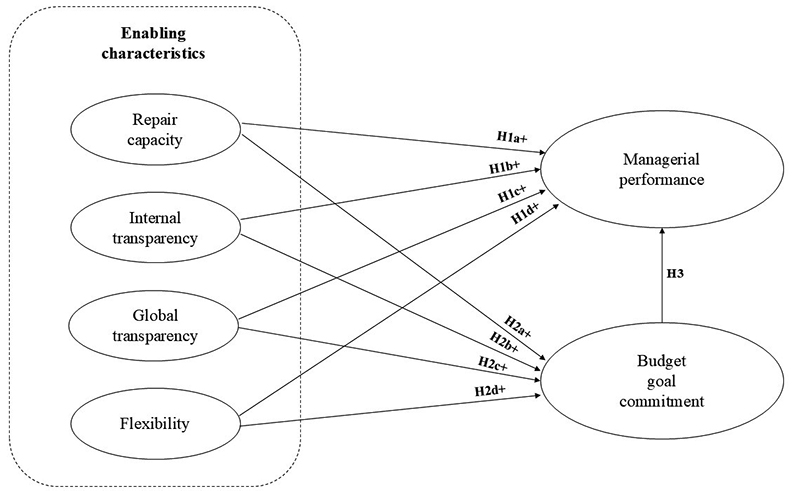 Source: Prepared by the authors.