 Hope in working-age adults with irreversible vision loss: a scoping review
Objective To map existing scientific evidence on hope in working-age adults facing irreversible vision loss by identifying concepts, approaches, and gaps in the literature.
Method: A scoping review was conducted in accordance with the JBI methodology and the PRISMA-ScR guidelines using international databases and grey literature, covering studies published between 2000 and 2025. The identified studies underwent a process of identification, selection, data extraction, and thematic synthesis by two independent reviewers, with the support of NVivo® software.
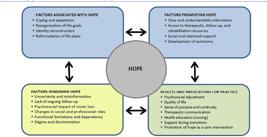
Results: Of the 261 studies identified through the literature search, six met the inclusion criteria. Analysis of the included studies allowed the identification of four main topics: (1) Concept and sources of hope; (2) Hope as a coping mechanism; (3) Psychosocial adjustment; and (4) Implications for clinical practice. Hope emerged as a multidimensional and dynamic phenomenon, with a direct impact on adaptation, quality of life, and the meaning attributed to the experience of vision loss.
Conclusion: Hope plays a fundamental role in the adaptation process to vision loss among working-age adults, with important implications for the development of person-centered nursing practices. Further research in this field will contribute to strengthening the theoretical knowledge of nursing science and guiding clinical interventions aimed at promoting hope.
DESCRIPTORS
Adult; Blindness; Nursing; Hope; Coping Skills
 Thumbnail
 Thumbnail

