 On-farm conservation: Status, overview of publications, and contributions to agrobiodiversity conservation
Abstract
This study aimed to present the status of on-farm conservation, considering its relevance for the preservation of agrobiodiversity on a global scale and its impacts in Brazil. Through bibliometric analyses, the most frequent institutions, countries, and researchers publishing on the topic were identified, and the main topics studied in each four-year publication period were discussed, covering the period from 1996 to 2023. A timeline of significant events in the establishment and legal recognition of landrace conservation was created. Since 1996, 315 original and 15 review articles have been indexed. Italy, Brazil, and the USA lead in publication numbers, with Italy standing out due to its focus on Fabaceae varieties and high researcher output. Brazil, like the USA and Italy, also has a significant support from global funding agencies for on-farm conservation research. The four-year analysis revealed the decentralization of research from Europe to the Global South and the improvements in research over time. The bibliometric review and organization of a timeline demonstrated that the development of incentive programs for the conservation of landrace varieties, coupled with support for scientific research, enhances the value of plant genetic resources and contributes to food security, sustainable agriculture, and genetic conservation.
Key words
Food Security; Genetic Conservation; Landraces; Local Varieties
INTRODUCTION
Conservation strategies for genetic resources in their natural environments (in-situ) and under cultivation (on-farm) are ancient, but their formal recognition and initial definitions emerged only in the 1990s during the United Nations Convention on Biological Diversity (CBD – Rio 92) held in Rio de Janeiro (CBD 1992), which guided the definition of biodiversity conservation concepts (Glowka et al. 1994, Pádua 2018). At this event, in-situ conservation was defined as “the conservation of ecosystems and natural habitats as well as the maintenance and reconstitution of viable populations of species in their natural environments and, in the case of domesticated and cultivated species, in the environments where they have developed their distinctive characteristics” (CBD 1992, FAO 2009).
On-farm conservation complements this strategy by promoting the genetic diversity of local landrace varieties (both animals and plants) and facilitating their evolutionary adaptation through management by local farmers in regional agricultural systems (Pereira & Soglio 2020). Thus, on-farm conservation encompasses populations of landrace species that are the product of continuous reproduction and/or selection, whether intentional or not, by farmers and the environment over generations, with the aim of maintaining traditional and local varieties, while promoting sustainability and resilience in agricultural systems (FAO 2019, Raggi et al. 2024).
It is important to note that on-farm conservation strategies have not deliberately emerged from the appreciation and recognition of sustainable agriculture or the ethnobotanical knowledge of traditional farmers. These strategies arose from the mobilization of groups of “seed guardians” farmers in response to rapid genetic erosion and the risk of extinction of local species due to the encouragement of extensive agriculture (Pereira & Soglio 2020). For example, on a regional context, in Latin America, on-farm conservation practices carried out by local farmers are crucial for preventing the extinction of germplasm of landrace corn varieties (Ogliari et al. 2007, Mastretta-Yanes et al. 2019, Guzzon et al. 2021, Tapia et al. 2021).
On a global scale, several events have propelled the recognition of on-farm conservation, including: the establishment of the Food and Agriculture Organization of the United Nations (FAO) in 1945, which plays a significant role in conserving genetic resources of food varieties with the aim of combating hunger, promoting food security, and ensuring people’s rights and access to nutrition and sustainable agriculture (FAO 2009); the CBD - Rio 92, which undeniably brought innovations regarding countries’ sovereignty over their genetic resources, farmers’ rights, and public policy frameworks focused on the use of genetic resources (Bevilaqua et al. 2014); the development of the Global Strategy for Plant Conservation (GSPC) during the 6th United Nations Climate Change Conference (COP-6) in 2000, aimed at reducing the rate of plant extinction worldwide (Pádua 2018); the implementation of the International Treaty on Plant Genetic Resources for Food and Agriculture (ITPGRFA), approved in Rome in 2001 (FAO 2009), which encouraged global governance support for conservation and raised awareness of the importance of these resources, recognizing them as a common concern for countries regarding food, agriculture, and the economy; and the establishment of the Svalbard Global Seed Vault (SGSV) by the Norwegian government in 2008, intended to store seed varieties from different countries, which, although an ex-situ conservation strategy, aims to ensure global food security and genetic diversity (Qvenild 2012).
Despite international policies promoting on-farm conservation based on cooperation between the state and farmers, the practical implementation of sustainable agricultural principles faces many challenges. According to Joshi et al. (2023), although genetic diversity is statically stored and confined in gene banks, uniform and often genetically modified varieties are favored, covering most agricultural areas. Thus, public policies for on-farm conservation often prove restrictive for local farmers, sometimes discouraging the cultivation of heirloom seeds and benefiting from extensive agriculture and the use of genetically modified organisms (GMOs) (Bernardo 2020, Joshi et al. 2023, Raggi et al. 2024).
From the aforementioned facts, it can be observed that on-farm conservation is important in the global context for various reasons, including: preservation of knowledge on landraces varieties around the world (Wale et al. 2005, Mistura et al. 2016, Oler et al. 2019, Raggi et al. 2024); perpetuation of these varieties in the face of the expansion of extensive agriculture and the use of GMOs (Pengue 2020, Fernandes et al. 2022); promotion of nutritional security and the recovery of ethnoecological knowledge among communities practicing more sustainable forms of agriculture, thereby enhancing their autonomy (Oler et al. 2019, Mthethwa & Wale 2020, Adalja et al. 2023); strengthening of nutritional availability and food sovereignty through seed networks and public policies (Cunha Alves & Azevedo 2018, Mastretta-Yanes et al. 2019); and understanding of the biology of landrace species in light of changes caused by climate emergencies (Rana & Sharma 2009, Sardaro et al. 2021). Thus, this study aimed to present the status of on-farm conservation based on bibliometric analysis and a timeline that addresses the main global events that influenced the development of this conservation strategy worldwide and its impacts in Brazil.
MATERIALS AND METHODS
A bibliometric analysis was developed using articles indexed in the databases Scientific Electronic Library Online (SciELO), Clarivate Analytics Web of Science (WoS), and Scopus. The terms “on-farm conservation”, and “landraces”, in Portuguese, Spanish, and English were used as descriptors, and both original and review articles indexed up to December 2023 were included. We use the Boolean operator “OR” between the terms in the field “Advanced search”.
The publications were organized into spreadsheets according to their year of publication, country, authorship, authors’ affiliation, funding organizations, area of knowledge indicated in the indexed platform, topic, and type of cultivation analyzed. To ensure relevance and comprehensiveness, inclusion and exclusion criteria were applied, selecting publications directly related to the topic. Subsequently, the analysis period was divided into four-year intervals to examine the main innovations and themes of each quadrennium, ensuring uniformity across periods.
The analysis was supplemented with the creation of a timeline organized in a table format, highlighting the main global events that influenced on-farm conservation, their significance and impact in Brazil, and the key researchers involved.
RESULTS AND DISCUSSION
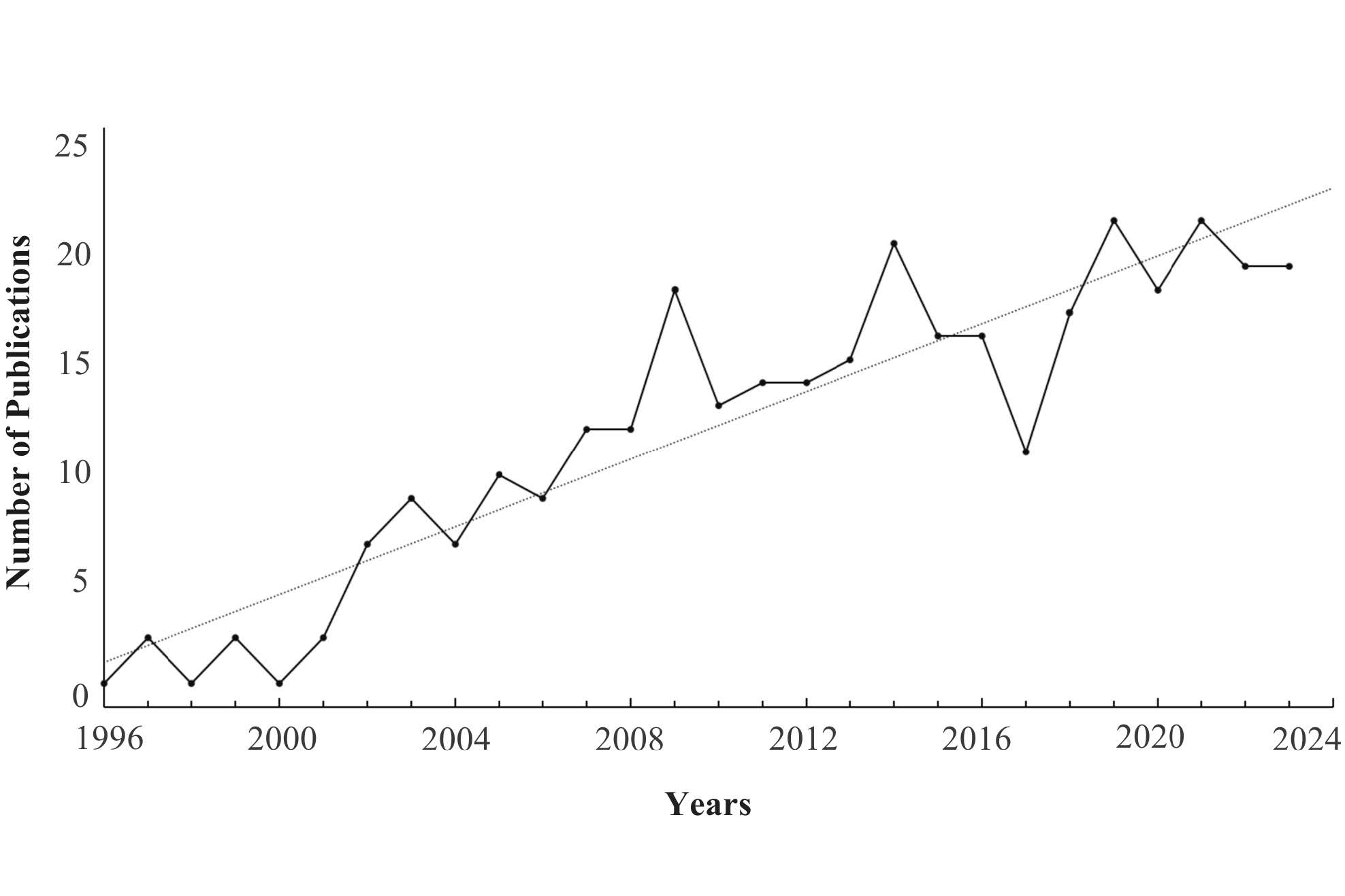
A total of 330 articles were indexed in the databases, of which 315 were original and 15 were review articles. Individual evaluations confirmed that all indexed articles addressed the research topic. The first study on on-farm conservation, titled “Genetic resources in breeding for adaptation” was published in 1996, and discussed the importance of genetic resources derived from on-farm conservation and breeding strategies for sustainable agricultural development (Hawtin et al. 1996). Since then, this theme has been addressed in publications every year and has gained prominence in scientific research (Figure 1).
Number of indexed publications per year on on-farm conservation/landraces in the databases.
Since 2002, the number of publications has been increasing. This increase is believed to be linked to the recognition of the importance of on-farm conservation in the GSPC, developed by the Gran Canaria Group during COP-6 (Pádua 2018). However, despite the general upward trend in the number of studies, there were two distinct periods when publications declined: the first between 2015 and 2017, which can be explained by Brazil and Italy—two of the countries most actively involved in research on the theme—publishing fewer studies during that period. This decline is thought to be due to both countries undergoing periods of economic instability and political reform. The second decline occurred during the COVID-19 pandemic, which affected various areas of scientific research globally (Rangel et al. 2021).
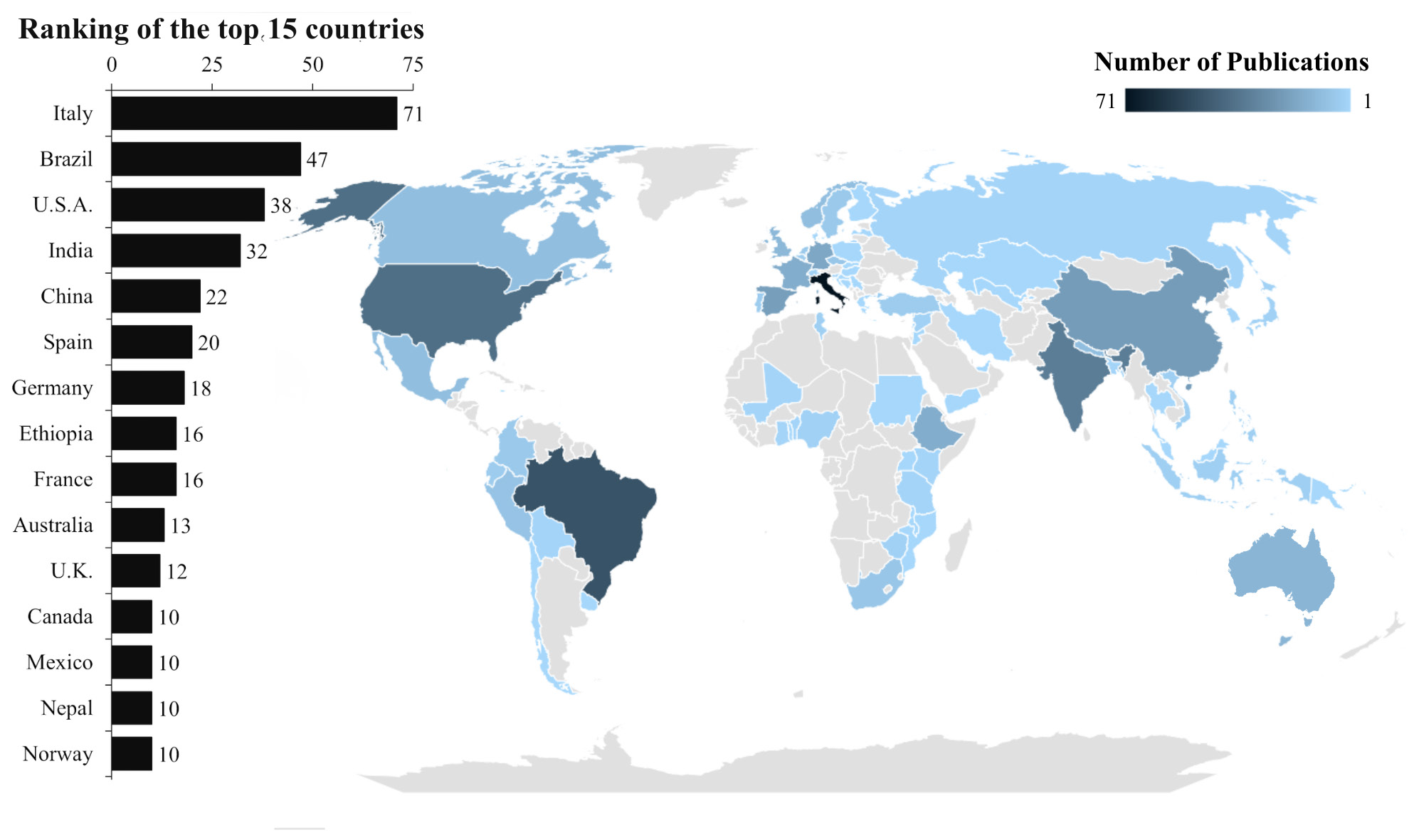
The three main authors with the highest number of indexed publications on landrace seeds and on-farm conservation are Valéria Negri (n = 14) from Italy, who has conducted research on Fabaceae species, Edilegnaw Wale (n = 7) from Ethiopia, who has studied the economics of irrigation water use in on-farm agriculture and the development of social protection programs, and Mauricio Rafael Bellon (n = 7) from the USA, who works on biodiversity conservation in sustainable agricultural and food systems of small-scale farmers. Globally, Italy has the highest number of publications on on-farm conservation, mainly due to studies on the landrace varieties of fava beans grown in the country. This is attributed to the financial support the province of Perugia has received to develop studies on the varieties of these Fabaceae species that have become naturalized in Italy and are of great importance to small farmers, given the risk of extinction of these landraces without local germplasm conservation strategies (Veteläinen et al. 2009). Brazil is the second leading country in terms of publication volume, with diverse topics including ecological studies on varieties of Acca sellowiana (O. Berg.) Burret (mountain guava) (Borsuk et al. 2017), Manihot spp. (cassava), Oryza spp. (rice) (Cunha Alves & Azevedo 2018), Zea mays L. (maize) (Fernandes et al. 2022), Butia odorata (Barb.Rodr.) Noblick (jelly palm) (Mistura et al. 2016), as well as ethnobotanical studies focused on the valorization of traditional knowledge of Indigenous (Borsuk et al. 2017), Quilombola (Borsuk et al. 2017, Oler et al. 2019), and rural Brazilian communities (Cunha Alves & Azevedo 2018). Unlike what has been observed in many global research areas, the USA, China, and Europe do not lead the list of countries that publish the most on on-farm conservation. This topic is widely studied in Global South countries such as Brazil, Ethiopia, and India, for example, due to the focus on the valorization of ethnobotanical and traditional knowledge from local smallholder farmers and traditional communities, as well as specific plant varieties that are typically not part of cosmopolitan crops or large-scale monocultures (Campos & Soglio 2020) (Figure 2).
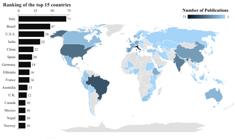
Ranking of countries with the most publications on the topic of on-farm conservation, showing publication density in countries by color scale.
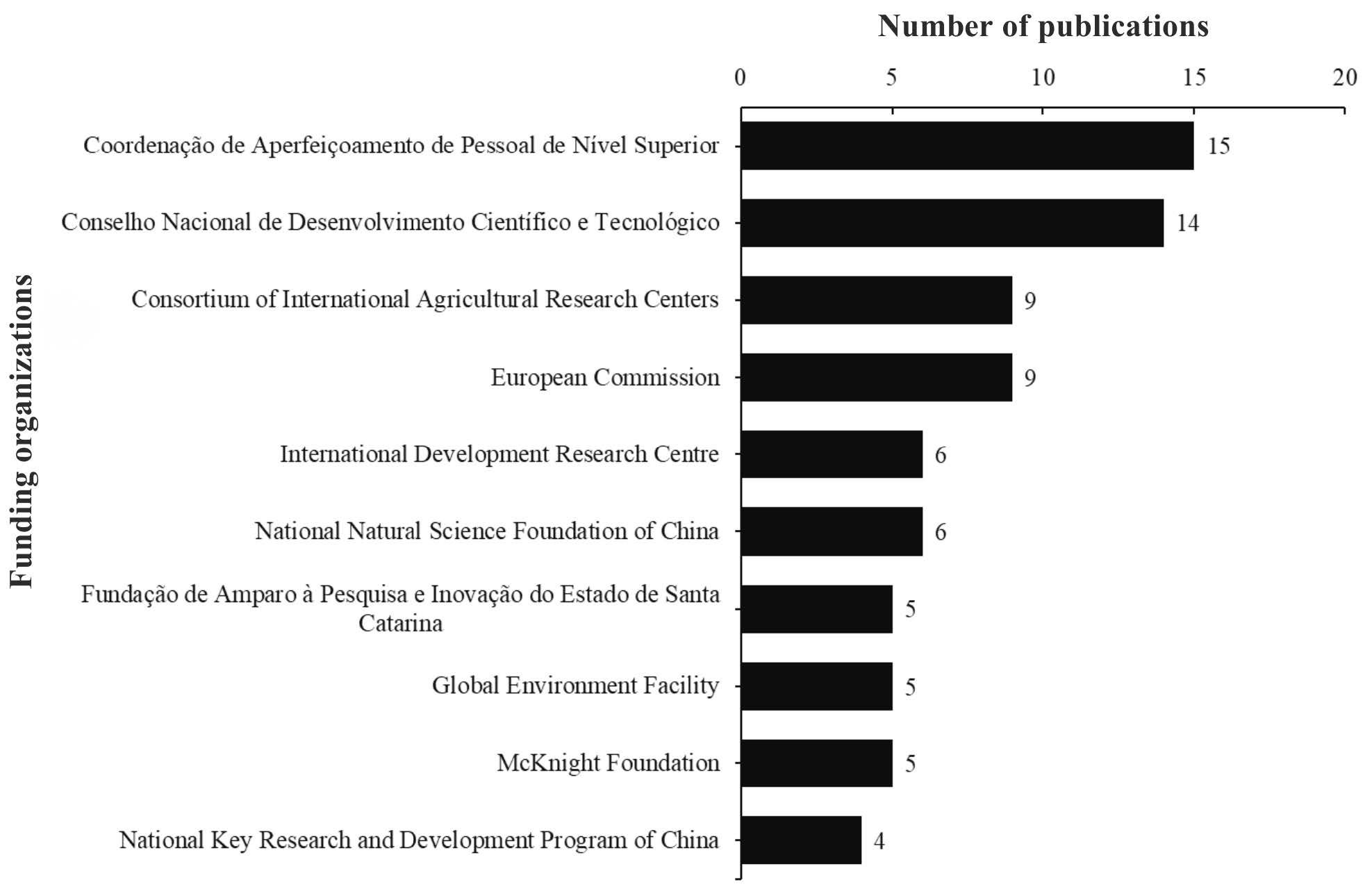
One of the factors influencing this global scenario is the manner in which financial incentives for scientific research related to the topic are provided to each country. Among the ten main agencies that funded research of this nature, three Brazilian agencies were decisive for the number of studies conducted in the country: the Coordenação de Aperfeiçoamento de Pessoal de Nível Superior (CAPES) (n = 15), the Conselho Nacional de Desenvolvimento Científico e Tecnológico (CNPq) (n = 14), which lead the global funding ranking, and the Fundação de Amparo à Pesquisa e Inovação de Santa Catarina (FAPESC) (n = 5). It is important to note that eight of these studies received joint funding from CAPES and CNPq. Funding sources from China and Italy were also significantly represented in the global publication scenario (Figure 3). The three organizations that published the most on the topic were the Alliance of Bioversity International and the International Center for Tropical Agriculture (CIAT, Rome, Italy), Universidade Federal de Santa Catarina (UFSC, Florianópolis, Brazil), and Consiglio Nazionale delle Ricerche (CNR, Rome, Italy), reinforcing the previously mentioned prominence of Italy and Brazil.
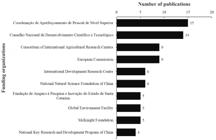
Ranking of the ten leading funding organizations with the highest number of research investments in on-farm conservation worldwide.
Regarding the main areas of knowledge found in the publications in the databases, it is noticeable that the studies mostly address the fields of Agriculture and Biological Sciences (43%), Biochemistry, Genetics, and Molecular Biology (18%), Environmental Sciences (12%), Social Sciences (10%) and Economics, Econometrics and Finance (4%). There is a clear scarcity of multidisciplinary studies, research evaluating the pharmacological and phytotherapeutic properties of traditional crop species, and other relevant topics, such as food sovereignty, nutritional security, priority areas for the conservation of traditional varieties, interactions of varieties with potential pathogens, and the phylogeny and taxonomy of plant varieties.
Brazil has 47 publications indexed in the databases, consisting of 46 original articles and one review article by Santonieri & Bustamante (2016), with the first study published in 2008. The researchers with the most publications are Rubens Onofre Nodari (UFSC; n = 5), a researcher in the field of chloroplast genetics, and Juliana Bernardi Ogliari (UFSC; n = 5), who mainly studies Z. mays, followed by Rosa Lía Barbieri from Universidade Federal de Pelotas (UFPel; n = 4), who works on the phylogeny of Arecaceae, Nivaldo Peroni (UFSC; n = 4), who focuses on socio-ecological systems and agrobiodiversity, and Auana Vicente Peronio from Empresa Brasileira de Pesquisa Agropecuária (EMBRAPA; n = 4), who studies Euphorbiaceae pollen flow and the use of microsatellite markers. The main affiliations of Brazilian authors are UFSC, EMBRAPA, and the Universidade de São Paulo (USP).
The division of the research period into four-year intervals allowed for the characterization of the studies and monitoring of the main topics, crops studied, and relevant points in each time interval. Each four-year period was characterized as follows:
-
Quadrennium 1 (1996 to 1999): This period included eight published documents, mostly studies conducted in Europe. Italy was a pioneer in on-farm conservation research and led the list in terms of the number of publications for most of the analyzed periods. The first Italian study, published in January 1996, addressed the impacts of agricultural conservation policies (Hawtin et al. 1996). Other notable publications include a checklist of traditional crop varieties (Hammer et al. 1999) and comparative studies on agricultural exploitation and conservation strategies (Wood & Lénne 1997). India contributed a single publication discussing farmers’ rights to traditional seed varieties (Swaminathan 1998).
-
Quadrennium 2 (2000 to 2003): Twenty indexed publications were found in the databases. Studies on fava bean varieties in the province of Perugia (Italy) (Negri & Tosti 2002) have shown significant global relevance and served as a basis for analyzing crops of other species in new regions, such as Ethiopia (Geleta et al. 2002), Mexico (Bellon et al. 2003), Mali (Huvio & Sidibé 2003), Switzerland, Turkey and Nepal (Bardsley 2003). Also noteworthy in this period were studies that discussed mixed methods of in-situ and on-farm conservation as complementary strategies for preserving the genetic diversity of seeds (Hammer et al. 2003).
-
Quadrennium 3 (2004 to 2007): During this period, 38 articles were published. The term “agrobiodiversity” became a prominent keyword, highlighting the shift toward sustainable development in studies following the COP-6. Studies on traditional varieties in Italy have continued to be significant (Tiranti & Negri 2007), and new research methods applicable to the studied species emerged, such as the use of molecular and genetic markers (Fukuoka et al. 2006). New inventories (Das & Das 2005), studies on the geographical distribution of species (Lebot et al. 2005), and the valorization of indigenous knowledge on on-farm practices have also gained prominence (Yongneng et al. 2006). India and Ethiopia led the list of publications during this period, particularly due to studies on Indian varieties of Oryza sativa L. (Agnihotri & Palni 2007) and Morus spp. (mulberry) (Saraswat & Thangavelu 2006) and Ethiopian species such as Coffea spp. (coffee) (Wale et al. 2005), Sorghum spp. (sorghum) (Seboka & Van Hintum 2006), and Eleusine coracana L. (finger millet) (Tsehaye et al. 2006). It is important to note that since the third quadrennium, the use of genetic markers and the creation of germplasm banks, including both ex-situ and on-farm conservation, became recurring themes in the subsequent years.
-
Quadrennium 4 (2008 to 2011): 57 documents were indexed. The first studies conducted in Brazil were published (Pelwing et al. 2008, Dos Santos et al. 2009). Other Latin American countries, such as Guatemala (Isakson 2009) and Peru (Zhang et al. 2011), as well as East African nations like Kenya (Muthoni & Nyamongo 2008), Zimbabwe (Mujaju & Chakauya 2008), and Tanzania (Kangalawe et al. 2008), also began developing studies on their local varieties and joined the global publication panorama. Some studies discussed the need to conserve global genetic resources in the face of climate change (Rana & Sharma 2009), and specific topics emerged, such as the recognition of women in on-farm agriculture and their role as seed guardians (Abdelali-Martini et al. 2008) and the conservation of medicinal plants (Guo et al. 2009, 2011).
-
Quadrennium 5 (2012 to 2015): 65 documents were indexed in the databases. Topics that began to be addressed during this period included the ecosystem services provided by on-farm crops (Sharpley et al. 2015, Thorn et al. 2015), the values that guide agroecology (Nodari & Guerra 2015), and the quality of ecosystems that make up cultivation areas (Nodari & Guerra 2015, Sharpley et al. 2015). Publications were developed to enhance global recognition of the importance of the traditional knowledge of ethnic minority groups on seed conservation and crop strategies (Xu et al. 2012, Olango et al. 2014).
-
Quadrennium 6 (2016 to 2019): This period saw a relatively stable number of studies compared with the previous quadrennium, with 65 documents published during this interval. Part of the consistency in publication numbers is believed to be due to the absence of publications by Valéria Negri after 2014. In contrast, Brazil experienced a significant increase in publications related to this topic, with studies on varieties of Butia spp. (Mistura et al. 2016), A. sellowiana (Borsuk et al. 2017), seed networks, and Quilombola communities (Borsuk et al. 2017, Oler et al. 2019), among others, showing a higher number of studies during this period. Topics such as the quality of life of informal workers (Chacón et al. 2016), creation of farmer networks (Cunha Alves & Azevedo 2018), soil parameters conducive to cultivation (Werner et al. 2017), unconventional food plants (UFPs) (Leal et al. 2018), functional biodiversity of species (Penvern et al. 2019), and irregularities in seed networks in the distribution of grains after periods of acute stress (Arce et al. 2018) also became the focus of research.
-
Quadrennium 7 (2020 to 2023): During this period, 77 articles were indexed, of which 20 were from Brazil, demonstrating the growing recognition of the topic in the country in recent years and positioning Brazilian research as increasingly influential on the global stage on the topic. Current and complex topics such as “biopower” (Campos & Soglio 2020), food and nutritional security (Adalja et al. 2023), ecogeography (Piergiovanni & Margiotta 2021, Tapia et al. 2021), transgenic flow (Fernandes et al. 2022), resilience to climate change (Sardaro et al. 2021), ecological niche modeling of traditional varieties, priority sites for conservation (Dawson et al. 2023), and interactions with pollinators, began to be discussed with greater frequency. These topics have helped fill some of the knowledge gaps regarding this conservation method despite the severe impact of the global pandemic (Penn et al. 2021).
Table I highlights the timeline, emphasizing the most significant and relevant events that contributed to the recognition of the on-farm method as a strategy for conserving genetic diversity at the global level.
Key events that influenced the recognition of on-farm conservation, its importance in the global and national context, and the main researchers and research agencies involved in each historical milestone of the topic.
Due to the creation of the timeline, it became evident that the importance of on-farm conservation for the genetic diversity of cultivated species was later recognized, especially considering that traditional communities and farmers already had been managing these varieties locally. More specifically, it was only after the development of the GSPC in 2002 that investment in this topic was observed, with greater emphasis on the scientific field. The establishment of the SGSV also set a precedent for ex-situ strategies to complement on-farm strategies and ensure genetic diversity, serving as a foundation for the establishment of other seed banks and networks worldwide (Qvenild 2012).
However, the literature suggests that globalizing the genetic resources of local crops and favoring widely adapted varieties worldwide has resulted in a very narrow genetic base for formally developed crop varieties (Bernardo 2020, Joshi et al. 2023). In some cases, there is still a lack of effective implementation of the core principles of the ITPGRFA and CBD in national legislations to prevent the genetic erosion of varieties and promote fair sharing of benefits, with a focus on those who have, over time, maintained the conservation of landraces (Bevilaqua et al. 2014, Mthethwa & Wale 2020, Raggi et al. 2024). Therefore, public policies must be more integrative for on-farm farmers, encouraging the persistence of these individuals in their practices and motivating new farmers to modify their practices to contribute to sustainable rural development.
However, it was only after historical milestones that on-farm conservation began to gain greater theoretical diffusion and became the subject of academic and scientific exploration, allowing the traditional and intrinsic practices of farmers to be investigated from new perspectives. Thus, what is perceived in the scientific community is an “umbrella effect”, where the protection of local, domesticated, or naturalized varieties brought with it the recognition of the ethnoecological knowledge of different farming communities, including smallholder farmers, Quilombola communities, and Indigenous peoples. This demonstrated, for example, the cultural heterogeneity and diversity of the “seed guardians” across the globe (Yongneng et al. 2006, Xu et al. 2012, Olango et al. 2014, Borsuk et al. 2017). These farmers are dedicated to preserving traditional knowledge and genetic heritage, which are part of both the agricultural history of their localities and their own life histories, safeguarding and passing on this knowledge to future generations, conserving agroecological practices, and performing important cultural rescues (Bevilaqua et al. 2014, Nodari & Guerra 2015).
Over time, the research landscape has revealed a wealth of topics on on-farm conservation in various countries. Initially, these topics were related to checklists of landraces from different species and regions, such as fava beans in Italy (Hammer et al. 1999, Negri & Tosti 2002), coffee in Ethiopia (Wale et al. 2005), maize in Latin America (Ogliari et al. 2007), and rice in Asia (Agnihotri & Palni 2007). Later, as genetic and molecular studies developed (Fukuoka et al. 2006), important discussions emerged on topics such as the impacts of climate change (Bellon et al. 2011, Sardaro et al. 2021), the efficiency and operation of seed networks (Arce et al. 2018), biopower and biosafety (Campos & Soglio 2020), autonomy and rights of on-farm farmers (Bernardo 2020, Joshi et al. 2023), the vulnerability of women farmers (Mthethwa & Wale 2020), and food security (Guzzon et al. 2021, Adalja et al. 2023).
Countries in the Global South have shown prominence in knowledge regarding on-farm conservation, demonstrating that informal seed networks, often neglected by public policies, are key drivers of genetic diversity of species (Chacón et al. 2016, Bernardo 2020). A notable example is Nepal, where more than 80% of the seed system is informal, a factor that has greatly contributed to the creation and maintenance of genetic diversity in the field (Joshi et al. 2023), particularly in the varieties of rice cultivated (Sthapit et al. 2008). In Latin America, the importance of these informal seed networks in managing local varieties is also evident (Guzzon et al. 2021, Bellon et al. 2003), especially in the “crioulação” process of maize, which led to the selection of highly nutritious varieties and plays a key role in the subsistence of lower income families (Bernardo 2020).
Brazil has also made significant contributions to on-farm conservation by signing the ITPGRFA and incorporating the FAO principles into its public policies (Bernardo 2020). In this regard, it is important to highlight the adoption of policies aimed at promoting food security, defined in national legislation as “the right to regular and permanent access to quality food, in sufficient quantity, without compromising access to other essential needs” (Brasil 2006). Concern for the genetic diversity of seeds was also noted during the enactment of the Seed and Seedlings Law n. 10,711/03 (Brasil 2003), which recognizes the existence of local, traditional, or landrace varieties as the property of family farmers settled through Agrarian Reform Program and traditional communities, exempting these individuals from the requirement of registration in the National Cultivar Register (NCR). Another key development was the enactment of Biosafety Law n. 11,105/2005 (Brasil 2005), which established safety standards and oversight mechanisms for the management of GMOs and their derivatives.
Brazilian economic incentives and technical support have strengthened on-farm conservation, and national academic-scientific investment has placed the country in a prominent position in the global ranking of research on the theme. The vast territorial extension of Brazil and its cultural diversity also allow numerous studies to focus on the diversity of local cultivars (Santonieri & Bustamante 2016) and the ethnobotanical knowledge of traditional communities and family farmers (Nodari & Guerra 2015).
CONCLUSIONS
Based on the information obtained through database research, it was possible to achieve the objectives of this study. A research panorama was developed using the databases, along with the creation of a timeline highlighting key events that influenced the advancement of on-farm conservation. The research panorama, complemented by the timeline, demonstrates how recent the global recognition of the importance of on-farm conservation is, approximately 27 years, and how crucial governance strategies and incentives are, not only in terms of scientific publications, but also in the creation of seed networks, strengthening and implementation of technologies for farmers, and valorization of the ethnoecological knowledge of farmers and peasants. In this way, this research contributes to expanding the data on on-farm conservation and illustrates the key historical milestones relevant to the topic.
The table presented in this paper illustrates the historical and global evolution of the main events related to the conservation of plant genetic resources, with an emphasis on how these events influenced the regulation and recognition of on-farm conservation. Over the past few decades, efforts have been made to integrate in-situ conservation practices with global and regional policies to promote both food security and the adoption of more sustainable practices. However, there is a need to improve public policies that favor farmers’ autonomy.
Brazil, as an active participant in this process, has implemented policies that align on-farm conservation with international guidelines such as the ITPGRFA and SDGs. The contributions of researchers along with the development of new technologies and public financial support are essential for strengthening on-farm conservation and maintaining genetic diversity. Moreover, these actions are crucial for facing future challenges, such as climate change and the increasing demand for food, which reinforces the relevance of this conservation practice as a key strategy for sustainable rural development and food security.
Acknowledgements
We are very thankful to the Coordenação de Aperfeiçoamento de Pessoal de Nível Superior (CAPES) [grant n. 001] the Conselho Nacional de Desenvolvimento Científico e Tecnológico (CNPq) and the Fundação de Amparo à Pesquisa e Inovação de Santa Catarina (FAPESC) [grant n. 2022TR-1975].
References
-
ABDELALI-MARTINI M, AMRI A, AJLOUNI M, ASSI R, SBIEH Y & KHNIFES A. 2008. Gender dimension in the conservation and sustainable use of agro-biodiversity in west Asia. J Soc Econ 37(1): 365-383. DOI: 10.1016/j.socec.2007.06.007.
» https://doi.org/10.1016/j.socec.2007.06.007 -
ADALJA A, BAUR P, WIEDMANN M, OLIMPI E & WELLER D. 2023. Pre-harvest food safety and conservation challenges facing US produce growers: results from a national survey. Renew Agr Food Syst 38: e51. DOI: https://doi.org/10.1017/S1742170523000261.
» https://doi.org/10.1017/S1742170523000261 -
AGNIHOTRI RK & PALNI LMS. 2007. On-farm conservation of landraces of rice (Oryza sativa L.) through cultivation in the Kumaun region of Indian Central Himalaya. J Mt Sci 4: 354-360. DOI: 10.1007/s11629-007-0354-3.
» https://doi.org/10.1007/s11629-007-0354-3 -
ARCE A, DE HAAN S, BURRA DD & CCANTO R. 2018. Unearthing unevenness of potato seed networks in the high Andes: a comparison of distinct cultivar groups and farmer types following seasons with and without acute stress. Front Sustain Food Syst 2: 43. DOI: 10.3389/fsufs.2018.00043.
» https://doi.org/10.3389/fsufs.2018.00043 -
BARDSLEY D. 2003. Risk alleviation via in situ agrobiodiversity conservation: drawing from experiences in Switzerland, Turkey and Nepal. Agr Ecosyst Environ 99(1-3): 149-157. DOI: 10.1016/s0167-8809(03)00151-8.
» https://doi.org/10.1016/s0167-8809(03)00151-8 -
BELLON MR, BERTHAUD J, SMALE M, AGUIRRE JA, TABA S, ARAGÓN F, DÍAZ J & CASTRO H. 2003. Participatory landrace selection for on-farm conservation: An example from the Central Valleys of Oaxaca, Mexico. Genet Resour Crop Evol 50: 401-416. DOI: 10.1023/a:1023967611495.
» https://doi.org/10.1023/a:1023967611495 -
BELLON MR, HODSON D & HELLIN J. 2011. Assessing the vulnerability of traditional maize seed systems in Mexico to climate change. Proc Natl Acad Sci USA 108(33): 13432-13437. DOI: 10.1073/pnas.1103373108.
» https://doi.org/10.1073/pnas.1103373108 - BERNARDO MAT. 2020. Legislação brasileira e o sistema informal de produção de sementes crioulas. In: Pereira VC & Soglio FD (Eds), A Conservação das sementes crioulas: Uma visão interdisciplinar da agrobiodiversidade, Porto Alegre: Editora da UFRGS, p. 533-558.
-
BEVILAQUA GAP, ANTUNES IF, BARBIERI RL, SCHWENGBER JE, ANJOS SD, LEITE DL & CARDOSO JH. 2014. Agricultores guardiões de sementes e ampliação da agrobiodiversidade. Cad Ciênc Tecnol 31(1): 99-118. DOI: 10.35977/0104-1096.cct2014.v31.19445.
» https://doi.org/10.35977/0104-1096.cct2014.v31.19445 -
BORSUK LJ, SAIFERT L, VILLAMIL JMO, MORA FDS & NODARI RO. 2017. Phenotypic variability in feijoa fruits [Acca sellowiana (O. Berg.) Burret] on indigenous lands, quilombolas communities and protected areas in the south of Brazil. Rev Bras Frutic 39(1): e-699. DOI: 10.1590/0100-29452017699.
» https://doi.org/10.1590/0100-29452017699 -
BRASIL. 2003. Lei n. 10.711, de 5 de agosto de 2003. Brasília: Presidência da República. Avaliable at: http://www.planalto.gov.br/ccivil_03/leis/2003/l10.711.htm
» http://www.planalto.gov.br/ccivil_03/leis/2003/l10.711.htm -
BRASIL. 2005. Decreto n. 5.591, de 22 de novembro de 2005. Brasília: Presidência da República. Avaliable at: http://www.planalto.gov.br/ccivil_03/_Ato2004-2006/2005/Decreto/D5591.htm
» http://www.planalto.gov.br/ccivil_03/_Ato2004-2006/2005/Decreto/D5591.htm -
BRASIL. 2006. Lei n. 11.346, de 15 de setembro de 2006. Brasília: Diário da União, 2006. Available at: https://www.planalto.gov.br/ccivil_03/_ato2004-2006/2006/lei/l11346.htm
» https://www.planalto.gov.br/ccivil_03/_ato2004-2006/2006/lei/l11346.htm - CAMPOS ML & SOGLIO FKD. 2020. Creole seeds and power relations in agriculture: Interfaces between Biopower and social agency. Ambient Soc 23: e02422. DOI: 10.159 0/1809-4422asoc20180242r2vu2020l5ao.
-
CBD - CONVENTION ON BIOLOGICAL DIVERSITY. 1992. Global Strategy for Plant Conservation: Text and annexes. Available at: http://www.cbd.int/convention/
» http://www.cbd.int/convention/ -
CHACÓN A, STOECKL N, JARVIS D & PRESSEY R. 2016. Using insights about key factors impacting quality of life’ to inform effective on-farm conservation programs: a case study in Northern Australia. Australas J Environ Manag 23(4): 338-355. DOI: 10.1080/14486563.2016.1251345.
» https://doi.org/10.1080/14486563.2016.1251345 -
CUNHA ALVES AA & AZEVEDO VCR. 2018. EMBRAPA Network for Brazilian Plant Genetic Resources Conservation. Biopreserv Biobank 16(5): 350-360. DOI: 10.1089/bio.2018.0044.
» https://doi.org/10.1089/bio.2018.0044 - DAS T & DAS AK. 2005. Inventorying plant biodiversity in homegardens: a case study in Barak Valley, Assam, north east India. Curr Sci 89(1): 155-163.
-
DAWSON T, JUAREZ H, MAXTED N & DE HAAN S. 2023. Identifying priority sites for the on-farm conservation of landraces and systematic diversity monitoring through an integrated multi-level hotspot analysis: the case of potatoes in Peru. Front Conserv Sci 4: 1130138. DOI: 10.3389/fcosc.2023.1130138.
» https://doi.org/10.3389/fcosc.2023.1130138 -
DOS SANTOS KL, PERONI N, GURIES RP & NODARI RO. 2009. Traditional knowledge and management of Feijoa (Acca sellowiana) in southern Brazil. Econ Bot 63: 204-214. DOI: 10.1007/s12231-009-9076-5.
» https://doi.org/10.1007/s12231-009-9076-5 -
FAO - FOOD AND AGRICULTURE ORGANIZATION. 2009. International Treaty on Plant Genetic Resources for Food and Agriculture. Available at: http://www.fao.org/plant-treaty
» http://www.fao.org/plant-treaty -
FAO - FOOD AND AGRICULTURE ORGANIZATION. 2019. Voluntary Guidelines for the Conservation and Sustainable use of Farmers Varieties/Landraces. Available at: https://www.fao.org/policy-support/tools-and-publications/resources-details/en/c/1263074
» https://www.fao.org/policy-support/tools-and-publications/resources-details/en/c/1263074 -
FERNANDES GB, SILVA ACDL, MARONHAS MES, SANTOS ADSD & LIMA PHC. 2022. Transgene flow: Challenges to the on-farm conservation of maize landraces in the Brazilian semi-arid region. Plants 11(5): 603. DOI: 10.3390/plants11050603.
» https://doi.org/10.3390/plants11050603 -
FUKUOKA S, TRAN SD, EBANA K, LUU TN, NAGAMINE T & OKUNO K. 2006. Genetic organization of aromatic rice as revealed by RAPD markers: A case study in conserving crop genetic resources on farm. Euphytica 149: 61-71. DOI: 10.1007/s10681-005-9054-7.
» https://doi.org/10.1007/s10681-005-9054-7 -
GELETA M, ASFAW Z, BEKELE E & TESHOME A. 2002. Edible oil crops and their integration with the major cereals in North Shewa and South Welo, Central Highlands of Ethiopia: an ethnobotanical perspective. Hereditas 137: 29-40. DOI:10.1034/j.1601-5223.2002.1370105.x.
» https://doi.org/10.1034/j.1601-5223.2002.1370105.x - GLOWKA L, BURHENNE-GUILMIN F, SYNGE H, MCNEELY JA & GÜNDLING L. 1994. A guide to the convention on biological diversity, Cambridge: IUCN Biodiversity Programme, 161 p.
- GUO HB, LIANG ZS, & ZHANG YJ. 2011. On-farm conservation of genetic diversity for endangered medicinal plants. J Med Plant Res 5(24): 5667-5670.
- GUO HB, SONG ZP, LIANG ZS, & ZHANG YJ. 2009. Domestic cultivation may abate the contradiction between sustainable utilization and genetic diversity conservation of medicinal plants. J Med Plant Res 3(13): 1184-1188.
-
GUZZON F ET AL. 2021. Conservation and use of Latin American maize diversity: Pillar of nutrition security and cultural heritage of humanity. Agronomy 11(1): 172. DOI: 10.3390/agronomy11010172.
» https://doi.org/10.3390/agronomy11010172 -
HAMMER K, GLADIS T & DIEDERICHSEN A. 2003. In situ and on-farm management of plant genetic resources. Eur J Agron 19(4): 509-517. DOI: 10.1016/s1161-0301(02)00184-3.
» https://doi.org/10.1016/s1161-0301(02)00184-3 - HAMMER K, LAGHETTI G & PERRINO P. 1999. A checklist of the cultivated plants of Ustica (Italy). Gen Resour Crop Evol 46: 95-106.
- HAWTIN G, IWANAGA M & HODGKIN T. 1996. Genetic resources in breeding for adaptation. Euphytica 92: 255-266.
-
HUVIO T & SIDIBÉ A. 2003. Strengthening farmers’ capacities for plant genetic resources conservation in Mali. Plant Genet Res 1(1): 31-41. DOI: 10.1079/pgr200314.
» https://doi.org/10.1079/pgr200314 -
ISAKSON SR. 2009. No hay ganancia en la milpa: the agrarian question, food sovereignty, and the on-farm conservation of agrobiodiversity in the Guatemalan highlands. J Peasant Stud 36(4): 725-759. DOI: 10.1080/03066150903353876.
» https://doi.org/10.1080/03066150903353876 -
JOSHI BK, GHIMIRE KH, NEUPANE SP, GAUCHAN D & MENGISTU DK. 2023. Approaches and advantages of increased crop genetic diversity in the fields. Diversity 15(5): 603. DOI: 10.3390/d15050603.
» https://doi.org/10.3390/d15050603 -
KANGALAWE RYM, CHRISTIANSSON C & ÖSTBERG W. 2008. Changing land-use patterns and farming strategies in the degraded environment of the Irangi Hills, central Tanzania. Agric Ecosyst Environ 125(1-4): 33-47. DOI: 10.1016/j.agee.2007.10.008.
» https://doi.org/10.1016/j.agee.2007.10.008 -
LEAL ML, ALVES RP & HANAZAKI N. 2018. Knowledge, use, and disuse of unconventional food plants. J Ethnobiol Ethnomed 14(1): 6. DOI: 10.1186/s13002-018-0209-8.
» https://doi.org/10.1186/s13002-018-0209-8 -
LEBOT V, IVANCIC A & ABRAHAM K. 2005. The geographical distribution of allelic diversity, a practical means of preserving and using minor root crop genetic resources. Exp Agr 41(4): 475-489. DOI: 10.1017/s0014479705002875.
» https://doi.org/10.1017/s0014479705002875 - MASTRETTA-YANES A, BELLON MR, ACEVEDO F, BURGEFF C, PIÑERO D & SARUKHÁN J. 2019. Un programa para México de conservación y uso de la diversidad genética de las plantas domesticadas y sus parientes silvestres. Rev Fitotec Mex 42(4): 321-334.
-
MISTURA CC, BARBIERI RL, CASTRO CM, PADULOSI S & ALERCIA A. 2016. Descriptors for on-farm conservation and use of Butia odorata natural populations. Plant Genet Res 14(1): 35-40. DOI: 10.1017/s1479262115000040.
» https://doi.org/10.1017/s1479262115000040 -
MTHETHWA S & WALE E. 2020. Household vulnerability to food insecurity in rural South Africa: evidence from a nationally representative survey data. Int J Environ Res Public Health 18(4): 1917. DOI: 10.3390/ijerph18041917.
» https://doi.org/10.3390/ijerph18041917 -
MUJAJU C & CHAKAUYA E. 2008. Morphological variation of sorghum landraces from semi-arid areas of Zimbabwe. Int J Bot 4: 376-382. DOI: 10.3923/ijb.2008.376.382.
» https://doi.org/10.3923/ijb.2008.376.382 -
MUTHONI J & NYAMONGO DO. 2008. Seed systems in Kenya and their relationship to on-farm conservation of food crops. J New Seed 9(4): 330-342. DOI: 10.1080/15228860802492273.
» https://doi.org/10.1080/15228860802492273 -
NEGRI V & TOSTI N. 2002. Phaseolus genetic diversity maintained on-farm in central Italy. Genet Resour Crop 49: 511-520. DOI: 10.1023/A:1020902508166.
» https://doi.org/10.1023/A:1020902508166 -
NODARI RO & GUERRA MP. 2015. A agroecologia: estratégias de pesquisa e valores. Estud Av 29(83): 183-207. DOI: 10.1590/s0103-40142015000100010.
» https://doi.org/10.1590/s0103-40142015000100010 - OGLIARI JB, ALVES AC, KIST V, FONSECA JA & BALBINOT A. 2007. Análise da diversidade genética de variedades locais de milho. Rev Bras Agroecol 2(1): 191-195.
-
OLANGO TM, TESFAYE B, CATELLANI M & PÈ ME. 2014. Indigenous knowledge, use and on-farm management of enset (Ensete ventricosum (Welw.) Cheesman) diversity in Wolaita, Southern Ethiopia. J Ethnobiol Ethnomed 10: 41. DOI: 10.1186/1746-4269-10-41.
» https://doi.org/10.1186/1746-4269-10-41 -
OLER JRL, HOOGERHEIDE ESS, PINTO JMA, TIAGO AV, SILVA JFV & VEASEY E. 2019. Influence of the use of manioc on its genetic diversity conservation in a quilombo community in Mato Grosso, Brazil. Genet Mol Res 18(3): gmr18326. DOI: 10.4238/gmr18326.
» https://doi.org/10.4238/gmr18326 -
PÁDUA JG. 2018. Conservation of crop genetic resources in Brazil in the context of the target 9 of the Global Strategy for Plant Conservation. Rodriguésia 69(64): 1557-1565. DOI: 10.1590/2175-7860201869406.
» https://doi.org/10.1590/2175-7860201869406 -
PELWING AB, FRANK LB & BARROS II. 2008. Sementes crioulas: o estado da arte no Rio Grande do Sul. Rev Econ Sociol Rural 46(2): 391-420. DOI: 10.1590/s0103-20032008000200005.
» https://doi.org/10.1590/s0103-20032008000200005 - PENGUE WA. 2020. Cultivos transgénicos y variedades criollas: una convivencia insustentable. In: Pereira VC & Soglio FD (Eds), A Conservação das sementes crioulas: Uma visão interdisciplinar da agrobiodiversidade, Porto Alegre: Editora da UFRGS, p. 161-208.
-
PENN HJ, PENN J, CUNNINGHAM-MINNICK M & HU W. 2021. Kentucky soybean farmers’ supportiveness of two integrated pest and pollinator management tactics. J Integr Pest Manag 12(1): 12. DOI: 10.1093/jipm/pmab005.
» https://doi.org/10.1093/jipm/pmab005 -
PENVERN S ET AL. 2019. Farmers’ management of functional biodiversity goes beyond pest management in organic European apple orchards. Agric Ecosyst Environ 284: 106555. DOI: 10.1016/j.agee.2019.05.014.
» https://doi.org/10.1016/j.agee.2019.05.014 - PEREIRA VC & SOGLIO FD. 2020. A Conservação das sementes crioulas: Uma visão interdisciplinar da agrobiodiversidade, Porto Alegre: Editora da UFRGS, 558 p.
- PIERGIOVANNI AR & MARGIOTTA B. 2021. On farm survival of Apulian legume and cereal landraces in relation to land cover/land use changes. A case study. Ital J Agron 16(1). 1724. DOI: 10.4081/ija.2021.1724.
- QVENILD M. 2012 Svalbard Global Seed Vault. In: Kotzé L & Morse S (Eds), The Berkshire Encyclopedia of Sustainability: Afro-Eurasia: Assessing sustainability, Berkshire: Berkshire Publishing Group, p. 303-306. DOI: 10.2307/jj.9561406.75.
-
RAGGI L, SPATARO G & NEGRI V. 2024. Landrace in situ (on-farm) conservation: European Union achievements. Biodivers Conserv 33: 2709-2738. DOI: 10.1007/s10531-024-02893-y.
» https://doi.org/10.1007/s10531-024-02893-y - RANA JC & SHARMA SK. 2009. Plant genetic resources management under emerging climate change. Indian J Genet 69(4): 267-283.
-
RANGEL ÉB, DE AGUIAR RB, SCHIRMER J, DE CASTRO MCR & BOIN IDFSF. 2021. Impacto da covid-19 na produção científica: um alerta para a disparidade de gêneros. Braz J Transpl 24(3): 59-61. DOI: 10.53855/bjt.v24i3.422.
» https://doi.org/10.53855/bjt.v24i3.422 -
SANTONIERI L & BUSTAMANTE PG. 2016. Conservação ex situ e on farm de recursos genéticos: desafios para promover sinergias e complementaridades. Bol Mus Para Emilio Goeldi: Cienc Hum 11(3): 677-690. DOI: 10.1590/1981.81222016000300008.
» https://doi.org/10.1590/1981.81222016000300008 - SARASWAT RP & THANGAVELU K. 2006. On-farm conservation of mulberry genetic resources in central India. Indian Silk 45(2): 5-8.
-
SARDARO R, FACCILONGO N, CONTÒ F & LA SALA P. 2021. Adaption actions to cope with climate change: Evidence from farmers’ preferences on an agrobiodiversity conservation programme in the Mediterranean area. Sustainability 13(11): 5977. DOI: 10.3390/su13115977.
» https://doi.org/10.3390/su13115977 -
SEBOKA B & VAN HINTUM T. 2006. The dynamics of on-farm management of sorghum in Ethiopia: implication for the conservation and improvement of plant genetic resources. Genet Resour Crop Evol 53: 1385-1403. DOI: 10.1007/s10722-005-5676-9.
» https://doi.org/10.1007/s10722-005-5676-9 -
SHARPLEY A, DANIELS M, BERRY L, HALLMARK C & HESSELBEIN J. 2015. Arkansas Discovery Farms: documenting water quality benefits of on-farm conservation management and empowering farmers. Acta Agric Scand - B Soil Plant Sci 65(2): 186-198. DOI: 10.1080/09064710.2014.960444.
» https://doi.org/10.1080/09064710.2014.960444 - STHAPIT B, RAM R, PASHUPATI C, BIMAL B & PRATAP S. 2008. Informal seed systems and on-farm conservation of local varieties. In: Thijssen MH, Bishaw Z, Beshir A & De Boef WS (Eds), Farmers, seeds and varieties: supporting informal seed supply in Ethiopia, Wageningen: Wageningen International, p. 133-136.
- SWAMINATHAN MS. 1998. Farmers’ rights and plant genetic resources. Biotechnol Dev Monit 36: 6-9.
-
TAPIA C, TORRES E, PAREDES N & PARRA-QUIJANO M. 2021. Morphological and ecogeographical diversity analysis of maize germplasm in the high-altitude Andes region of Ecuador. Plant Genet Resour 19(3): 183-194. DOI: 10.1017/s1479262121000125.
» https://doi.org/10.1017/s1479262121000125 -
THORN J, SNADDON J, WALDRON A, KOK K, ZHOU W, BHAGWAT S, WILLIS K & PETROKOFSKY G. 2015. How effective are on-farm conservation land management strategies for preserving ecosystem services in developing countries? A systematic map protocol. Environ Evid 4(11): 1-12. DOI: 10.1186/s13750-015-0036-5.
» https://doi.org/10.1186/s13750-015-0036-5 -
TIRANTI B & NEGRI V. 2007. Selective microenvironmental effects play a role in shaping genetic diversity and structure in a Phaseolus vulgaris L. landrace: implications for on-farm conservation. Mol Ecol 16: 4942-4955. DOI: 10.1111/j.1365-294x.2007.03566.x.
» https://doi.org/10.1111/j.1365-294x.2007.03566.x -
TSEHAYE Y, BERG T, TSEGAYE B & TANTO T. 2006. Farmers’ management of finger millet (Eleusine coracana L.) diversity in Tigray, Ethiopia and implications for on-farm conservation. Biodivers Conserv 15: 4289-4308. DOI: 10.1007/s10531-005-3581-3.
» https://doi.org/10.1007/s10531-005-3581-3 - VETELÄINEN M, NEGRI V & MAXTED N. 2009. European landraces: on-farm conservation, management and use. Biodiversity Technical Bulletin 15, Rome: Bioversity International, 358 p.
- WALE E, HOLM-MULLER K, MBURU J & ZELLER M. 2005. Economic analysis of farmers’ preferences for coffee variety attributes: lessons for on-farm conservation and variety adoption in Ethiopia. Q J Int Agric 44(2): 121-139.
-
WERNER M, WAUTERS E, BIJTTEBIER J, STEINMANN HH, RUYSSCHAERT G & KNIERIM A. 2017. Farm level implementation of soil conservation measures: farmers’ beliefs and intentions. Renew Agric Food Syst 32(6): 524-537. DOI: 10.1017/S1742170516000454.
» https://doi.org/10.1017/S1742170516000454 -
WOOD D & LENNE JM. 1997. The conservation of agrobiodiversity on-farm: questioning the emerging paradigm. Biodiv Conserv 6: 109-129. DOI: 10.1023/A:1018331800939.
» https://doi.org/10.1023/A:1018331800939 -
XU FR, YANG YY, ZHANG EL, XIN-XANG A, TANG CF, DONG C, ZHANG F, LIU X & DAI LY. 2012. On-farm conservation and utilization of paddy rice, wheat, and maize landrace varieties in 15 unique ethnic groups in Yunnan, China. Hereditas 34(11): 1466-1474. DOI: 10.3724/sp.j.1005.2012.01465.
» https://doi.org/10.3724/sp.j.1005.2012.01465 -
YONGNENG F, HUIJUN G, AIGUO C & JINYUN C. 2006. Household differentiation and on-farm conservation of biodiversity by indigenous households in Xishuangbanna, China. Biodivers Conserv 15: 2687-2703. DOI: 10.1007/s10531-005-6318-4.
» https://doi.org/10.1007/s10531-005-6318-4 -
ZHANG D, GARDINI EA, MOTILAL LA, BALIGAR V, BAILEY B, ZUÑIGA-CERNADES L, AREVALO-AREVALO CE & MEINHARDT L. 2011. Dissecting genetic structure in farmer selections of Theobroma cacao in the Peruvian Amazon: implications for on farm conservation and rehabilitation. Trop Plant Biol 4: 106-116. DOI: 10.1007/s12042-010-9064-z.
» https://doi.org/10.1007/s12042-010-9064-z
Edited by
-
Handling editor
João Vasco Silva
The dataset supporting the results of this study is available upon request to the corresponding author.