 Fish assemblages and endemism in blackwater aquatic habitats of theCoastal Plain in northern Santa Catarina, southern Brazil
Abstract
Blackwater streams are unique environments characterized by dark, acidic, and nutrient-poor waters, supporting highly specialized aquatic communities. This study presents an inventory of the ichthyofauna of such systems in the northern region of Santa Catarina state, based on surveys conducted between 2020 and 2024. A total of 22 sites were sampled, including perennial rivers, intermittent streams, and temporary pools, located both within and outside protected areas. In total, 30 fish species were recorded, representing 13 families and five orders. The order Characiformes showed the highest richness and was represented mainly by small-characins of the family Acestrorhamphidae. Nine species were identified as endemic to blackwater environments of the Atlantic Forest, five of which officially listed as threatened. The guppy Poecilia reticulata was recorded for the first time in blackwater environments of the region, as well as Brachyhypopomus cf. draco, representing the first record of Hypopomidae (knifefish) in the region. DNA barcoding (using COI) provided molecular information, in addition to the morphological identification of 12 species, providing new local sequences for them. Results indicated a high similarity between the ichthyofauna of this region and that of blackwater streams in the southern coast of São Paulo. Endemic and threatened species were recorded both inside and outside legally protected areas, highlighting gaps in current conservation efforts. Furthermore, intermittent streams and temporary pools proved to be critical habitats for maintaining species with extremely restricted distributions. The continued degradation of riparian vegetation, combined with climate change, poses an additional threat to the persistence of these communities. These findings underscore the urgent need to expand conservation actions targeting blackwater ecosystems along the southern Brazilian coastal plain.
Keywords
Coastal ecosystems; DNA barcoding; Endangered taxa; Endemism; Habitat fragmentation; Protected areas
Resumo
Riachos de águas negras são ambientes singulares, caracterizados por águas escuras, ácidas e com baixa produtividade primária, que abrigam comunidades aquáticas altamente especializadas. Este estudo apresenta um inventário da ictiofauna desses sistemas na porção norte do estado de Santa Catarina, com base em coletas realizadas entre 2020 e 2024. Foram amostrados 22 locais, incluindo rios permanentes, rios intermitentes e poças temporárias, distribuídos dentro e fora de Unidades de Conservação. Ao todo, foram registradas 30 espécies de peixes, pertencentes a 13 famílias e cinco ordens. A ordem Characiformes apresentou a maior riqueza, com destaque para os pequenos caracídeos da família Acestrorhamphidae. Nove espécies são endêmicas de ambientes de águas negras, sendo cinco delas oficialmente classificadas como ameaçadas de extinção. O lebiste Poecilia reticulata foi registrado pela primeira vez em ambientes de águas negras da região, bem como Brachyhypopomus cf. draco, representando o primeiro registro de Hypopomidae (tuviras) na região. O DNA Barcode (COI) foi utilizado para fornecer informações moleculares para a identificação morfológica de 12 espécies, gerando novas sequências para o estado de Santa Catarina. Os resultados mostraram uma alta similaridade entre a ictiofauna da região e aquela registrada em riachos do litoral sul de São Paulo. Espécies endêmicas e ameaçadas foram registradas tanto dentro quanto fora de áreas legalmente protegidas, revelando lacunas nos esforços de conservação. Além disso, os riachos intermitentes e poças temporárias mostraram-se habitats críticos para a manutenção de espécies de distribuição extremamente restrita. A contínua degradação da vegetação ripária, somada às mudanças climáticas, representa uma ameaça adicional à manutenção dessas comunidades. Os resultados reforçam a importância de expandir as ações de conservação voltadas para os ambientes de águas negras da planície costeira do sul do Brasil.
Palavras-chave
DNA barcoding; Ecossistemas costeiros; Endemismo; Fragmentação do habitat; Táxons ameaçados; Unidades de conservação
Introduction
The Atlantic Forest biome is recognized as one of the world’s major biodiversity hotspots, primarily due to its high rate of endemism (Myers et al. 2000, Rezende et al. 2018). Historically ranging from 1.3 to 1.5 million km2 along Brazil’s Atlantic coast, this biome has been dramatically reduced over the past 500 years due to anthropogenic disturbances. It is currently estimated that roughly 12% of the Atlantic Forest’s original vegetation cover still remains (Ribeiro et al. 2011, Scarano & Ceotto 2015).
In the state of Santa Catarina, this biome is predominant and exhibits its full heterogeneity through formations such as Dense and Mixed Ombrophilous Forests, as well as marginal habitats including grasslands, mangroves, and restinga ecosystems (Scarano 2009, Neves et al. 2018). Restinga ecosystems are characterized as pioneer vegetation associated with Dense Ombrophilous Forests, comprising herbaceous, shrubby, and arboreal strata. They occur discontinuously along Brazil’s Atlantic coast on Quaternary-origin sandy soils shaped by fluvio-marine dynamics (Holzer et al. 2004, Tietz et al. 2023). Restinga vegetation originally spanned around 173,000 hectares in the state of Santa Catarina (1.82% of its total area), but currently, only 45.9% of this coverage has been preserved (Nicoletti et al. 2024). This decline is mainly attributed to anthropogenic pressures such as land speculation, urban sprawl, farming, cattle ranching, and afforestation with exotic species, which have intensified the fragmentation and ecological degradation of restinga habitats (Barcelos et al. 2012, Fabricante et al. 2021, Santos et al. 2023).
Among the various environments occurring within restinga ecosystems, blackwater streams represent particularly distinctive aquatic systems, notable for their unique physical and chemical. properties and ecological significance. These ecosystems are characterized by dark, acidic waters with high concentrations of dissolved organic matter, especially humic and fulvic acids derived from the decomposition of riparian vegetation (Menezes et al. 2007). The sandy, nutrient-poor soils promote the development of highly specialized aquatic communities adapted to low-light and oligotrophic conditions (Por & Lopes 1994, Ferreira et al. 2014).
Although species richness is low, the ichthyofauna inhabiting these systems shows a remarkable level of endemism (Abilhoa et al. 2011). The fish fauna is dominated by small-bodied species, characterized by elevated rates of speciation and, in many cases, extremely limited distributions restricted to specific streams (Castro & Polaz 2020). These species are especially susceptible to habitat fragmentation and riparian vegetation loss, given their strong dependence on these habitats for foraging, breeding, and refuge (Esteves & Lobón-Cerviá 2001, Lorion & Kennedy 2009, Gonçalves et al. 2018).
Despite their ecological importance, blackwater environments on the coastal plain of Santa Catarina remain poorly studied in terms of freshwater ichthyofauna (Bertaco 2009, Abrahão et al. 2015, Ticiani et al. 2022). In this context, molecular tools such as DNA barcoding have emerged as valuable allies in species identification, especially in underexplored or taxonomically challenging regions. The COI gene, proposed by Hebert et al. (2003) as a universal barcode, has been widely used in fish taxonomy and shown high accuracy in identifying freshwater species (Pereira et al. 2013, Henriques et al. 2015). This knowledge gap is particularly concerning given the increasing degradation of these environments and the high degree of specialization of their aquatic communities.
In light of this scenario, the present study provides an inventory of the ichthyofauna from blackwater streamsin the northern region of Santa Catarina, contributing to the knowledge of species distribution. In addition, DNA barcoding was used to confirm the taxonomic identification of several species, particularly endemic ones, and cytochrome c oxidase subunit I (COI) gene sequences were made available to support future research on the genetic diversity and systematics of Atlantic Forest ichthyofauna.
Material and Methods
1. Study area
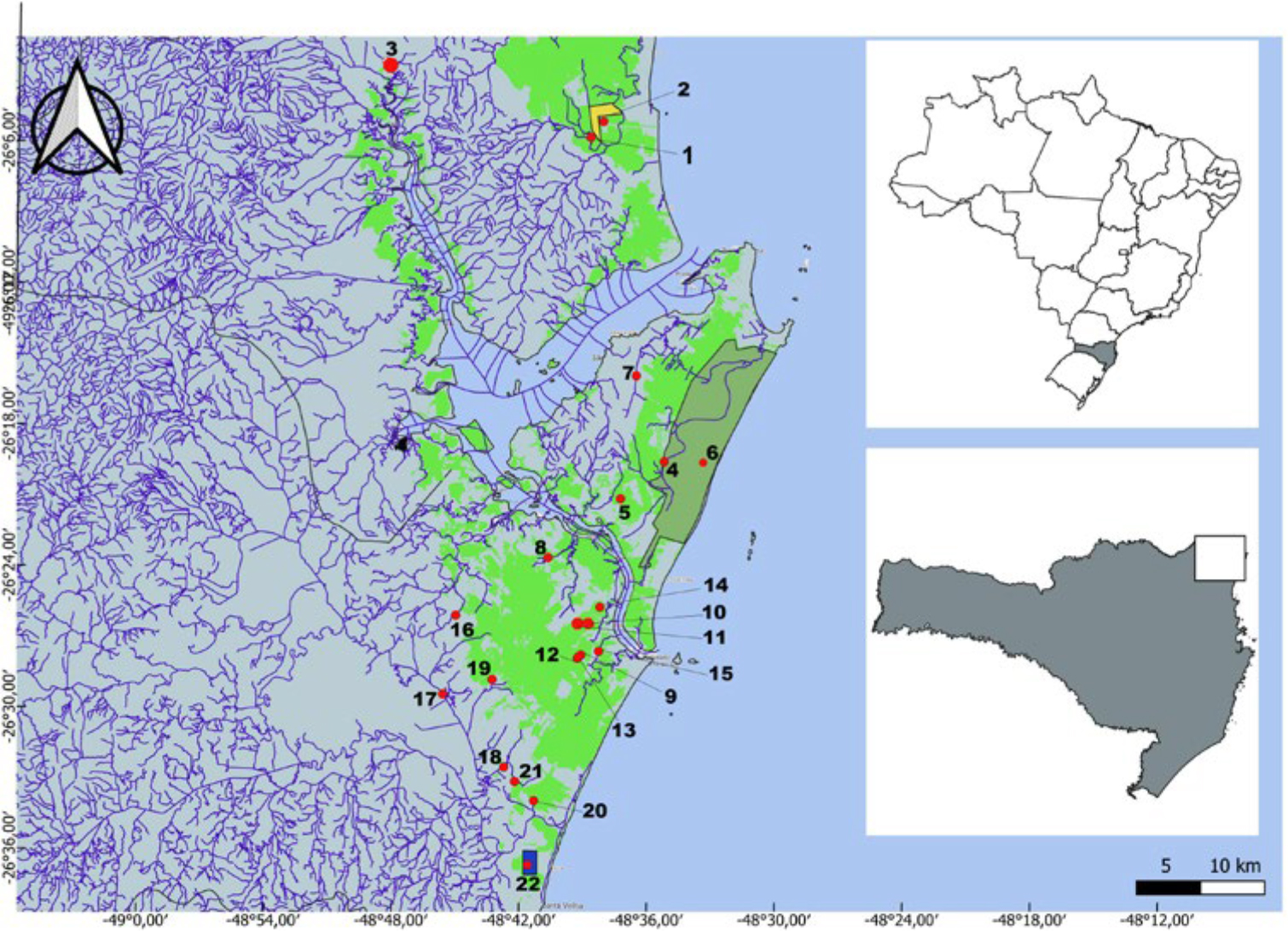
The study area encompasses blackwater streams located in the northern region of the state of Santa Catarina, between the municipalities of Itapoá and Barra Velha. This region harbors the largest remaining restinga fragment in the state (Nicoletti et al. 2024). Geographically, the area is located between latitudes 26°37’56” S and 27°05’25” S, and longitudes 48°36’41” W and 48°41’05” W (Figure 1). The local climate is classified as humid subtropical (Cfa, according to the Köppen-Geiger classification), characterized by an annual mean temperature ranging from 18°C to 25°C and well-distributed precipitation throughout the year. Summer is the warmest and wettest season, whereas winter is milder and presents a decrease in rainfall (Koehntopp et al. 2021). In this study, four Conservation Units with restinga ecosystems were identified as potential sites for the occurrence of blackwater fish species. These are: Acaraí State Park in the municipality of São Francisco do Sul, Volta Velha Private Natural Heritage Reserve in the municipality of Itapoá, Caminho do Peabiru Municipal Nature Park in the municipality of Barra Velha, and Caieira Municipal Nature Park in the municipality of Joinville.
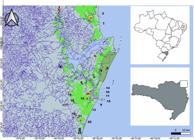
Map of the study area. Red dots indicate the sampling sites. Numbers correspond to the sampling localities listed in Table S1.Polygons represent the Conservation Units in the region, and green areas correspond to restinga remnants in northern Santa Catarina, according to Nicoletti et al. (2024). Yellow polygon: Volta Velha Private Natural Heritage Reserve; dark green: Acaraí State Park; black: Caieira Municipal Nature Park; blue: Caminho do Peabiru Municipal Nature Park.
The water bodies in the study region consist primarily of small, semi-isolated drainages that flow directly into the sea or into major regional rivers, such as the Acaraí, Itapocu, and Saí Mirim rivers. During rainy periods, these water bodies commonly overflow their main channels, often becoming interconnected and allowing for the movement of previously isolated aquatic fauna. These rainy periods are essential for the formation of temporary pools, which accumulate water at the onset of rainfall and frequently dry out completely during drier periods. These water bodies have a substrate composed of fine white sand, with organic matter frequently accumulating in low-flow areas, which were predominant among the sampled sections. Such pools represent unique habitats that host endemic species found exclusively in the northern region state of Santa Catarina (Costa 2009).
2. Taxon sampling
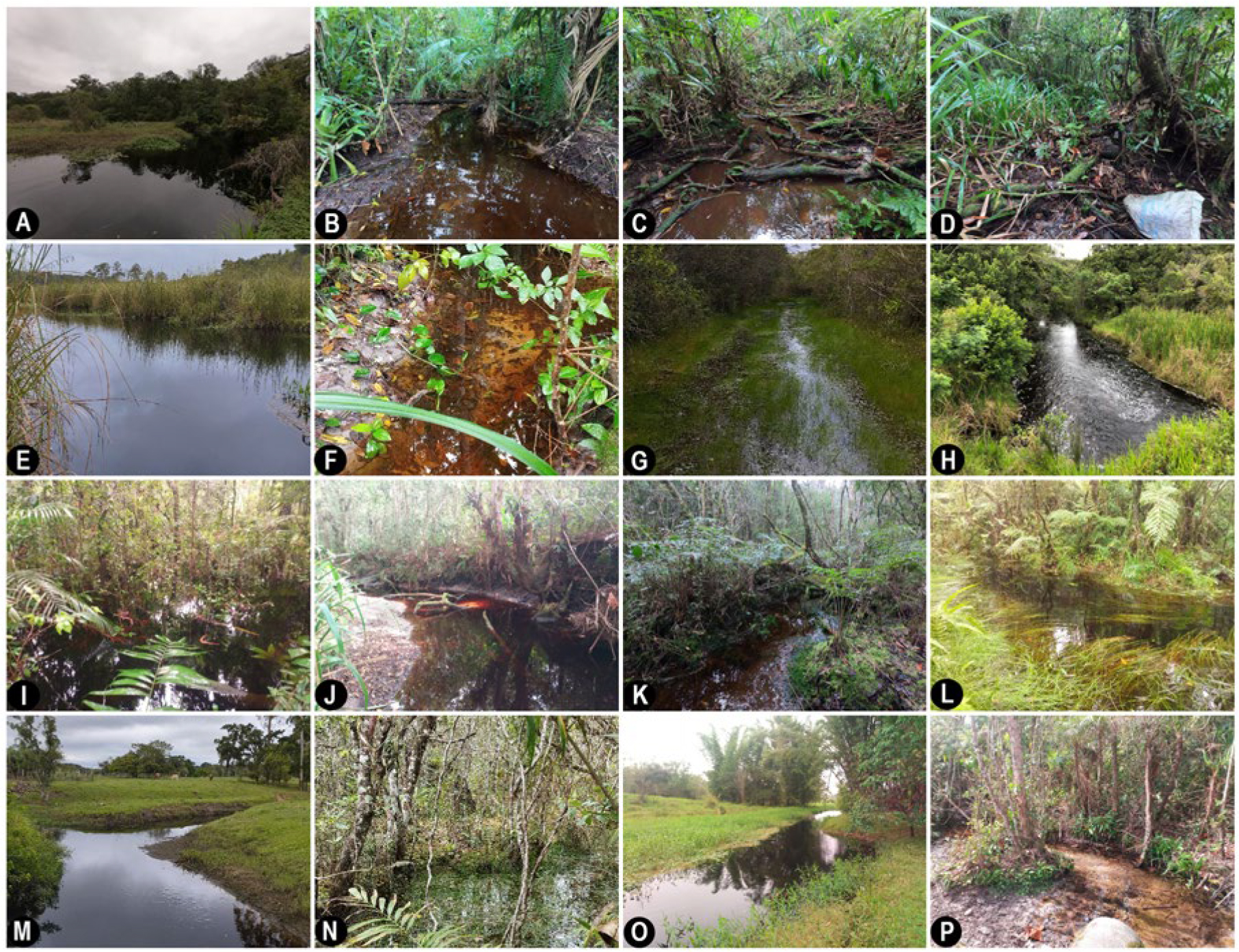
Fish collections were carried out during multiple periods between 2020 and 2024. A total of 22 sites were sampled, encompassing both perennial and intermittent streams, as well as temporary pools (Figure 2 and Table S1). Different sampling methods were employed, including dip nets, electrofishing, gill nets, and seine nets, selected according to the specific objectives of each study and the physical characteristics of the sampled water bodies. All sampling activities were conducted under the appropriate authorizations issued by the relevant regulatory agencies, under the following permits: SISBIO nº 74993, SISBIO nº 74674, SISBIO nº 57099-8, IMA/00032215/2024, FUNDEMA Barra Velha nº 304/2025.
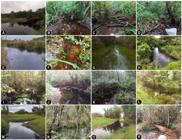
Examples of sampling sites visited during fieldwork activities. (A) Saí Mirim River, Itapoá. (B) Tributary of the Saí Mirim River. (C) Temporary pool on the margins of the Saí Mirim River during the rainy season. (D) Temporary pool on the margins of the Saí Mirim River during the dry season. (E) Acaraí River, São Francisco do Sul. (F) Tributary of the Acaraí River. (G) Temporary pool on the margins of the Acaraí River. (H) Pernambuco River, Barra do Sul. (I) Tributary of the Pernambuco River. (J) Perequê River, Barra do Sul. (K) Tributary of the Perequê River. (L) Temporary pool on the margins of the Perequê River. (M) Tributary of the Itapocu River, Araquari. (N) Temporary pool on the margins of a tributary of the Itapocu River. (O) Cardoso Stream, tributary of the Itapocu River, Araquari. (P) Tributary of the Cardoso Stream.
3. DNA extraction, amplification and sequencing
Twelve freshwater fish specimens, previously identified based on morphological characteristics, were selected for genetic identification confirmation. The COI gene (Cytochrome Oxidase I) was chosen as the genetic marker due to its widespread use in molecular species identification studies (Dawnay et al. 2007, Hubert et al. 2008, Persis et al. 2009, Kochzius et al. 2010, Kim et al. 2011, Leray et al. 2013, Xing et al. 2018, Liu et al. 2020). For genomic DNA extraction, 25 mg of muscle tissue was collected from each specimen. The procedure was performed using the DNeasy Blood and Tissue Kit (Qiagen), following the manufacturer’s instructions. After extraction, DNA quantification and quality assessment were performed by spectrophotometry using a Tecan Infinite M200 Pro device.
Amplification of the COI gene was performed using the Polymerase Chain Reaction (PCR) technique. The reaction was prepared in a final volume of 20 µL, containing the following components: 4 µL of genomic DNA, 1× buffer from PlatinumTM SuperFi II DNA Polymerase (Thermo Fisher), 0.2 mM dNTPs (Promega), 0.5 mM forward primer (5’-ACTTCYGGGTGRCCRAARAATCA-3’) and 0.5 mM reverse primer (5’-TCAACYAATCAYAAAGATATYGGCAC-3’), 2 mM magnesium chloride, and 0.25 U of PlatinumTM SuperFi II DNA Polymerase. The primers included five additional bases used as barcodes for sequencing. The final volume was adjusted with sterile ultrapure water. The PCR thermal cycling program consisted of the following steps: an initial denaturation at 94°C for two minutes, followed by 35 cycles of denaturation at 94°C for twenty seconds, annealing at 54°C for 35 seconds, and extension at 72°C for 35 seconds. The protocol was finalized with a final extension at 72°C for two minutes and 40 minutes.
To confirm amplification, PCR products were subjected to electrophoresis on a 1% agarose gel in 1× TAE buffer. Once PCR amplification was confirmed, a sequencing library was constructed. For this, the sequencing library construction kit (Ligation Sequencing Kit SQK-LSK114, Oxford Nanopore, UK) was used and the Companion Module for Oxford Nanopore Technologies Ligation Sequencing (NEBNextr) protocol was followed. This step consists of repairing the edges of amplified sequences and ligation of adapters. The library was then inserted into a Flongle Flow Cell (FLO-FLG114, Oxford Nanopore Technologies, UK) and then sequenced using MinION device (Oxford Nanopore Technologies, UK) and managed by MinKNOW v. 24.06.08 software (Oxford Nanopore Technologies, UK).
The sequencing data generated by the flow cell was processed within the MinKNOW software using the Super Accurate Basecalling mode. Only sequences with a minimum quality score of eight were accepted for further analyses. Once basecalling was completed, the data underwent a customized pipeline, clustering similar sequences together and then extracting its consensus, which was then used as the main sequence.
4. Identification and construction of the phylogenetic tree
To initially identify sequences, a BLAST search was performed against the core_nt database. This is the first record for some previously undocumented sequences; for those, prior morphometric identification was used. For phylogenetic tree construction, a dataset was assembled with COI sequences of Teleostei species phylogenetically closest to the analyzed taxa, including representatives from different orders and incorporating our sequences, with all reference sequences retrieved from NCBI and BOLD Systems V4 (Table S2). After this screening, the sequences were uploaded into Phylosuite v1.2.3 software (Zhang et al. 2020). First, sequences were aligned using MAFFT v7.505 (Katoh et al. 2013), followed by trimming to ensure uniform length. Next, ModelFinder v2.2.0 (Kalyaanamoorthy et al. 2017) was used to determine the best evolutionary model based on the Bayesian Information Criterion. Finally, the Maximum-likelihood (ML) tree was constructed with IQ-TREE v2.2.0 (Nguyen et al. 2015) and then edited in iTOL v7 platform (https://itol.embl.de/).
Results and Discussion
1. Species richness and diversity
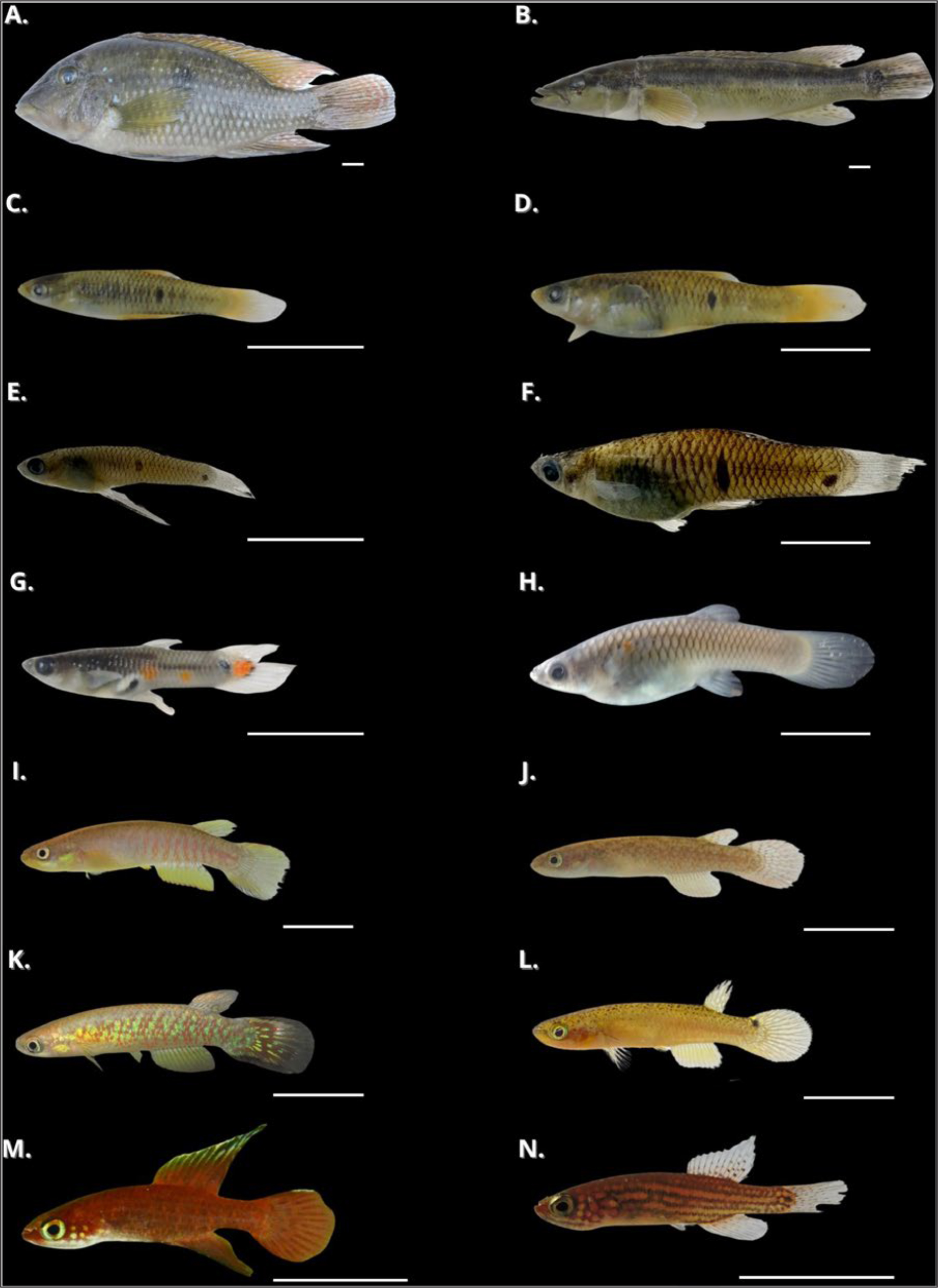
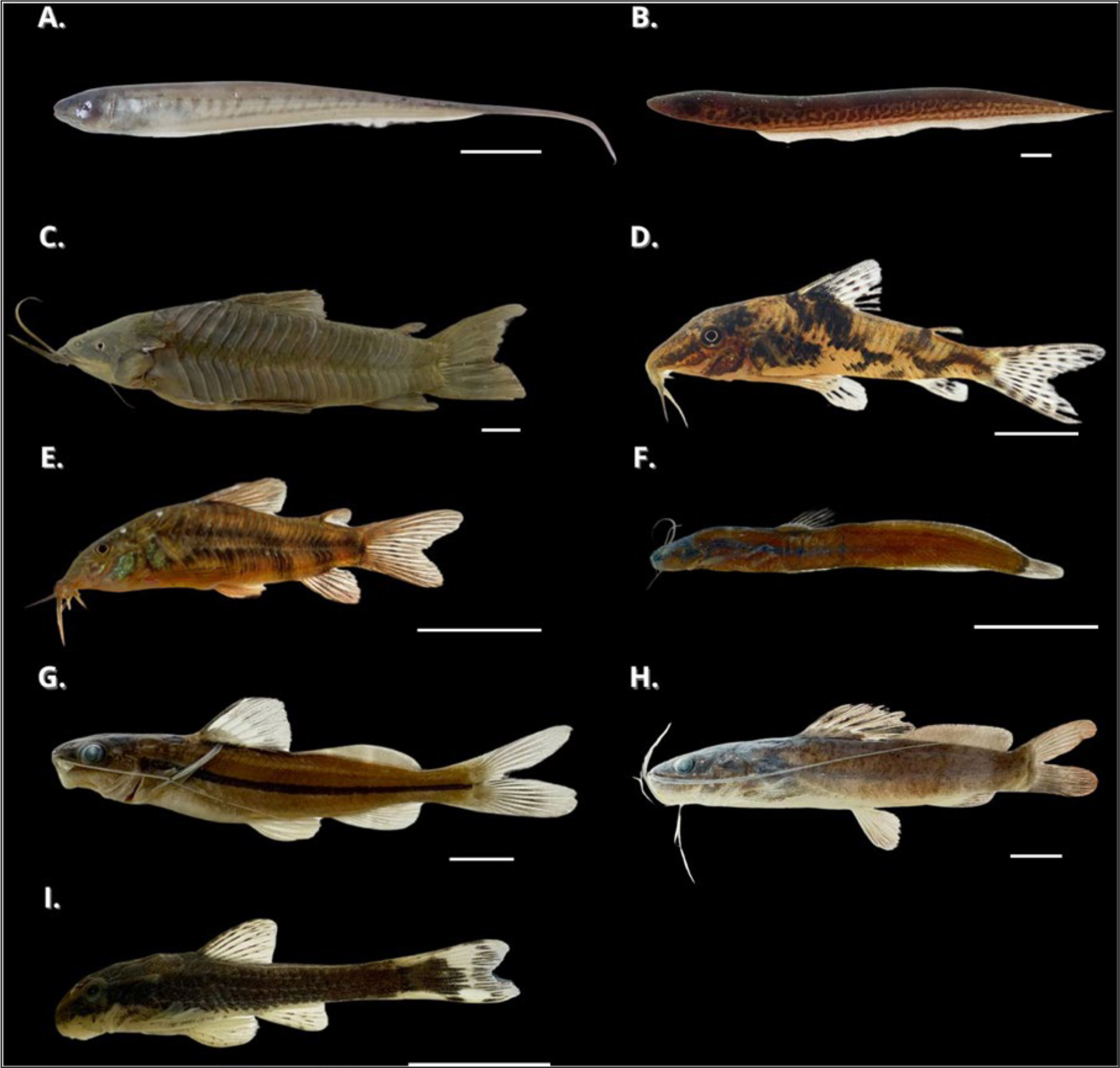
This study represents the first effort focused exclusively on the ichthyofauna of blackwater streams in the northern region of Santa Catarina. A total of 30 fish species were recorded, representing thirteen families and five orders (Figure 3, Figure 4, Figure 5). One species was identified as non-native, and nine were classified as endemic to blackwater environments, five of which are officially listed as threatened (Table 1). Notably, we recorded the presence of Brachyhypopomus cf. dracoGiora, Malabarba & Crampton 2008, representing the first record of the family Hypopomidae in this region. According to Giora et al. (2008) and Crampton et al. (2016), this species is widely distributed through lower portions of the Paraguay, Paraná, and Uruguay drainages as far north as 25°S, the Patos-Mirim lagoon system and coastal drainages of Brazil north of Lagoa dos Patos, where it typically inhabits lentic environments such as floodplain lakes, oxbow channels, and slow-moving waters. The study also provided unprecedented local molecular sequences for eight species. The occurrence of endemic and threatened species in areas lacking legal protection highlights critical gaps in current conservation strategies aimed at safeguarding these vulnerable freshwater communities.
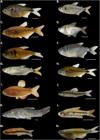
Representative species of the order Characiformes recorded in the blackwater streams of northern Santa Catarina, Brazil. (A) Astyanax lacustris. (B) Deuterodon ribeirae. (C) Hollandichthys multifasciatus. (D) Hyphessobrycon igneus. (E) Hyphessobrycon griemi. (F) Hyphessobrycon reticulatus. (G) Oligosarcus hepsetus; (H) Psalidodon laticeps. (I) Rachoviscus crassiceps. (J) Characidium lanei. (K) Hoplias malabaricus. (L) Spintherobolus ankoseion. (M) Mimagoniates lateralis. (N) Mimagoniates microlepis. The white scale bar below each photograph corresponds to 1 cm.
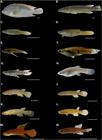
Representative species of the order Cichliformes and Cyprinodontiformes recorded in the blackwater streams of northern Santa Catarina, Brazil. (A) Geophagus iporangensis. (B) Saxatilia lepidota. (C) Phalloceros cf. circummontanus (male). (D) Phalloceros cf. circummontanus (female). (E) Phalloceros spiloura (male). (F) Phalloceros spiloura (female). (G) Poecilia reticulata (male). (H) Poecilia reticulata (female). (I) Atlantirivulus haraldsiolii (male). (J) Atlantirivulus haraldsiolii (female). (K) Atlantirivulus luelingi (male). (L) Atlantirivulus luelingi (female). (M) Campellolebias chrysolineatus (male); (N) Campellolebias chrysolineatus (female). The white scale bar below each photograph corresponds to 1 cm.
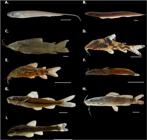
Representative species of the order Gymnotiformes and Siluriformes recorded in the blackwater streams of northern Santa Catarina, Brazil. (A) Brachyhypopomus cf. draco. (B) Gymnotus pantherinus. (C) Hoplosternum littorale. (D) Scleromystax barbatus. (E) Scleromystax macropterus. (F) Acentronichthys leptos. (G) Pimelodella pappenheimi. (H) Rhamdia quelen. (I) Pseudotothyris ignota. The white scale bar below each photograph corresponds to 1 cm.
List of fish species recorded by sampling site during fieldwork conducted between 2020 and 2024 in blackwater streams of the northern coastal plain of Santa Catarina, southern Brazil. Species marked with * are endemic to blackwater environments. The species marked with † is considered non-native to the region. Conservation status is presented at three levels: global (IUCN Red List, 2024), national (Brazilian Ordinance MMA n° 148/2022 - BR), and state (Santa Catarina Ordinance IMA n° 148/2021 - SC). Presence at each sampling site is indicated by “X”. Additional details about the sampling sites are provided in Table SI.
The Characiformes was the most representative, with fourteen species. Within this order, Acestrorhamphidae stood out, accounting for nine species (Table 1). Most of the recorded fish were small-sized, with body lengths under 15 cm, a common trait in small-scale, shallow lotic environments (Castro 1999, Castro & Polaz 2019). Exceptions included a few larger species, such as Geophagus iporangensis Haseman 1911, Gymnotus pantherinus (Steindachner 1908), Hoplias malabaricus (Bloch 1794), Oligosarcus hepsetus (Cuvier 1829) and Rhamdia quelen (Quoy & Gaimard 1824). This pattern of Characiformes dominance is consistent with what has been observed for the ichthyofauna of the Neotropical region, where Characiformes and Siluriformes generally exhibit the highest species richness, with notable representation from the Acestrorhamphidae and Loricariidae (Malabarba & Malabarba 2019, Albert et al. 2020). However, in this study, Loricariidae showed low representativity, with only one species recorded (Pseudotothyris ignota Martins, Britski & Langeani 2014). This low richness may be explained by the characteristics of the sampled environments, which offer limited availability of algae and detritus, the primary food sources for these detritivorous and algivorous fishes, as is the case for most representatives of the Loricariidae members (Abilhoa et al. 2016, Manna et al. 2020).
In contrast, representatives of the Acestrorhamphidae exhibit greater ecological flexibility. These species have more diverse diets, including piscivorous, insectivorous, and omnivorous feeding habits (Nunes & Hartz 2006, Pires et al. 2024). In the study region, insectivorous species were predominant, and their diet is primarily based on allochthonous insects that fall into the water surface from the surrounding riparian vegetation (Abilhoa et al. 2007, 2009, Gonçalves et al. 2018). This reinforces the essential ecological role of riparian vegetation in supporting the aquatic communities of small water bodies, where primary production is typically low. In addition to their dietary dependence on riparian vegetation, these species also exhibit specialized reproductive strategies, which are likewise shaped by the environmental conditions of these habitats. Species from the Acestrorhamphidae and Stevardiidae found in the study area share an important reproductive adaptation: internal insemination. This strategy provides greater flexibility under variable environmental conditions in blackwater streams, as it allows females to retain sperm until the environment becomes suitable for fertilization (Azevedo 2010, Quagio-Grassiotto et al. 2012, Moraes et al. 2021, Costa et al. 2024).
The ichthyofaunal composition recorded in this study shows a strong similarity to that described for blackwater streams along the coast of São Paulo, where the same genera and species tend to dominate (Gonçalves & Braga 2012, 2013, Ferreira et al. 2014, Costa et al. 2025). This similarity suggests historical biogeographic connections between these areas. Several studies indicate that the high levels of endemism and diversification of the ichthyofauna in the Brazilian coastal plain are closely associated with climatic and marine cycles that occurred during the Quaternary period (Camelier et al. 2018, Angrizani & Malabarba, 2020, Baroni et al. 2021, Souto-Santos et al. 2022). The sea level regressions and transgressions that occurred during this period may have alternately connected and isolated fish populations along the coast (Thomaz & Knowles 2018). During marine regressions, extensive areas of the coastal plain emerged, allowing dispersal through paleodrainages. In contrast, marine transgressions led to sea-level rise, creating vicariant barriers that fragmented aquatic systems (Miller et al. 2011, Dias et al. 2014). The most recent of these connections occurred between 26 and 19 thousand years ago, during the Last Glacial Maximum, when sea levels dropped approximately 125 meters below the present level. This event enabled temporary connections between several currently isolated river basins, expanding the ancestral distribution of various freshwater fish species from the coastal plain (Thomaz et al. 2015).
Among the most widely distributed species in the study area are Atlantirivulus luelingi (Seegers 1984), Hyphessobrycon reticulatus Ellis 1911, Mimagoniates lateralis (Nichols 1913), Rachoviscus crassiceps Myers 1926, and Scleromystax macropterus (Regan 1913). These species exhibit typical adaptations to blackwater environments, including tolerance to low flow velocity, high electrical conductivity, low turbidity, acidic conditions, and seasonal variations in water level (Gonçalves & Braga 2012, Ferreira et al. 2014). It is worth noting that among these species, only A. luelingi has an extremely restricted distribution, occurring exclusively in lowland streams in the northern region of Santa Catarina (Costa 2014). The other species have a broader distribution, ranging from the southern part of São Paulo state to northern Santa Catarina (Abilhoa et al. 2011), which reinforces their importance as indicator species of coastal Atlantic Forest blackwater ecosystems.
2. DNA barcoding
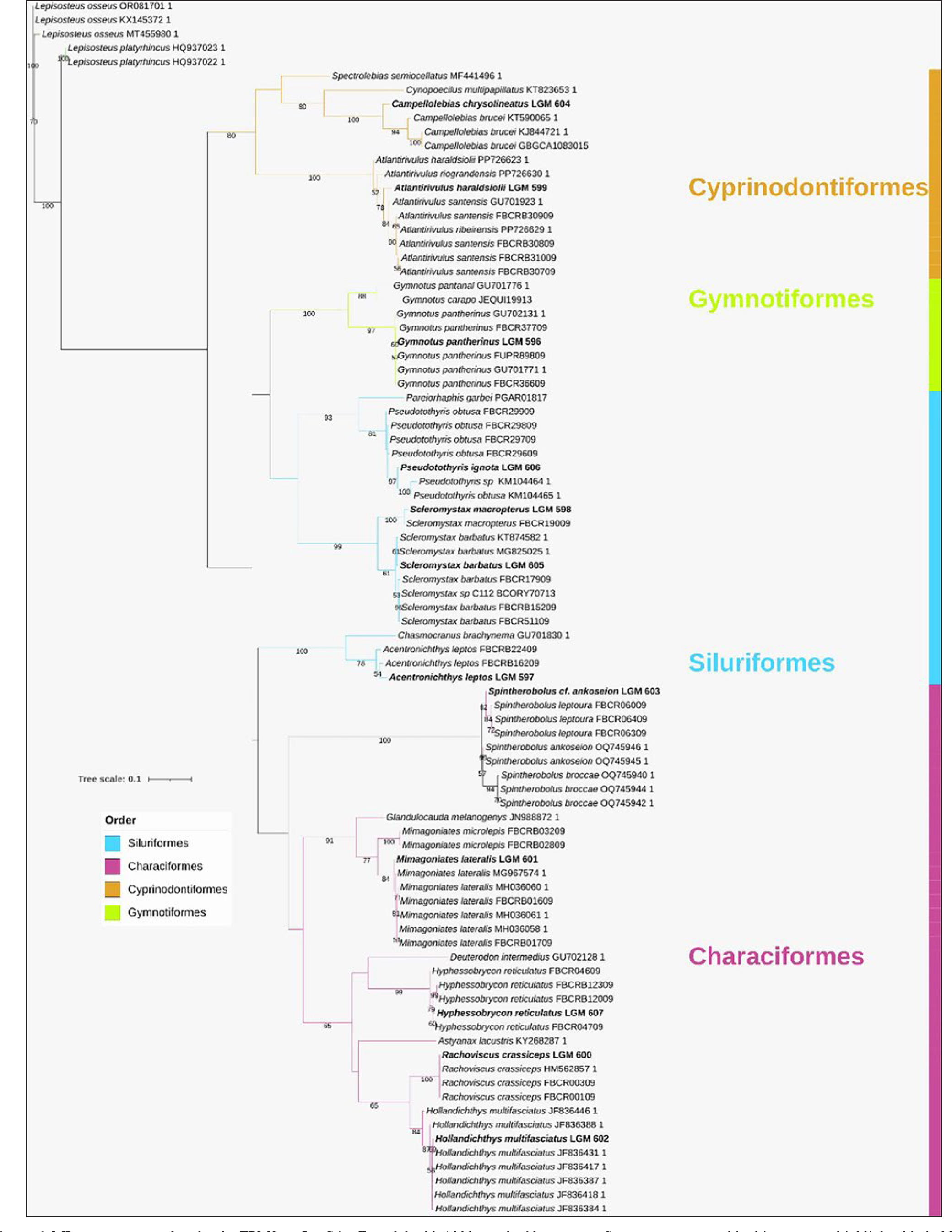
All sequences had more than 200 reads, meaning that each base was read that many times, which indicates high reliability (Li et al. 2018). However, due to a lack of sequences from closely related species or even conspecific specimens in the NCBI and BOLD databases, not all samples could be molecularly identified. This was the case for Atlantirivulus haraldsiolii (Berkenkamp 1984), P. ignota, and Campellolebias chrysolineatus Costa, Lacerda & Brasil 1989, which were instead identified morphologically. Despite the high ecological relevance of these fish, the lack of previously available existent data was a limiting factor. Thus, we emphasize the importance of morphometric analyses conducted by experienced professionals, as they can help resolve potential issues in molecular identification.
We provided the first COI sequence for C. chrysolineatus and P. ignota, in addition to first registered sequences in the state of Santa Catarina for G. pantherinus, Acentronichthys leptos Eigenmann & Eigenmann 1889, A. haraldsiolii and H. reticulatus. By doing so, we have expanded the available data on these fish and contributed to future phylogenetic works and molecular identification.
The observed topologies largely corroborate groupings previously reported in the literature (Roxo et al. 2014, Loureiro et al. 2018, Baroni et al. 2021, Dias et al. 2024, Melo et al. 2024) (Figure 6). However, the Spintherobolus ankoseion Weitzman & Malabarba 1999 sequence obtained in this study was positioned closer to Spintherobolus leptoura Weitzman & Malabarba 1999, a result that contrasts with the source sequences used from NCBI and BOLD, which derived from geographically proximal individuals (Table S2). Since our phylogeny included only one sequence for S. ankoseion, no definitive conclusions can be drawn regarding intrageneric relationships within Spintherobolus. Interestingly, Mattox et al. (2023) also found these two species to be closely related, suggesting a potential pattern that warrants further investigation.
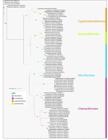
ML tree constructed under the TPM2u + I + G4 + F model with 1000 standard bootstraps. Sequences generated in this paper are highlighted in bold.
3. Conservation aspects
One non-native species was recorded in the blackwater streams of the region: the guppy (Poecilia reticulata Peters 1859), documented here for the first time in northern Santa Catarina. Native to Central America and the coastal rivers of Venezuela, P. reticulata has been widely reported in various regions of Brazil (Reis 2003, Bragança et al. 2020), including urban drainages within the study area (Pinheiro et al. 2017). Its success in colonizing new environments is attributed to a combination of ecological traits, including dietary flexibility, viviparity, and high tolerance to environmental fluctuations, which support its persistence in degraded habitats (Cunico et al. 2006, Mise et al. 2015). As a result, P. reticulata is frequently associated with disturbed environments (Reznick et al. 2012). The species has been widely introduced in Brazil for mosquito larvae control and through accidental releases from aquarists (Stockwell & Henkanaththegedara 2011, Magalhães & Jacobi 2013).
Among the nine species considered endemic to blackwater streams, five are officially listed as threatened (Table 1). These species show a high dependency on well-preserved native forest surrounding the water bodies where they occur. Riparian vegetation plays a key ecological role by providing food resources, such as plant matter and allochthonous invertebrates (Gonçalves et al. 2016), as well as offering shading and thermal regulation, which help stabilize water temperature (Ebling & Padial 2024). The root systems of riparian vegetation play a fundamental role in maintaining the structural integrity of aquatic ecosystems by preventing sedimentation, stabilizing streambanks, and preserving water quality and microhabitats (Lobón‐Cerviá et al. 2016). Additionally, the decomposition of plant organic matter influences key physicochemical properties of blackwater environments, such as low nutrient concentrations and acidic pH conditions that are crucial for the survival of many endemic species (Menezes et al. 2007). Beyond these localized effects, the continuity of riparian vegetation across the landscape facilitates ecological connectivity. During rainy periods, this vegetation acts as a natural corridor, promoting dispersal between otherwise isolated water bodies and enabling gene flow among small and fragmented populations (Perez et al. 2020). Given these multiple ecological functions, the degradation or removal of riparian vegetation poses a critical threat to the specialized ichthyofauna of blackwater systems, as it disrupts both the physical habitat and the ecological processes upon which these species rely (Abilhoa et al. 2011).
During the survey, four protected areas were sampled. Only in the Municipal Nature Park of Caieira were no freshwater fish recorded. In contrast, all endemic and threatened species were recorded in the other conservation units: Volta Velha Private Natural Heritage Reserve (sites 1 and 2), Acaraí State Park (sites 4 and 5), and Caminho do Peabiru Municipal Nature Park (site 22). This suggests that these protected areas play an important role in the conservation of the local ichthyofauna.
Temporary pools and intermittent rivers also deserve special attention, as they were the only environments where exclusively endemic blackwater stream species were recorded. Among them, the rivulid C. chrysolineatus stands out due to its extremely restricted distribution. This small fish belongs to the group known as killifish, whose species exhibit unique life-history strategies adapted to ephemeral habitats (Loureiro et al. 2018, Volcan et al. 2025). The main adaptation of these species is the production of eggs that enter diapause, remaining viable in the dry substrate during the dry season and hatching with the return of the rains (Arenzon et al. 1999, Volcan et al. 2011). Historically, C. chrysolineatus likely had a broader distribution across the coastal plain of northern Santa Catarina, but its current records are restricted to areas of dense forest in the municipality of Araquari (Costa 1995,2009). In this study, new populations were found in the municipalities of Barra do Sul, Barra Velha and São Francisco do Sul. In Barra Velha, the species was recorded in a temporary pool within Caminho do Peabiru Municipal Nature Park, whereas in São Francisco do Sul it was found in two temporary pools located at the edge and within Acaraí State Park. These records represent the first occurrences of C. chrysolineatus within protected areas.
In the municipalities of Araquari and Barra do Sul lies one of the largest restinga fragments in the region, featuring a complex network of blackwater streams. In this area, 24 species were recorded, including both endemic and threatened ones. However, the fragment is under intense anthropogenic pressure, with native vegetation being replaced by residential and industrial developments, sand extraction, and Pinus plantations. Given this scenario, the establishment of protected areas in these municipalities is urgently needed, as there are currently no legally protected areas within their territorial boundaries.
The entire study area is highly fragmented, with restinga remnants surrounded by urban zones and industrial infrastructure (Nicoletti et al. 2024). This pattern of fragmentation reduces population connectivity, impairs gene flow, and increases the risk of local extinctions (Bellard et al. 2012, Herrera‐R et al. 2020). The resulting decrease in genetic variability, in turn, compromises the ability of populations to adapt to environmental changes (Leigh et al. 2019). In addition, climate change introduces a new layer of threat to coastal freshwater environments. Sea level rise and the salinization of these ecosystems may render them unsuitable, directly impacting species that depend on riparian vegetation and specific physicochemical conditions (Esser et al. 2019, Inague et al. 2021). Rising air temperatures also compromise aquatic environments, especially temporary habitats that are affected by increased evaporation and shortened inundation periods. Such changes may intensify population isolation and further reduce the already limited distribution of these species (Comte et al. 2013, Manjarrés et al. 2021).
In light of our results, understanding the impacts of fragmentation and climate change on endemic ichthyofauna, with a focus on population dynamics, genetic structure, and dispersal mechanisms are necessary. Such data will be essential to support effective conservation and management strategies for these fragile environments.
Supplementary Material
The following online material is available for this article:
Table S1 – Geographic location and habitat characteristics of the 22 sampling sites surveyed in the northern portion of the coastal plain of Santa Catarina, southern Brazil. For each site, the table presents the locality, hydrographic basin, drainage system, water body name (if available), and the type of aquatic habitat sampled. Latitude and longitude are also included. Sites labeled as ‘Unnamed’ refer to perennial streams with no known official or local name.
Table S2 – All COI sequences used for the construction of the phylogenetic tree, along with their corresponding codes and source databases. Species marked with * were obtained in the present study.
Acknowledgments
We thank all institutions, colleagues, and field assistants who contributed to data collection and logistical support throughout the project. We are particularly grateful to the management teams and municipal secretaries of the Acaraí State Park, Caminho do Peabiru Municipal Nature Park, and Caieira Municipal Nature Park for granting collection permits. Special thanks to Bruno Pesserl for accompanying the field activities at Acaraí State Park and to Mr. Lúcio Machado, responsible for the Volta Velha Private Natural Heritage Reserve, for his support and collaboration. We also thank Rodrigo Fortunato for assistance with the map, Clara Polli for help with the figures, and Adriano Hauer, Jucelino Dalcin, and Luis Daniel Dalcin for their support during fieldwork. The identification of Brachyhypopomus cf. draco was kindly confirmed by L.R. Malabarba, to whom we extend our sincere thanks.
This study was supported by the Fundação de Amparo à Pesquisa e Inovação do Estado de Santa Catarina (FAPESC) through a postdoctoral Edital 20/2024 to RHD, and by CAPES through a PhD scholarship awarded to LEDG. We further acknowledge the valuable contributions of the laboratory teams involved in the molecular procedures, especially Gabriela for her dedicated support during DNA extractions and PCR protocols.
Data Availability
The sequences obtained in the present study have been deposited in GenBank (https://www.ncbi.nlm.nih.gov/genbank/) and can be accessed under Accession numbers PV890990–PV891001. The specimens collected during this study were deposited in the Capão da Imbuia Natural History Museum (MHNCI) under voucher numbers MHNCI 13083 to MHNCI 13124. The specimen of Brachyhypopomus cf. draco was deposited in the fish collection of the Federal University of Rio Grande do Sul (UFRGS), under voucher number UFRGS 30199.
References
- ABILHOA, V., BASTOS, L.P. & WEGBECHER, F. 2007. Feeding habits of Rachoviscus crassiceps (Teleostei: Characidae) in a coastal Atlantic rainforest stream, southern Brazil. Ichthyological Exploration of Freshwaters, 18(3):227–232.
-
ABILHOA, V., BORNATOWSKI, H. & OTTO, G. 2009. Temporal and ontogenetic variations in feeding habits of Hollandichthys multifasciatus (Teleostei: Characidae) in coastal Atlantic rainforest streams, southern Brazil. Neotropical Ichthyology. 7(3):415–420. https://doi.org/10.1590/S1679-62252009005000001.
» https://doi.org/10.1590/S1679-62252009005000001 - ABILHOA, V., BRAGA, R.R., BORNATOWSKI, H. & VITULE, J.R.S. 2011. Fishes of the Atlantic Rain Forest streams: ecological patterns and conservation. In Changing Diversity in Changing Environment (O. Grillo & G. Venora, eds), IntechOpen, p. 259–282.
-
ABILHOA, V., VALDUGA, M.O., FREHSE, F.A. & VITULE, J.R.S. 2016. Use of food resources and resource partitioning among five syntopic species of Hypostomus (Teleostei: Loricariidae) in an Atlantic Forest river in southern Brazil. Zoologia. 33(06):e20160062. https://doi.org/10.1590/S1984-4689zool-20160062.
» https://doi.org/10.1590/S1984-4689zool-20160062 -
ABRAHÃO, V.P., GARCÍA, A.C., SHIBATTA, L.S. & SHIBATTA, O.A. 2015. Rapid survey of ichthyofauna from rivers and streams of coastal hydrographic regions of Santa Catarina state, Brazil. Check List. 11(5):1–13. https://doi.org/10.15560/11.5.1781.
» https://doi.org/10.15560/11.5.1781 -
ALBERT, J.S., TAGLIACOLLO, V.A. & DAGOSTA, F. 2020. Diversification of Neotropical Freshwater Fishes. Annual Review of Ecology, Evolution, and Systematics. 51:27–53. https://doi.org/10.1146/ANNUREV-ECOLSYS-011620-031032.
» https://doi.org/10.1146/ANNUREV-ECOLSYS-011620-031032 -
ANGRIZANI, R.C. & MALABARBA, L.R. 2020. Genetic diversity and species delimitation in Rhamdia (Siluriformes: Heptapteridae) in South America, with a redescription of R. quelen (Quoy & Gaimard, 1824). Zootaxa. 4801(1):85–114. https://doi.org/10.11646/zootaxa.4801.1.3.
» https://doi.org/10.11646/zootaxa.4801.1.3 -
ARENZON, A., PERET, A.C. & BOHRER, M.B.C. 1999. Reproduction of the annual fish Cynopoecilus melanotaenia (Regan, 1912) in a temporary water body in Rio Grande do Sul, Brazil (Cyprinodontiformes, Rivulidae). Hydrobiologia. 411:65–70. https://doi.org/10.1023/A:1003868711295.
» https://doi.org/10.1023/A:1003868711295 -
AZEVEDO, M.A. 2010. Reproductive characteristics of characid fish species (Teleostei, Characiformes) and their relationship with body size and phylogeny. Iheringia. Série Zoologia. 100(4):469–482. https://doi.org/10.1590/S0073-47212010000400020.
» https://doi.org/10.1590/S0073-47212010000400020 - BARCELOS, M.E.F., RIGUETE, J.R., SILVA, L.T.P. & FERREIRA, P.D. 2012. Uma visão panorâmica sobre os solos das restingas e seu papel na definição de comunidades vegetais nas planícies costeiras do sudeste do Brasil. Natureza Online. 10(2):71–76.
-
BARONI, S., DAMASCENO, R.P. & TOLEDO, L.F.A. 2021. Paraphyly and evolutionary independent lineages in Gymnotus pantherinus (Gymnotiformes: Gymnotidae) in the Brazilian Atlantic Forest Coastal Streams. Molecular Phylogenetics and Evolution. 161:e107159. https://doi.org/10.1016/j.ympev.2021.107159.
» https://doi.org/10.1016/j.ympev.2021.107159 -
BELLARD, C., BERTELSMEIER, C., LEADLEY, P., THUILLER, W. & COURCHAMP, F. 2012. Impacts of climate change on the future of biodiversity. Ecology Letters. 15(4):365–377. https://doi.org/10.1111/j.1461-0248.2011.01736.x.
» https://doi.org/10.1111/j.1461-0248.2011.01736.x -
BERTACO, V.A. 2009. Freshwater Fishes, Ilha de Santa Catarina, southern coastal drainage of the state of Santa Catarina, Brazil. Check List. 5(4): 898–902. https://doi.org/10.15560/5.4.898.
» https://doi.org/10.15560/5.4.898 -
BRAGANÇA, P.H.N., GUIMARAES, E.C., BRITO, P.S. & OTTONI, F.P. 2020. On the natural occurrence of Poecilia reticulata Peters, 1859 (Cyprinodontiformes: Poeciliidae). Cybium. 44(4):309–316. https://doi.org/10.26028/cybium/2020-444-002.
» https://doi.org/10.26028/cybium/2020-444-002 -
CAMELIER, P., MENEZES, N.A., COSTA-SILVA, G.J. & OLIVEIRA, C. 2018. Molecular and morphological data of the freshwater fish Glandulocauda melanopleura (Characiformes: Characidae) provide evidences of river captures and local differentiation in the Brazilian Atlantic Forest. PLoS One. 13(3):e0194247. https://doi.org/10.1371/journal.pone.0194247.
» https://doi.org/10.1371/journal.pone.0194247 - CASTRO, R.M.C. 1999. Evolution of South American stream fish fauna: broad patterns and possible causal processes. Oecologia Brasiliensis. 6:139–155.
-
CASTRO, R.M.C. & POLAZ, C.N.M. 2020. Small-sized fish: the largest and most threatened portion of the megadiverse neotropical freshwater fish fauna. Biota Neotropica, 20(1):e20180683. https://doi.org/10.1590/1676-0611-BN-2018-0683 (last access on 09/06/2025).
» https://doi.org/10.1590/1676-0611-BN-2018-0683 -
COMTE, L., BUISSON, L., DAUFRESNE, M. & GRENOUILLET, G. 2013. Climate‐induced changes in the distribution of freshwater fish: observed and predicted trends. Freshwater Biology. 58(4):625–639. https://doi.org/10.1111/fwb.12081.
» https://doi.org/10.1111/fwb.12081 - COSTA, J.H.A., DUARTE, R.M., VIDAL, T.A., SOUZA, U.P. & LANGEANI, F. 2024. Rachoviscus crassiceps Myers, 1926. Boletim da Sociedade Brasileira de Ictiologia. 144:51–55.
-
COSTA. J.H.A., SELINGER, A., LANGEANI, F., SOUZA, U.P., DUARTE, R.M. 2025. Life on the road: fish communities composition in roadside ditches of the Atlantic Forest. Neotrop Ichthyol, 23(4):e250117. https://doi.org/10.1590/1982-0224-2025-0117.
» https://doi.org/10.1590/1982-0224-2025-0117 - COSTA, W.J.E.M. 1995. Revision of the Neotropical annual fish genus Campellolebias (Cyprinodontiformes: Rivulidae), with notes on phylogeny and biogeography of the Cynopoecilina. Cybium. 19(4):349–369.
- COSTA, W.J.E.M. 2009. Peixes aploqueilóideos da Mata Atlântica brasileira: história, diversidade e conservação= Aplocheiloid fishes of the Brazilian Atlantic Forest: history, diversity and conservation. Museu Nacional, Rio de Janeiro.
- COSTA, W.J.E.M. 2014. Four new species of the genus Atlantirivulus (Cyprinodontiformes: Rivulidae) from the Brazilian Atlantic Forest. Vertebrate Zoology. 64(1):9–21.
-
CRAMPTON, W.G.R., SANTANA, C.D. de, WADDELL, J.C., LOVEJOY, N.R. 2016. A taxonomic revision of the Neotropical electric fish genus Brachyhypopomus (Ostariophysi: Gymnotiformes: Hypopomidae), with descriptions of 15 new species. Neotropical Ichthyology. 4(4):e150146. https://doi.org/10.1590/1982-0224-20150146.
» https://doi.org/10.1590/1982-0224-20150146 -
CUNICO, A.M., AGOSTINHO, A.A. & LATINI, J.D. 2006. Influência da urbanização sobre as assembléias de peixes em três córregos de Maringá, Paraná. Revista Brasileira de Zoologia. 23(4):1101–1110. https://doi.org/10.1590/S0101-81752006000400018.
» https://doi.org/10.1590/S0101-81752006000400018 -
DAWNAY, N., OGDEN, R., MCEWING, R., CARVALHO, G.R. & THORPE, R.S. 2007. Validation of the barcoding gene COI for use in forensic genetic species identification. Forensic Science International. 173(1):1–6. https://doi.org/10.1016/j.forsciint.2006.09.013.
» https://doi.org/10.1016/j.forsciint.2006.09.013 -
DIAS, A.C., TENCATT, L.F., ROXO, F.F., SILVA, G.D.S.D.C., SANTOS, S. A., BRITTO, M.R., TAYLOR, M.I. & OLIVEIRA, C. 2024. Phylogenomic analyses in the complex Neotropical subfamily Corydoradinae (Siluriformes: Callichthyidae) with a new classification based on morphological and molecular data. Zoological Journal of the Linnean Society. 203(3) zlae053. https://doi.org/10.1093/zoolinnean/zlae053.
» https://doi.org/10.1093/zoolinnean/zlae053 -
DIAS, M.S., OBERDORFF, T., HUGUENY, B., LEPRIEUR, F., JÉZÉQUEL, C., CORNU, J.F., BROSSE, S., GRENOUILLET, G. & TEDESCO, P.A. 2014. Global imprint of historical connectivity on freshwater fish biodiversity. Ecology Letters. 17(9):1130–1140. https://doi.org/10.1111/ELE.12319.
» https://doi.org/10.1111/ELE.12319 -
EBLING, L.A. & PADIAL, A.A. 2024. The connections between riparian vegetation and water quality in the atlantic forest. Oecologia Australis. 28(4):256–264. http://doi.org/10.4257/oeco.2024.2804.03.
» https://doi.org/10.4257/oeco.2024.2804.03 -
ESSER, L.F., NEVES, D.M. & JARENKOW, J.A. 2019. Habitat‐specific impacts of climate change in the Mata Atlântica biodiversity hotspot. Diversity and Distributions. 25(12):1846–1856. https://doi.org/10.1111/ddi.12984.
» https://doi.org/10.1111/ddi.12984 -
ESTEVES, K.E. & LOBÓN-CERVIÁ, J. 2001. Composition and trophic structure of a fish community of a clear water Atlantic rainforest stream in southeastern Brazil. Environmental Biology of Fishes. 62: 429–440. https://doi.org/10.1023/A:1012249313341.
» https://doi.org/10.1023/A:1012249313341 -
FABRICANTE, J.R., CRUZ, A.B.S., DOS REIS, F.M. & ALMEIDA, T.S. 2021. Invasão biológica em sítios de restinga no nordeste brasileiro. Research, Society and Development: 10(6):e48410615942–e48410615942. https://doi.org/10.33448/rsd-v10i6.15942.
» https://doi.org/10.33448/rsd-v10i6.15942 -
FERREIRA, F.C., SILVA, A.T., GONÇALVES, C.S. & PETRERE, M. 2014. Disentangling the influences of habitat structure and limnological predictors on stream fish communities of a coastal basin, southeastern Brazil. Neotropical Ichthyology. 12(1):177–186. https://doi.org/10.1590/S1679-62252014000100019.
» https://doi.org/10.1590/S1679-62252014000100019 -
GIORA, J., MALABARBA, L.R. & W.G.R. CRAMPTON. 2008. Brachyhypopomus draco, a new sexually dimorphic species of Neotropical electric fish from southern South America (Gymnotiformes: Hypopomidae). Neotropical Ichthyology. 6: 159–168. https://doi.org/10.1590/S1679-62252008000200002.
» https://doi.org/10.1590/S1679-62252008000200002 -
GONÇALVES, C.S. & BRAGA, F.M.S. 2012. Changes in ichthyofauna composition along a gradient from clearwaters to blackwaters in coastal streams of Atlantic forest (southeastern Brazil) in relation to environmental variables. Neotropical Ichthyology. 10(3):675–684. https://doi.org/10.1590/S1679-62252012000300022.
» https://doi.org/10.1590/S1679-62252012000300022 -
GONÇALVES, C.S. & BRAGA, F.M.S. 2013. Checklist of freshwater ichthyofauna from coastal streams of Juréia-Itatins reserve, southeastern Brazil. Check List. 9(2):175–185. https://doi.org/10.15560/9.2.175.
» https://doi.org/10.15560/9.2.175 - GONÇALVES, C.S., FERREIRA, F.C. & SILVA, A.T. 2016. Scleromystax macropterus e Mimagoniates lateralis: dois peixes de riachos de restinga ameaçados de extinção devido a perda de hábitat. Boletim SBI. 16: 12–15.
-
GONÇALVES, C.S., BRAGA, F.M.S. & CASATTI, L. 2018. Trophic structure of coastal freshwater stream fishes from an Atlantic rainforest: evidence of the importance of protected and forest-covered areas to fish diet. Environmental Biology of Fishes. 101: 933–948. https://doi.org/10.1007/s10641-018-0749-8.
» https://doi.org/10.1007/s10641-018-0749-8 -
HEBERT, P.D.N., RATNASINGHAM, S. & DE WAARD, J.R. 2003.Barcoding animal life: cytochrome. 2003. Proc. R. Soc. Lond. B.270:96–99. https://doi.org/10.1098/rsbl.2003.0025.
» https://doi.org/10.1098/rsbl.2003.0025 -
HENRIQUES, J.M., SILVA, G.J.C., ASHIKAGA, F.Y., HANNER, R., FORESTI, F. & OLIVEIRA, C. 2015. Use of DNA barcode in the identification of fish species from Ribeira de Iguape Basin and coastal rivers from São Paulo State (Brazil). DNA Barcodes. 3(1),:118–128. https://doi.org/10.1515/dna-2015-0015.
» https://doi.org/10.1515/dna-2015-0015 -
HERRERA‐R, G.A., OBERDORFF, T., ANDERSON, E.P., BROSSE, S., CARVAJAL‐VALLEJOS, F. M., FREDERICO, R.G., HIDALGO, M., JÉZÉQUEL, C., MALDONADO, M. & MALDONADO‐OCAMPO, J.A. 2020. The combined effects of climate change and river fragmentation on the distribution of Andean Amazon fishes. Global Change Biology. 26(10):5509–5523. https://doi.org/10.1111/gcb.15285.
» https://doi.org/10.1111/gcb.15285 - HOLZER, W., CRICHYNO, J. & PIRES, A.C. 2004. Sustentabilidade da urbanização em áreas de restinga: uma proposta de avaliação pós-ocupação. Paisagem e Ambiente 19: 49–65.
-
HUBERT, N., HANNER, R., HOLM, E., MANDRAK, N.E., TAYLOR, E., BURRIDGE M., WATKINSON, D., DUMONT, P., CURRY, A., BENTZEN P., ZHANG, J., APRIL, J. & BERNATCHEZ, L. 2008. Identifying Canadian Freshwater Fishes through DNA Barcodes. PLoS ONE. 3(6):e2490. https://doi.org/10.1371/journal.pone.0002490.
» https://doi.org/10.1371/journal.pone.0002490 -
INAGUE, G.M., ZWIENER, V.P. & MARQUES, M.C.M. 2021. Climate change threatens the woody plant taxonomic and functional diversities of the Restinga vegetation in Brazil. Perspectives in Ecology and Conservation. 19(1):53–60. https://doi.org/10.1016/j.pecon.2020.12.006.
» https://doi.org/10.1016/j.pecon.2020.12.006 -
KALYAANAMOORTHY, S., MINH, B.Q., WONG, T.K.F., HAESELER, A.V. & JERMIIN, L.S. 2017. ModelFinder: fast model selection for accurate phylogenetic estimates. Nature Methods. 14(6):587–589. https://doi.org/10.1038/nmeth.4285.
» https://doi.org/10.1038/nmeth.4285 -
KATOH, K. & STANDLEY, D.M. 2013. MAFFT multiple sequence alignment software version 7: improvements in performance and usability. Molecular Biology and Evolution. 30(4):772–780. https://doi.org/10.1093/MOLBEV/MST010.
» https://doi.org/10.1093/MOLBEV/MST010 -
KIM, S., KOO, H., KIM, J.H., JUNG, J.W., HWANG, S.Y. & KIM, W. 2011. DNA chip for species identification of Korean freshwater fish: A case study. BioChip J. 5(1):72–77. https://doi.org/10.1007/s13206-011-5111-6.
» https://doi.org/10.1007/s13206-011-5111-6 -
KOCHZIUS, M., SEIDEL, C., ANTONIOU, A., BOTLA, S.K., CAMPO, D., CARIANI, A., GARCIA VAZQUEZ, E., HAUSCHILD, J., HERVET, C., HJÖRLEIFSDOTTIR, S., HREGGVIDSSON, G., KAPPEL, K., LANDI, M., MAGOULAS, A., MARTEINSSON, V., NÖLTE, M., PLANES, S., TINTI, F., TURAN, C., VENUGOPAL, M.N., WEBER, H. & BLOHM, D. 2010. Identifying Fishes through DNA Barcodes and Microarrays. PLoS ONE. 5(9):e12620. https://doi.org/10.1371/journal.pone.0012620.
» https://doi.org/10.1371/journal.pone.0012620 -
KOEHNTOPP, P.I., DE MELLO, Y.R., MAGNA, D.J., SIMM, M., BALDO, W. & VIEIRA, C.V. 2021. Caracterização climatológica na Baía Babitonga-parâmetros climáticos e meteorológicos-pluviosidade, temperatura e ventos. Revista CEPSUL-Biodiversidade e Conservação Marinha, 10: eb2021002. https://doi.org/10.37002/revistacepsul.vol10.683eb2021002.
» https://doi.org/10.37002/revistacepsul.vol10.683eb2021002 -
LEIGH, D.M., HENDRY, A.P., VÁZQUEZ‐DOMÍNGUEZ, E. & FRIESEN, V. L. 2019. Estimated six per cent loss of genetic variation in wild populations since the industrial revolution. Evolutionary Applications. 12(8):1505–1512. https://doi.org/10.1111/eva.12810.
» https://doi.org/10.1111/eva.12810 -
LERAY, M., YANG, J.Y., MEYER, C.P., MILLS, S.C., AGUDELO, N., RANWEZ, V., BOEHM, J.T. & MACHIDA, R.J. 2013. A new versatile primer set targeting a short fragment of the mitochondrial COI region for metabarcoding metazoan diversity: application for characterizing coral reef fish gut contents. Frontiers in Zoology. 10: 34. https://doi.org/10.1186/1742-9994-10-34.
» https://doi.org/10.1186/1742-9994-10-34 -
LI, F.W. & HARKESS, A. 2018. A guide to sequence your favorite plant genomes. Applications in Plant Sciences. 6(3):e1030. https://doi.org/10.1002/APS3.1030.
» https://doi.org/10.1002/APS3.1030 -
LIU, K., ZHAO, S., YU, Z., ZHOU, Y., YANG, J., ZHAO, R., YANG, C., MA, W., WANG, X., FENG, M., TANG, Y., LI, K. & ZHOU, C. 2020. Application of DNA barcoding in fish identification of supermarkets in Henan province, China: More and longer COI gene sequences were obtained by designing new primers. Food Research International. 136:e109516. https://doi.org/10.1016/j.foodres.2020.109516.
» https://doi.org/10.1016/j.foodres.2020.109516 -
LOBÓN‐CERVIÁ, J., MAZZONI, R. & REZENDE, C.F. 2016. Effects of riparian forest removal on the trophic dynamics of a Neotropical stream fish assemblage. Journal of Fish Biology. 89(1):50–64. https://doi.org/10.1111/jfb.12973.
» https://doi.org/10.1111/jfb.12973 -
LORION, C.M. & KENNEDY, B.P. 2009. Relationships between deforestation, riparian forest buffers and benthic macroinvertebrates in neotropical headwater streams. Freshwater Biology. 54(1):165–180. https://doi.org/10.1111/j.1365-2427.2008.02092.x.
» https://doi.org/10.1111/j.1365-2427.2008.02092.x -
LOUREIRO, M., SÁ, R., SERRA, S.W., ALONSO, F., LANÉS, L.E.K., VOLCAN, M.V., CALVIÑO, P., NIELSEN, D., DUARTE, A. & GARCIA, G. 2018. Review of the family Rivulidae (Cyprinodontiformes, Aplocheiloidei) and a molecular and morphological phylogeny of the annual fish genus Austrolebias Costa 1998. Neotropical Ichthyology 16(03):e180007. https://doi.org/10.1590/1982-0224-20180007.
» https://doi.org/10.1590/1982-0224-20180007 -
MAGALHÃES, A.L.B. & JACOBI, C.M. 2013. Invasion risks posed by ornamental freshwater fish trade to southeastern Brazilian rivers. Neotropical Ichthyology. 11(2):433–441. https://doi.org/10.1590/S1679-62252013005000003.
» https://doi.org/10.1590/S1679-62252013005000003 -
MALABARBA, L.R. & MALABARBA, M.C. 2019. Phylogeny and classification of neotropical fish. In Biology and Physiology of Freshwater Neotropical Fish (BALDISSEROTTO, B., URBINATI, E.C. & CYRINO, J.E.P. eds). Academic Press, p. 1–19. https://doi.org/10.1016/B978-0-12-815872-2.00001-4.
» https://doi.org/10.1016/B978-0-12-815872-2.00001-4 -
MANJARRÉS HERNÁNDEZ, A., GUISANDE, C. & GARCÍA ROSELLÓ, E. 2021. Predicting the effects of climate change on future freshwater fish diversity at global scale. Nature Conservation. 43: 1–24. https://doi.org/10.3897/natureconservation.43.58997.
» https://doi.org/10.3897/natureconservation.43.58997 -
MANNA, L.R., MIRANDA, J.C., REZENDE, C.F. & MAZZONI, R. 2020. Feeding strategy and morphology as indicators of habitat use and coexistence of two loricariid fishes from a Brazilian coastal stream. Biota Neotropica 20(1):e20190764. https://doi.org/10.1590/1676-0611-BN-2019-0764 (last access on 09/06/2025).
» https://doi.org/10.1590/1676-0611-BN-2019-0764 -
MATTOX, G.M., CETRA, M., SOUZA, C.S., OYAKAWA, O.T., BENTO, R.M. & OLIVEIRA, C. 2023. Spintherobolus papilliferus in the rio Ribeira de Iguape basin: implications for the biogeography and conservation of an endangered species (Ostariophysi: Characiformes). Neotropical Ichthyology, 21(2):e230026. https://doi.org/10.1590/1982-0224-2023-0026.
» https://doi.org/10.1590/1982-0224-2023-0026 -
MELO, B.F., OTA, R.P., BENINE, R.C., CARVALHO, F.R., LIMA, F.C.T., MATTOX, G.M.T., SOUZA, C.S., FARIA, T.C., REIA, L., ROXO, F.F., VALDEZ-MORENO, M., NEAR, T.J. & OLIVEIRA, C. 2024. Phylogenomics of Characidae, a hyper-diverse Neotropical freshwater fish lineage, with a phylogenetic classification including four families (Teleostei: Characiformes). Zoological Journal of the Linnean Society. 202(1):zlae101. https://doi.org/10.1093/zoolinnean/zlae101.
» https://doi.org/10.1093/zoolinnean/zlae101 - MENEZES, N.A., WEITZMAN, S.H., OYAKAWA, O.T., LIMA, F.C.T., CASTRO, R.M.C. & WEITZMAN, M.J. 2007. Peixes de água doce da Mata Atlântica: lista preliminar das espécies e comentários sobre conservação de peixes de água doce neotropicais. Museu de Zoologia da Universidade de São Paulo, São Paulo, p.1–407.
- MILLER, K.G., MOUNTAIN, G.S., WRIGHT, J.D. & BROWNING, J.V. 2011. A 180-million-year record of sea level and ice volume variations from continental margin and deep-sea isotopic records. Oceanography. 24(2):40–53.
-
MISE, F.T., SOUZA, F., PAGOTTO, J. & GOULART, E. 2015. Intraspecific ecomorphological variations in Poecilia reticulata (Actinopterygii, Cyprinodontiformes): comparing populations of distinct environments. Iheringia. Série Zoologia. 105: 217–222. https://doi.org/10.1590/1678-476620151052217222.
» https://doi.org/10.1590/1678-476620151052217222 -
MORAES, M.B., FERREIRA, F.C. & SOUZA, U.P. 2021. Reproductive biology of Neotropical tetra fish Mimagoniates lateralis (Nichols, 1913) (Characiformes, Characidae), an endangered species of blackwater streams of southeastern Brazil. Studies on Neotropical Fauna and Environment. 56(3):234–237. https://doi.org/10.1080/01650521.2020.1803716.
» https://doi.org/10.1080/01650521.2020.1803716 -
MYERS, N., MITTERMEIER, R.A., MITTERMEIER, C.G., DA FONSECA, G.A.B. & KENT, J. 2000. Biodiversity hotspots for conservation priorities. Nature. 403:853–858. https://doi.org/10.1038/35002501.
» https://doi.org/10.1038/35002501 - NEVES, D.M., DEXTER, K.G., PENNINGTON, R.T., BUENO, M.L., MIRANDA, P.L. & OLIVEIRA-FILHO, A.T. 2018. Lack of floristic identity in campos rupestres—A hyperdiverse mosaic of rocky montane savannas in South America. Flora. 238: 24–31.
-
NGUYEN, L.T., SCHMIDT, H.A., HAESELER, A.V. & MINH, B.Q. 2015. IQ-TREE: A Fast and Effective Stochastic Algorithm for Estimating Maximum-Likelihood Phylogenies. Molecular Biology and Evolution. 32(1):268–274. https://doi.org/10.1093/MOLBEV/MSU300.
» https://doi.org/10.1093/MOLBEV/MSU300 -
NICOLETTI, A.L., VIBRANS, A.C., ANDRADE, M.Y., VEIGA, J.L., BIZON, A.R., SILVA, M.S., LINGNER, D.V. & FARIAS, T.L. 2024. Mapeamento das Áreas Potenciais (originais) e Remanescentes de Restinga: uma proposta metodológica para Santa Catarina, Brasil. Revista Brasileira de Geografia Física. 17(1):260–280. https://doi.org/10.26848/rbgf.v17.1.p260-280.
» https://doi.org/10.26848/rbgf.v17.1.p260-280 -
NUNES, D.M. & HARTZ, S.M. 2006. Feeding dynamics and ecomorphology of Oligosarcus jenynsii (Gunther, 1864) and Oligosarcus robustus (Menezes, 1969) in the Lagoa Fortaleza, southern Brazil. Brazilian Journal of Biology. 66 (1):121–132. https://doi.org/10.1590/S1519-69842006000100016.
» https://doi.org/10.1590/S1519-69842006000100016 -
PEREIRA, L.H., HANNER, R., FORESTI, F. & OLIVEIRA, C. 2013. Can DNA barcoding accurately discriminate megadiverse Neotropical freshwater fish fauna? BMC Genet .14 (20):1–14. https://doi.org/10.1186/1471-2156-14-20.
» https://doi.org/10.1186/1471-2156-14-20 -
PEREZ, A.B.A., SANTOS, C.I., SÁ, J.H.M., ARIENTI, P.F. & CHAFFE, P.L.B. 2020. Connectivity of Ephemeral and Intermittent Streams in a Subtropical Atlantic Forest Headwater Catchment. Water. 12(6):1526. https://doi.org/10.3390/w12061526.
» https://doi.org/10.3390/w12061526 -
PERSIS, M., REDDY, A.C.S., RAO, L.M., KHEDKAR, G.D., RAVINDER, K. & NASRUDDIN, K. 2009. COI (cytochrome oxidase-I) sequence based studies of Carangid fishes from Kakinada coast, India. Molecular Biology Reports. 36:1733–1740. https://doi.org/10.1007/s11033-008-9375-4.
» https://doi.org/10.1007/s11033-008-9375-4 -
PINHEIRO, P.C., DALCIN, R.H. & BATISTA, T.T. 2017. A ictiofauna de áreas com interesse para a proteção ambiental de Joinville, Santa Catarina, Brasil. Acta Biológica Catarinense. 4(3):73–89. https://doi.org/10.21726/abc.v4i3.455.
» https://doi.org/10.21726/abc.v4i3.455 -
PIRES, I.C.C., SOUZA, F.B. & SILVA, A.T.D.A. 2024. Trophic plasticity of tetra-fish, Psalidodon aff. fasciatus (Cuvier, 1819)(Characidae), in an Atlantic Forest stream of Northeast Brazil. Anais Da Academia Brasileira de Ciências. 96(2):e20230652. https://doi.org/10.1590/0001-3765202420230652.
» https://doi.org/10.1590/0001-3765202420230652 - POR, F.D. & LOPES, R.M. 1994. The streams of the Atlantic rainforest of Brazil. Internationale Vereinigung Für Theoretische Und Angewandte Limnologie: Verhandlungen. 25(3):1871–1875.
- QUAGIO-GRASSIOTTO, I., MALABARBA, L.R., AZEVEDO, M.A., BURNS, J.R., BAICERE-SILVA, C.M. & QUEVEDO, R. 2012. Unique derived features in spermiogenesis and sperm morphology supporting a close relationship between the species of Hollandichthys and Rachoviscus (Characiformes: Characidae). Copeia. 2012(4):609–625.
- REIS, R.E., KULLANDER, S.O. & FERRARIS JR., C.J. 2003. Check list of the freshwater fishes of South and Central America. Edipucrs, Porto Alegre, p.1–742.
-
REZENDE, C.L., SCARANO, F.R., ASSAD, E.D., JOLY, C.A., METZGER, J.P., STRASSBURG, B.B.N., TABARELLI, M., FONSECA, G.A. & MITTERMEIER, R.A. 2018. From hotspot to hopespot: An opportunity for the Brazilian Atlantic Forest. Perspectives in Ecology and Conservation. 16(4):208–214. https://doi.org/10.1016/j.pecon.2018.10.002.
» https://doi.org/10.1016/j.pecon.2018.10.002 -
REZNICK, D.N., BASSAR, R.D., TRAVIS, J. & RODD, F.H. 2012. Lifehistory evolution in guppies viii: the demographics of density regulation in guppies (Poecilia reticulata). Evolution. 66(9):2903–2915. https://doi.org/10.1111/j.1558-5646.2012.01650.x.
» https://doi.org/10.1111/j.1558-5646.2012.01650.x -
RIBEIRO, M.C., MARTENSEN, A.C., METZGER, J.P., TABARELLI, M., SCARANO, F. & FORTIN, M.J. 2011. The Brazilian Atlantic Forest: a shrinking biodiversity hotspot. In Biodiversity Hotspots In: (F. Zachos & J. Habel, eds). Springer, Berlin, P.405–434. https://doi.org/10.1007/978-3-642-20992-5_21.
» https://doi.org/10.1007/978-3-642-20992-5_21 -
ROXO, F.F., ALBERT, J.S., SILVA, G.S., ZAWADZKI, C.H., FORESTI, F. & OLIVEIRA, C. 2014. Molecular phylogeny and biogeographic history of the armored Neotropical catfish subfamilies Hypoptopomatinae, Neoplecostominae and Otothyrinae (Siluriformes: Loricariidae). PLoS One. 9(8):e105564. https://doi.org/10.1371/journal.pone.0105564.
» https://doi.org/10.1371/journal.pone.0105564 -
SANTOS, C.R., FREITAS, R.R. & Medeiros, J.D. 2023. Participação social e retrocessos na proteção da vegetação de restinga no Brasil no período entre 1965 e 2021. Desenvolvimento e Meio Ambiente, 61: 58–64. https://doi.org/10.5380/dma.v61i0.81531e-ISSN2176-9109.
» https://doi.org/10.5380/dma.v61i0.81531e-ISSN2176-9109 -
SCARANO, F.R. 2009. Plant communities at the periphery of the Atlantic rain forest: rare-species bias and its risks for conservation. Biological Conservation. 142(6):1201–1208. https://doi.org/10.1016/j.biocon.2009.02.027.
» https://doi.org/10.1016/j.biocon.2009.02.027 -
SCARANO, F.R. & CEOTTO, P. 2015. Brazilian Atlantic forest: impact, vulnerability, and adaptation to climate change. Biodiversity and Conservation. 24(9):2319–2331. https://doi.org/10.1007/S10531-015-0972-Y.
» https://doi.org/10.1007/S10531-015-0972-Y -
SOUTO-SANTOS, I.C.A., JENNINGS, W.B. & BUCKUP, P.A. 2022. Testing palaeodrainage hypotheses in south-eastern Brazil: phylogeography of the sinistral livebearer fish of the genus Phalloceros (Cyprinodontiformes: Poeciliidae). Zoological Journal of the Linnean Society. 197(2):514–531. https://doi.org/10.1093/zoolinnean/zlac030.
» https://doi.org/10.1093/zoolinnean/zlac030 - STOCKWELL, C.A. & HENKANATHTHEGEDARA, S.M. 2011. Evolutionary conservation biology. In Ecology and Evolution of Poeciliid Fishes (J. P. Evans, A. Pilastro & I. Schlupp, eds). University of Chicago Press, Chicago, p.128–141.
-
THOMAZ, A.T., MALABARBA, L.R., BONATTO, S.L. & KNOWLES, L.L. 2015. Testing the effect of palaeodrainages versus habitat stability on genetic divergence in riverine systems: Study of a Neotropical fish of the Brazilian coastal Atlantic Forest. Journal of Biogeography. 42(12):2389–2401. https://doi.org/10.1111/jbi.12597.
» https://doi.org/10.1111/jbi.12597 -
THOMAZ, A.T. & KNOWLES, L.L. 2018. Flowing into the unknown: inferred paleodrainages for studying the ichthyofauna of Brazilian coastal rivers. Neotropical Ichthyology. 16(3):e180019. https://doi.org/10.1590/1982-0224-20180019.
» https://doi.org/10.1590/1982-0224-20180019 -
TICIANI, D., KEPPELER, R., ONGHERO, O., FARIAS, E.R., SCHWEITZER, J.A. & GOSSEN, M.A. 2022. Ictiofauna da área de influência de condomínio industrial localizado em fragmento de Mata Atlântica, no litoral norte de Santa Catarina, Brasil. Revista Acta Ambiental Catarinense. 19(1):1–18. https://doi.org/10.24021/raac.v19i1.5500.
» https://doi.org/10.24021/raac.v19i1.5500 -
TIETZ, A.L., APEL, R.P. & MOUGA, D.M.D.S. 2023. Caracterização de flora de restinga herbácea de Laguna, Santa Catarina, Brasil. Acta Biológica Catarinense: 10(3):89–105. https://doi.org/10.21726/abc.v10i3.2161.
» https://doi.org/10.21726/abc.v10i3.2161 -
VOLCAN, M.V., FONSECA, A.P. & ROBALDO, R.B. 2011. Reproduction of the threatened Annual Killifish Austrolebias nigrofasciatus (Cyprinodontiformes: Rivulidae), confined in a natural environment. Journal of Threatened Taxa. 3(6):1864–1867. https://doi.org/10.11609/JoTT.o2575.1864-7
» https://doi.org/10.11609/JoTT.o2575.1864-7 -
VOLCAN, M.V., GARCEZ, D.K., ROBE, L.J., FELTRIN, C.R.M., COSTA, W.J.E.M. & LANÉS, L.E.K. 2025. A new and threatened species of internally inseminating seasonal killifish of Campellolebias (Cyprinodontiformes: Rivulidae) endemic to a continental island in the Atlantic Forest, Southern Brazil. Zoologischer Anzeiger. 316: 75–84. https://doi.org/10.1016/j.jcz.2025.03.004.
» https://doi.org/10.1016/j.jcz.2025.03.004 -
XING, B., LIN, H., ZHANG, Z., WANG, C., WANG, Y. & WANG, J. 2018. DNA barcoding for identification of fish species in the Taiwan Strait. PLoS ONE .13(6):e0198109. https://doi.org/10.1371/journal.pone.0198109.
» https://doi.org/10.1371/journal.pone.0198109 -
ZHANG, D., GAO, F., JAKOVLIĆ, I., ZOU, H., ZHANG, J., LI, W.X. & WANG, G.T. 2020. PhyloSuite: An integrated and scalable desktop platform for streamlined molecular sequence data management and evolutionary phylogenetics studies. Molecular Ecology Resources. 20(1):348–355. https://doi.org/10.1111/1755-0998.13096.
» https://doi.org/10.1111/1755-0998.13096