
 Gender equality in public administration: where are they?
The State Court of Accounts (TCE) carried out an operational audit of the Alfa State Government to evaluate the implementation of Sustainable Development Goal 5 (Gender Equality) regarding the proportion of women in management positions. The TCE presented a diagnosis to the governor, highlighting structural disparities such as the low number of women occupying strategic leadership positions and the underrepresentation of Black and Indigenous women in management. To develop the action plan requested by the auditors, the governor delegated the mission to João Pessoa, the Secretary of People Management. Simultaneously, João faces a profound ethical dilemma: his colleague Aniela, the Secretary of Administration, has been sexually harassed for two years by the Secretary of Human Rights, a close ally of the governor. A single mother from a humble background, Aniela hesitates to file a formal complaint, fearing retaliation and the loss of the position she fought so hard to attain. João, who is nearing retirement, also fears jeopardizing his own professional stability. Within this context, he convenes a multidisciplinary team to help him make a decision: to what extent is he willing to risk his reputation, stability, and retirement for a gender equity policy? This teaching case fosters critical reflection on the challenges managers face when formulating institutional policies for gender equity, addressing intersectionalities and ethical dilemmas. Furthermore, it introduces the concept of representative bureaucracy, underscoring the vital importance of diversity.
Keywords:
gender; people management; SDG 5
 Thumbnail
 Thumbnail
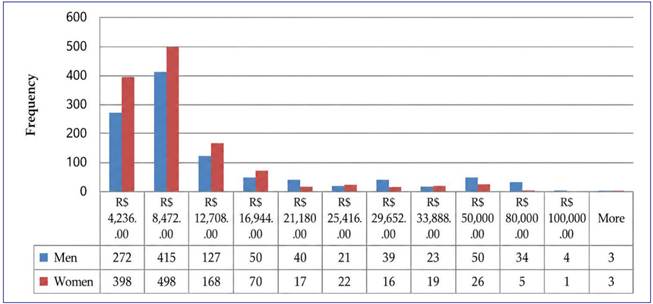 Source: Elaborated by the authors.
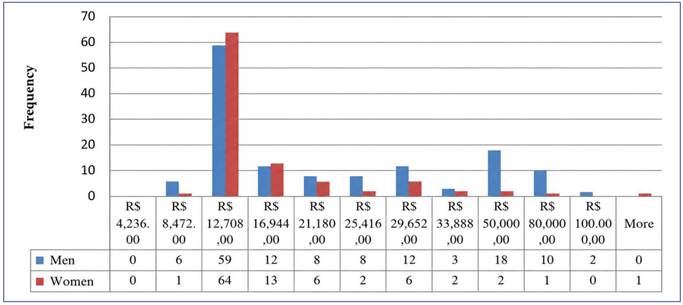 Source: Elaborated by the authors.