 Use of Peritoneal Flap with Pericranium Graft in Gender Reassignment Surgery: Technical Description
Objective: To describe a hybrid vaginoplasty technique using an autologous pericranial graft combined with a robotic-assisted peritoneal flap as an alternative for gender-affirming surgery patients with insufficient penoscrotal tissue.
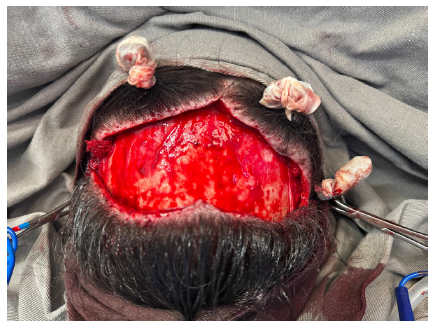
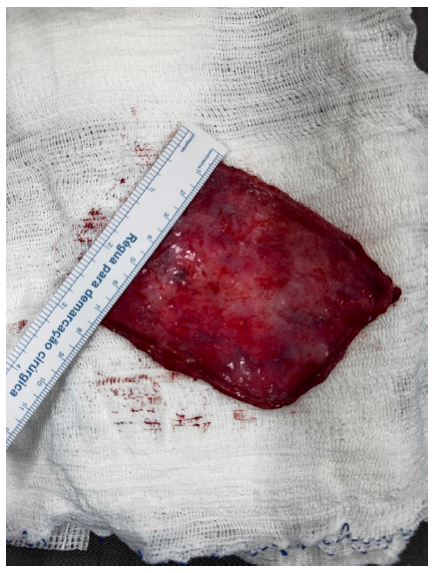
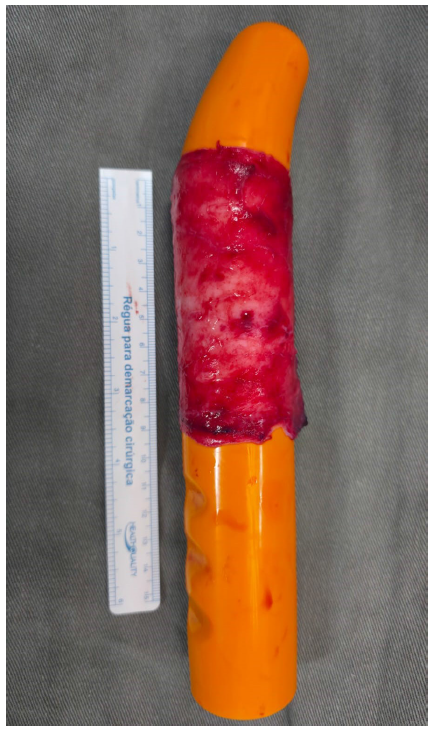
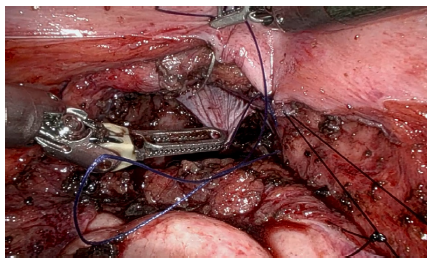
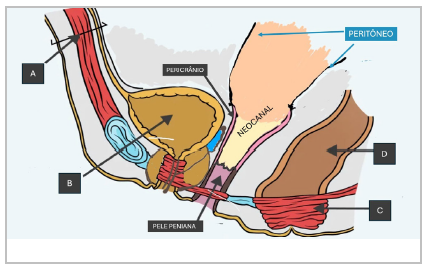
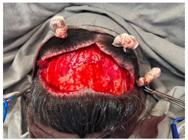
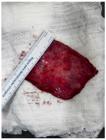
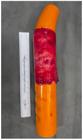
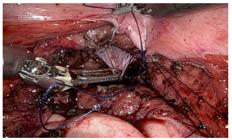
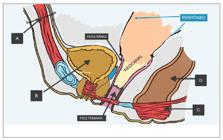
Methods: Case report of a 28-year-old transgender woman with a history of prior penile inversion vaginoplasty who developed stenosis and loss of vaginal canal depth. The patient underwent revision vaginoplasty using the hybrid technique. The procedure consisted of harvesting a pericranial graft to create a tubular structure, which was then anastomosed to a robotic-assisted peritoneal flap to create the neovaginal canal.
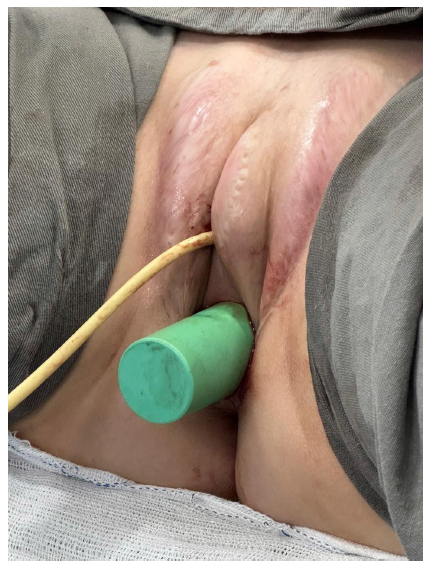
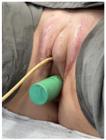
Results: The procedure was successfully performed without intraoperative complications. The patient had a good healing process, and after six months of follow-up, maintained an 18-cm neovaginal canal that was epithelialized, adequately lubricated, and without evidence of stenosis. Patient satisfaction with both functional and aesthetic outcomes was high.
Conclusion: Hybrid vaginoplasty using a pericranial graft combined with a robotic-assisted peritoneal flap may represent a viable and promising alternative for gender reassignment patients with insufficient penoscrotal tissue, particularly in revision surgeries, providing a vaginal canal with satisfactory depth and tissue quality and low donor-site morbidity.
Keywords:
Vaginoplasty; Sex Reassignment Surgery; Peritoneal Flap; Pericranium Graft
 Thumbnail
 Thumbnail
 Thumbnail
 Thumbnail
 Thumbnail
 Thumbnail