 Liver transplantation: embracing the future with machine perfusion
ABSTRACT
Despite the annual increase in liver transplants, a persistent disparity between suitable donors and recipients continues to challenge the transplant community. The introduction of machine perfusion emerged as a novel approach to organ preservation. This technique, which utilizes extended criteria donor grafts, is expected to reduce rejection rates and expand the donor pool. Its principle, like that of any ex vivo machine perfusion, is based on the continuous supply of nutrients and oxygen to maintain cellular metabolism while interrupting anaerobic processes. This helps prevent conditions such as ischemia-reperfusion injury, early graft dysfunction, and ischemic cholangiopathy, which can lead to graft loss and the need for retransplantation. There are two main modes of ex vivo machine perfusion: hypothermic and normothermic, differentiated by the operating temperature. Utilizing ex situ perfusion machines presents a promising opportunity to increase liver graft usage and reduce waitlist times. However, it is crucial to evaluate how much this technology would raise the overall cost of transplants. In Brazil, implementing a machine perfusion program may encounter unique challenges not seen in other countries. These challenges include limited access to the healthcare system for high-risk liver transplant candidates, long waiting lists, inadequate support for organ donors, reliance solely on deceased brain-dead donors, since donation after cardiac death is not ethically accepted, and geographical barriers.
Headings:
Liver Transplantation; Transplantation; Organ Transplantation; Perfusion; Tissue and Organ Procurement
ARTICLE HIGHLIGHTS
• Machine perfusion represents a revolution in organ preservation for liver transplantation.
• With over 67,000 patients on the waiting list in 2024, Brazil urgently needs new organ preservation strategies.
• Machine perfusion has the potential to save hundreds of discarded livers per year, expanding the donor pool.
• The cost of normothermic machine perfusion can be justified by increased graft utilization and reduced retransplantation rates.
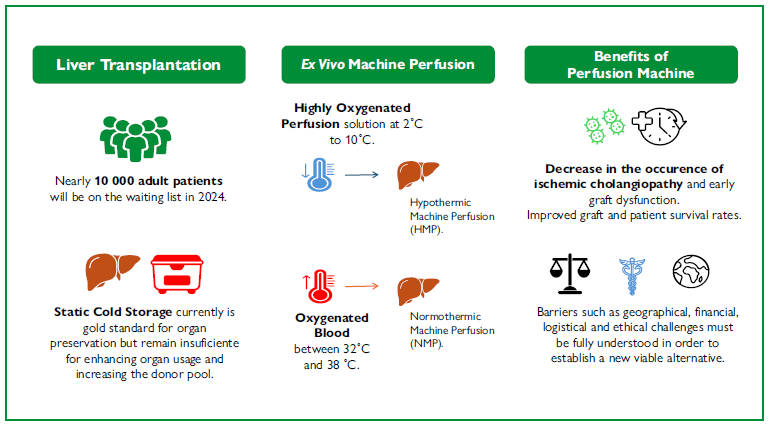
CENTRAL MESSAGE Despite the annual increase in liver transplants, the persistent disparity between suitable donors and recipients remains an ongoing issue for the transplant community. Alternatives such as extended criteria donor allografts, donors after circulatory death, and grafts with significant macrosteatosis have been employed to address this disparity. The introduction of machine perfusion in clinical practice emerged as a novel approach to organ preservation. This technique is expected to lower rejection rates and broaden the donor pool by utilizing extended criteria donor grafts.
PERSPECTIVES The advent of the perfusion era in liver transplantation rapidly modified the landscape for the predictable future. New research and randomized controlled trials are underway to determine whether machine perfusion is a viable and superior alternative to static cold storage. It remains uncertain how costs will affect healthcare expenditures related to transplants, as machine perfusion has shown improved graft utilization and better patient outcomes. Comprehensive and standardized transplant research studies are essential to thoroughly investigate these issues and provide robust data to support the use of machine perfusion.
RESUMO
Apesar do aumento anual no número de transplantes hepáticos, persiste uma disparidade entre doadores adequados e receptores, desafiando a comunidade transplantadora. A máquina de perfusão surge como inovação na preservação de órgãos, especialmente ao utilizar enxertos de doadores com critérios expandidos, podendo reduzir taxas de rejeição e ampliar o pool de doadores. Seu princípio, como o de qualquer perfusão ex vivo, baseia-se na oferta contínua de nutrientes e oxigênio, mantendo o metabolismo celular e interrompendo processos anaeróbicos. Esse mecanismo ajuda a prevenir lesões por isquemia-reperfusão, disfunção precoce do enxerto e colangiopatia isquêmica, complicações associadas à perda do enxerto e à necessidade de retransplante. Existem duas modalidades principais de perfusão ex vivo em máquina: hipotérmica e normotérmica, diferenciadas pela temperatura operacional. A utilização dessas tecnologias representa uma oportunidade promissora para aumentar o aproveitamento de fígados e diminuir o tempo de espera. Contudo, é necessário avaliar até que ponto elas aumentariam os custos dos transplantes. No Brasil, a implantação dessa técnica pode enfrentar desafios específicos não encontrados em outros países. Os desafios incluem o acesso limitado ao sistema de saúde por pacientes em situação de alto risco, listas longas, apoio insuficiente aos doadores, dependência exclusiva de doadores falecidos com morte cerebral, já que a doação após parada cardíaca não é eticamente aceita no país, além de barreiras geográficas relevantes.
Descritores:
Transplante de Fígado; Transplante; Transplante de Órgãos; Perfusão; Obtenção de Tecidos e Órgãos
INTRODUCTION
Despite the annual increase in liver transplants, the persistent disparity between suitable donors and recipients remains an ongoing issue for the transplant community60. As per Organ Procurement and Transplantation Network data6, nearly 10,000 adult patients were on the waiting list in 2024 in the United States. The number of patients on the waiting list in the same year in Brazil was 67,8796,33.
Alternatives such as extended criteria donor (ECD) allografts, donation after circulatory death (DCD), and grafts with significant macrosteatosis have been employed to address this disparity22. The use of grafts from ECD is more susceptible to ischemia-reperfusion injury, early graft dysfunction (EAD), and ischemic cholangiopathy (IC) when preserved under static cold storage (SCS), the current standard method for organ preservation41,57.
Those constraints were always a subject of interest, and many studies intended to fully understand the mechanisms of this injury and the need to develop new preservation methods.
The introduction of machine perfusion in clinical practice emerged as a novel approach to organ preservation. This technique is expected to lower rejection rates and broaden the donor pool by utilizing ECD grafts.
Current studies are being conducted to determine the advantages of machine perfusion in the context of transplantation.
The beginning of machine perfusion: a revolutionary advancement
Claude Bernard, a French physiologist, was the first to describe an ex vivo liver perfusion model, with ongoing studies on isolating glycogen from the liver and discovering the process of gluconeogenesis in 185036.
In 1935, Lindbergh and Carrel developed the prototype of a machine for organ perfusion. This device consisted of a glass pump that preserved animal organs outside the body by pushing “artificial blood” through the pump and into the organ via a tube connected to the artery of the organ16. This innovation ultimately contributed to the development of the heart-lung machine.
The efforts to establish a new preservation method were unsuccessful, and the principles of SCS became the gold standard for organ preservation.
Brettschneider et al. first reported the advent of ex situ perfusion machines in 1967 in an animal model, which was later applied to the first series of human liver transplantations by Thomas Earl Starzl7. However, the research was discontinued after unsuccessful attempts, especially after the introduction of the University of Wisconsin solution.
Due to the increasing demand for alternatives to reduce waiting lists and expand the donor pool, new studies have been conducted on various perfusion methods, including ex situ perfusion machines.
Guarrera et al. performed the first clinical trial with hypothermic machine perfusion (HMP) in 201026. In 2013, Vogel et al. performed the world’s first liver transplant with the normothermic machine perfusion (NMP) in England45,57.
Those studies were considered landmarks within the transplant community and initiated a series of studies to establish ex vivo machine perfusion as a viable option for transplantation.
Static cold storage current perspectives
SCS, widely recognized as the gold standard for organ preservation, employs a meticulous process that flushes the organs thoroughly with a carefully formulated preservation solution. This solution is stored at optimal temperatures between 2-4°C10.
The underlying principle of this method is that the reduced temperature significantly slows down cellular metabolism. This effectively decreases the cells’ energy demands and interrupts anaerobic metabolic processes, which can be detrimental during periods of storage.
A key characteristic of this preservation technique is the specially designed preservation solution itself. This solution contains vital cell-impermeant agents such as lactobionic acid, raffinose, and hydroxyethyl starch. These components work together to create an ideal biological environment, preventing significant cell swelling during the essential time for cold ischemia. Moreover, the solution contains glutathione and adenosine, two fundamental compounds that assist in metabolic restoration once the organs are ready for reperfusion54.
Over time, many organ preservation solutions were developed, such as Euro-Collins, the University of Wisconsin, histidine-tryptophan-ketoglutarate, and more recently, the Institut George Lopez30.
Despite ongoing efforts and improvements, the SCS remains insufficient for enhancing organ usage and increasing the donor pool.
Ex vivo machine perfusion
The principle of any ex vivo machine perfusion is to offer nutrients and oxygen delivery for cellular metabolism and interrupt anaerobic metabolism to prevent conditions such as ischemia-reperfusion syndrome, EAD, and IC, that can culminate in graft loss and ultimately retransplantation.
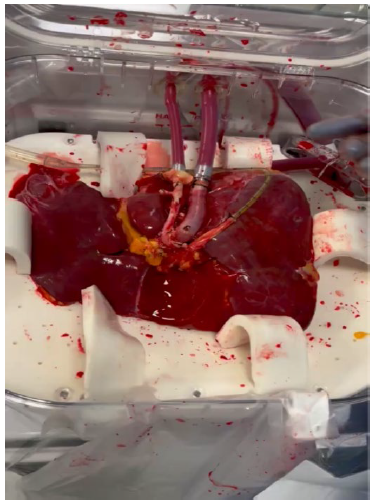
There are two main types of ex vivo machine perfusion: HMP and NMP. The key difference between these two methods is the temperature at which they operate. HMP perfuses the organ’s vascular system at temperatures typically ranging from 2-10°C. In contrast, NMP perfuses at a temperature range of 34-37°C, which closely mimics the body’s physiological state (Figure 1).
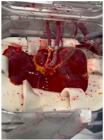
Shows a liver after being placed on the Organ Care System Liver normothermic machine perfusion. Three cannulas have been inserted: one into the portal vein, another into the arterial vasculature, and a third into the common bile duct.
There is also a new ex vivo machine perfusion subtype called subnormothermic machine perfusion (SNMP). It is performed at approximately 20°C with oxygenated perfusate and has shown promise in initial preclinical studies2,3,29,62. However, its benefits compared to NMP and HMP are still unclear. Also, those studies included a limited duration of perfusion, and animal studies are not yet applicable to humans. More studies must be conducted to understand the role of SNMP in perfusion strategies.
Hypothermic machine perfusion
HMP quickly became the focus of most studies. An important modification was the hypothermic oxygenated perfusion (HOPE) that used a highly oxygenated (pO2 >60 kPa) artificial solution at hypothermic temperatures, i.e., 8-12°C53.
The circulating perfusate is delivered through the portal vein, and dual hypothermic oxygenated perfusion (D-HOPE) devices circulate perfusate through both the portal vein and the hepatic artery. Currently, no clinical studies are available comparing the two different strategies.
Many groups in Europe frequently use HMP devices, but currently, no such devices are approved by the US Food and Drug Administration (FDA) for clinical use, despite ongoing clinical trials1,8,43.
Pereyra et al. recently presented the first analysis of real-world data comparing HOPE modalities with SCS regarding outcomes after liver transplantation. HOPE-treated organs display a reduced incidence of biliary complications and shorter hospitalization47.
A meta-analysis conducted by Parente et al. considered four randomized controlled trials (RCTs) regarding the use of HOPE among all RCTs about machine perfusion. All four RCTs compared this perfusion strategy with SCS. A total of 482 patients were analyzed, divided into two groups: 241 patients received a graft after HOPE treatment, and 241 livers were cold stored14,50,52,55.
All four randomized HOPE studies reported EAD rates, which occurred at 18.6% in the HOPE group compared to 40.2% in the SCS group, representing a lower risk for EAD. Also, overall biliary complication rates were lower in the HOPE group. However, this analysis did not reach statistical significance; the effect was graded as moderate, with a likely 6.9% reduction in overall biliary complications. HOPE significantly reduced graft loss and retransplantation rates compared to cold storage. Such effects were graded with high and moderate certainty, respectively21,47.
A recently published multicenter observational cohort study focusing on HOPE/D-HOPE treated liver transplants analyzed 1,202 liver transplant recipients from 22 European centers. The study reported impressive death-censored graft survival rates of 94% at one year, 90% at three years, and 87% at five years. Additionally, the overall patient survival rates were 91% at one year, 86% at three years, and 81% at five years17.
Normothermic machine perfusion
NMP is based on mimicking physiological conditions, since it provides high-pressure pulsatile oxygenated, nutrient-rich blood between 32-38°C through the hepatic artery and low-pressure non-pulsatile flows in the portal vein, preserving metabolic function. Compared to other preservation methods, the primary advantage of NMP is its ability to conduct viability testing prior to transplantation. This testing can evaluate hepatocellular viability by examining the liver’s metabolic functions through real-time analysis of lactate clearance, bile production, and various biochemical components, such as pH, glucose reabsorption, and bicarbonate secretion.
There are currently no universal set criteria for determining the viability of livers after undergoing NMP, although groups from Cambridge and Birmingham have tried to establish relevant viability criteria on which many current protocols are based35,58.
The VITTAL clinical trial, a prospective, non-randomized, phase 2 trial, conducted by the Birmingham group, performed viability assessment on discarded livers after the use of NMP. Of the discarded livers that were perfused, 71% were transplanted with 100% 90-day patient and graft survival35.
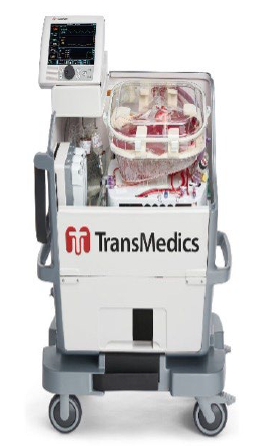
The first NMP device was approved clinically in the United States in late 2021, and there are currently two FDA-approved, commercially available NMPs for liver transplantation in the US: the Organ Care System (OCS, TransMedics Inc®, Andover, Massachusetts, USA) (Figures 2 and 3) and OrganOx® (Metra, Oxford, UK)42,46. Only the OCS from TransMedics® is currently being used in the donor hospital, therefore it can be transported to the recipient’s hospital.
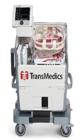
The Organ Care System Liver is an integrated system composed of three main components: the liver console, a perfusion set, and a combination of medications, solutions, and bile salts for infusion (TransMedics®). This platform is designed to perfuse both the portal venous and hepatic arterial circulations using warm, oxygenated, and nutrient-enriched blood-based perfusate.
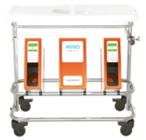
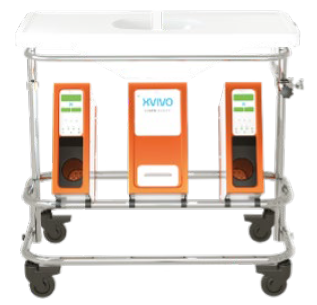
XVIVO’s Liver AssistT® has an integrated organ reservoir, dual circuits for independent pressure-controlled perfusion of both the portal vein and hepatic artery, and can operate at temperatures from below 12°C to 38°C, allowing it to be used for both hypothermic oxygenated perfusion, normothermic machine perfusion, sub-normothermic, or a combination, of these techniques.
OrganOx® is allocated only at the recipient’s hospital, therefore the livers are first procured and placed in SCS and then transported to the transplant hospital where the organ is placed on the pump46.
The ex vivo machine perfusion is currently being used as an alternative to preserve ECD and DCD grafts. Therefore, the main topic of discussion in the transplant community is the incidence of IC and EAD in pumped livers.
IC is a condition that can lead to readmissions and even retransplantation. It is often associated with DCD grafts, since the longer donor warm ischemia time predisposes to ischemic insult during retrieval28,32, with previously reported incidences reaching as high as 47%18,32, with 11.4% at experienced transplant centers12.
The PROTECT trial, a US multicenter randomized clinical trial, compared post-transplant outcomes for recipients who received donor livers preserved using SCS or the OCS Liver. A total of 115 cases were divided into two groups: one group with grafts that underwent SCS (61 cases) and the other group with grafts that were perfused by NMP (54 cases). The study showed a significant reduction in the incidence of IC in the OCS-liver group compared with those using SCS (3 vs. 11%). Also, the study demonstrated a significant decrease in the incidence of EAD compared with SCS in the primary analysis (18 vs. 31%). Therefore, the study concluded that the NMP group revealed superior short-term and mid-term clinical outcomes and a higher number of donor livers used for transplantation34.
One of the hypotheses for the reduction of IC in NMP grafts is that the perfusion machine may function, since it uses continuous flow, as a thrombolytic therapy before transplanting the organ. Therefore, the microthrombi in the peribiliary vascular plexus were not able to form non-anastomotic biliary strictures20.
IC usually develops within three to six months after transplantation, notwithstanding it can occur up to one year following surgery25,27. The time of the diagnosis is dependent on the type of imaging modalities used and the frequency of imaging, as determined by periodic surveillance protocols or guided by clinical or laboratory findings12.
Biliary strictures are characteristic imaging findings of IC in the setting of DCD liver transplantation, and they can be divided into anastomotic and non-anastomotic strictures (NAS).
NAS consists of areas of biliary injury and narrowing other than the biliary anastomosis and mostly involves the donor intrahepatic ducts proximal to the anastomosis51,56.
Endoscopic retrograde cholangiopancreatography (ERCP)-guided biliary intervention is currently the cornerstone of therapy for patients who develop IC after liver transplantation, with balloon dilation and placement of plastic stents in all accessible strictures. The goal is to relieve obstruction and prevent recurrent cholangitis.
The ultimate treatment for NAS in the DCD liver transplant setting is the retransplantation with rates of 47.7% even in experienced transplant centers12. Although there is still a strong association between NAS and DCD allografts, it seems that NMP can mitigate this incidence when compared to SCS preservation, even in longitudinal follow-up62. Recent data have demonstrated that the incidence of IC, EAD, and primary nonfunction in DCD grafts is nearly equivalent to grafts from donation after brain death (DBD)9,11,15.
Eden et al. reported a multinational study of DCD liver transplants, where countries that had available in situ and ex situ machine perfusions had increased and better DCD utilization rates17, demonstrating that NMP can also improve the number of liver transplants performed.
Costs related to the perfusion machine
The use of ex situ perfusion machines represents an exciting new technology that can expand graft usage and reduce waitlist time. However, it is important to analyze how much it would increase the total cost of the transplant.
Raigani et al. conducted the first cost-analysis of end-ischemic NMP, with a median cost of US$ 15,454 to perform NMP in a liver transplant, considering the direct (perfusion device disposables, perfusate components, and point-of-care equipment) and indirect costs (personnel and facility fees, and depreciation of the perfusion device). When compared to the estimated monthly Medicare expenses for the patient with a Model for End-Stage Liver Disease (MELD) of 30, the use of NMP can be justified since it enhances the viability rate usage of the graft49.
The first RCT on liver transplantation with NMP (with OrganOx® Metra, OrganOx® Limited, Oxford, United Kingdom) conducted in the UK31,38 provided the data to elaborate a de novo decision-analytic model that estimates the costs and outcomes of each strategy over a lifetime horizon. The use of NMP was more costly and more effective than SCS preserved organs, representing an important landmark in the NMP cost-effectiveness research.
A Canadian group recently published a cost-effectiveness study comparing NMP (with OrganOx® Metra, OrganOx® Limited, Oxford, United Kingdom) with SCS in liver transplants. They concluded that NMP leads to greater incremental number of well-being-adjusted life years over five years. In addition, NMP was associated with more lives saved and decreased waitlist figures and mortality rates59.
One of the advantages of NMP is the possibility to transplant livers that would be discarded under SCS, such as steatotic grafts from older DCD donors and with prolonged warm ischemia time. The number of discarded livers in the United States has been relatively constant since 2005, with a median of 705 grafts discarded annually44. According to Raigani et al., if all discarded grafts underwent NMP, an estimated 398 additional livers could meet viability criteria for potential transplantation49.
Another major benefit is that machine perfusion can facilitate a lower MELD at transplantation, which has also been recently demonstrated in recent studies23,59.
Cost-analysis studies on the impact of NMP in liver transplants are still underway. There is a growing demand for more data to evaluate the true impact of this technology on the healthcare system.
Normothermic regional perfusion
DCD procedures were the standard method for organ procurement for human transplantation in the US prior to the establishment of the Harvard criteria for brain death19.
With the increasing shortage of organs and the need for new strategies to enhance organ donation, DCD donors have become an essential resource in the transplant field, thanks to decades of protocol improvements. Early reports on DCD graft outcomes indicated high rates of biliary complications and lower graft survival, which led some centers to hesitate to initially utilize this strategy13. However, the development of in situ normothermic regional perfusion (NRP) prompted excellent results compared to SCS in reducing the incidence of IC and EAD and improving graft survival in DCD donors13. Therefore, DCD became a viable option, and the International Report on Organ Donation and Transplantation Activities in 2023 from the Global Observatory on Donation and Transplantation reported that 25% of all deceased donors were DCD24.
NRP consists of a technique that involves rapid cannulation of blood vessels after death is declared, followed by perfusion of the organs that will be used for transplantation. NRP uses in situ perfusion with oxygenated blood using an extracorporeal membrane oxygenation circuit or cardiopulmonary bypass circuit through aortic and inferior vena cava cannulas, facilitated by vascular access premortem, or with cannulation being done entirely postmortem, allowing in situ viability testing of potential thoracic and abdominal allografts for transplantation37,39,61.
There are three types of techniques: abdominal cannulation (A-NRP), femoral cannulation (femoral A-NRP), and thoracoabdominal cannulation (TA-NRP). The difference between those techniques is which main vessel is cannulated and which organs are being perfused (TA-NRP perfuses organs in the thorax/abdomen, and A-NRP perfuses only abdominal organs).
All techniques perfuse only the organs intended for transplantation and include measures, such as vascular clamps, division of vessels, occlusive vascular balloons, and placement of arterial monitoring lines in non-perfused areas48, to prevent meaningful flow to the brain, avoiding any possibility of neuronal perfusion or recovery.
The central legal and ethical question that TA-NRP highlights is whether the perfusion of organs, including the heart, which restarts, negates the circulatory determination of death, which has raised discussions within the transplant community40.
Machine perfusion: the Brazilian perspective
The development of a machine perfusion program in Brazil may face unique challenges. These challenges include limited access to the healthcare system for high-risk liver transplant candidates, long waiting lists, inadequate care for organ donors, reliance solely on DBD donors, since the use of DCD is not ethically accepted, and geographical barriers.
In 2023, Brazil performed approximately 2,365 liver transplants, making it one of the largest transplant countries in the world. However, at the end of that year, there were still 1,391 active patients on the waitlist, with a mortality rate of 19.6% on the list5.
Boteon et al. were the first to describe an initial experience of machine perfusion in Brazil. They conducted back-to-base end-ischemic HOPE on six ECD DBD grafts, based on the concept of donororgan matching. Although it was a small population due to the setting of limited resources and complex transplant logistics, the study described a successful introduction of the HOPE procedure, representing a landmark in the Brazilian transplant community4.
CONCLUSIONS
The advent of the perfusion era in liver transplantation rapidly modified the landscape for the foreseeable future. New research and randomized controlled trials are underway to determine whether machine perfusion is a viable and superior alternative to SCS. It remains uncertain how costs will affect healthcare expenditures related to transplants, as machine perfusion has shown improved graft utilization and better patient outcomes. Further studies are necessary to fully understand the benefits and role of perfusion in the transplant process. In developing countries, there are still barriers to overcome, as well as geographical, financial, logistical, and other challenges. Comprehensive and standardized transplant research studies are essential to thoroughly investigate these issues and provide robust data to support the use of machine perfusion.
REFERENCES
- 1. Adham M, Peyrol S, Chevallier M, Ducerf C, Vernet M, Barakat C, et al. The isolated perfused porcine liver: assessment of viability during and after six hours of perfusion. Transpl Int. 1997;10(4):299-311.
-
2. Agius T, Songeon J, Klauser A, Allagnat F, Longchamp G, Ruttimann R, et al. Subnormothermic ex vivo porcine kidney perfusion improves energy metabolism: analysis using 31P magnetic resonance spectroscopic imaging. Transplant Direct. 2022;8(10):e1354. https://doi.org/10.1097/TXD.0000000000001354
» https://doi.org/https://doi.org/10.1097/TXD.0000000000001354 -
3. Bhattacharjee RN, Ruthirakanthan A, Sun Q, Richard-Mohamed M, Luke S, Jiang L, et al. Subnormothermic oxygenated perfusion optimally preserves donor kidneys ex vivo. Kidney Int Rep. 2019;4(9):1323-33. https://doi.org/10.1016/j.ekir.2019.05.013
» https://doi.org/https://doi.org/10.1016/j.ekir.2019.05.013 -
4. Boteon APCS, Lima MRD, Guardia BD, Carvalho MF, Schlegel A, Boteon YL. Establishing a HOPE program in a real-life setting: a Brazilian case series. Transplant Direct. 2023;9(12):e1555. https://doi.org/10.1097/TXD.0000000000001555
» https://doi.org/https://doi.org/10.1097/TXD.0000000000001555 -
5. Brazilian Association of Organ Transplantation. Number of transplants in Brazil in 2023, by organ [Internet]. Statista; 2025. Available at: https://www.statista.com/statistics/1033759/brazil-organ-transplants-type/ Accessed: Apr. 19, 2024.
» https://www.statista.com/statistics/1033759/brazil-organ-transplants-type/ -
6. Brazilian Transplant Registry. Official publication of the Brazilian Association of Organ Transplantation. [Internet]. São Paulo: BTR; 2024. Available at: https://site.abto.org.br/wp-content/uploads/2025/05/rbt-n4-2024-populacao.pdf Accessed: Dec. 12, 2024.
» https://site.abto.org.br/wp-content/uploads/2025/05/rbt-n4-2024-populacao.pdf - 7. Brettschneider L, Daloze PM, Huguet C, Groth CG, Kashiwagi N, Hutchison DE, et al. Successful orthotopic transplantation of liver homografts after eight to twenty-five hours preservation. Surg Forum. 1967;18:376-8. PMID: 21572893.
-
8. Bridge to HOPE: hypothermic oxygenated perfusion versus cold storage prior to liver transplantation [Internet]. ClinicalTrials.gov; 2024. Available at: https://clinicaltrials.gov/study/NCT05045794 Accesses: Feb. 20, 2025.
» https://clinicaltrials.gov/study/NCT05045794 -
9. Chadha RM, Croome KP, Aniskevich S, Pai SL, Nguyen J, Burns J, et al. Intraoperative events in liver transplantation using donation after circulatory death donors. Liver Transpl. 2019;25(12):1833-40. https://doi.org/10.1002/lt.25643
» https://doi.org/https://doi.org/10.1002/lt.25643 -
10. Collins GM, Bravo-Shugarman M, Terasaki PI. Kidney preservation for transportation: initial perfusion and 30 hours’ ice storage. Lancet. 1969;2(7632):1219-22. https://doi.org/10.1016/S0140-6736(69)90753-3
» https://doi.org/https://doi.org/10.1016/S0140-6736(69)90753-3 -
11. Croome KP, Lee DD, Keaveny AP, Taner CB. Improving national results in liver transplantation using grafts from donation after cardiac death donors. Transplantation. 2016;100(12):2640-7. https://doi.org/10.1097/TP.0000000000001483
» https://doi.org/https://doi.org/10.1097/TP.0000000000001483 -
12. Croome KP, Mathur AK, Aqel B, Yang L, Taner T, Heimbach JK, et al. Classification of distinct patterns of ischemic cholangiopathy following DCD liver transplantation: distinct clinical courses and long-term outcomes from a multicenter cohort. Transplantation. 2022;106(6):1206-14. https://doi.org/10.1097/TP.0000000000003928
» https://doi.org/https://doi.org/10.1097/TP.0000000000003928 -
13. Croome KP, Subramanian V, Mathur AK, Aqel B, Mao SA, Clendenon JN, et al. Outcomes of DCD liver transplant using sequential normothermic regional perfusion and normothermic machine perfusion or NRP alone versus static cold storage. Transplantation. 2025;109(7):1184-90. https://doi.org/10.1097/TP.0000000000005301
» https://doi.org/https://doi.org/10.1097/TP.0000000000005301 -
14. Czigany Z, Pratschke J, Froněk J, Guba M, Schöning W, Raptis DA, et al. Hypothermic oxygenated machine perfusion reduces early allograft injury and improves post-transplant outcomes in Extended Criteria Donation Liver Transplantation From Donation After Brain Death: Results From a Multicenter Randomized Controlled Trial (HOPE ECD-DBD). Ann Surg. 2021;274(5):705-12. https://doi.org/10.1097/SLA.0000000000005110
» https://doi.org/https://doi.org/10.1097/SLA.0000000000005110 -
15. Doyle MB, Collins K, Vachharajani N, Lowell JA, Shenoy S, Nalbantoglu I, et al. Outcomes using grafts from donors after cardiac death. J Am Coll Surg. 2015;221(1):142-52. https://doi.org/10.1016/j.jamcollsurg.2015.03.053
» https://doi.org/https://doi.org/10.1016/j.jamcollsurg.2015.03.053 -
16. Dutkowski P, Rougemont O, Clavien PA. Alexis Carrel: genius, innovator and ideologist. Am J Transplant. 2008;8(10):1998-2003. https://doi.org/10.1111/j.1600-6143.2008.02364.x
» https://doi.org/https://doi.org/10.1111/j.1600-6143.2008.02364.x -
17. Eden J, Brüggenwirth IMA, Berlakovich G, Buchholz BM, Botea F, Camagni S, et al. Long-term outcomes after hypothermic oxygenated machine perfusion (HOPE-REAL study). J Hepatol. 2025;82(1):97-106. https://doi.org/10.1016/j.jhep.2024.06.035
» https://doi.org/https://doi.org/10.1016/j.jhep.2024.06.035 -
18. Fasullo M, Patel M, Khanna L, Shah T. Post-transplant biliary complications: advances in pathophysiology, diagnosis, and treatment. BMJ Open Gastroenterol. 2022;9(1):e000778. https://doi.org/10.1136/bmjgast-2021-000778
» https://doi.org/https://doi.org/10.1136/bmjgast-2021-000778 -
19. Finotti M, Wall A, D’Alessandro A, Schwartz G, Sonnenday C, Goldberg D, et al. The Dallas Donation after Circulatory Death Transplantation Summit: expanding donation after circulatory death procedures through process improvement, broader utilization, and innovation. Hepatobiliary Surg Nutr. 2024;13(5):824-36. https://doi.org/10.21037/hbsn-23-503
» https://doi.org/https://doi.org/10.21037/hbsn-23-503 -
20. Fodor M, Cardini B, Peter W, Weissenbacher A, Oberhuber R, Hautz T, et al. Static cold storage compared with normothermic machine perfusion of the liver and effect on ischaemic-type biliary lesions after transplantation: a propensity score-matched study. Br J Surg. 2021;108(9):1082-9. https://doi.org/10.1093/bjs/znab118
» https://doi.org/https://doi.org/10.1093/bjs/znab118 -
21. Foley DP, Fernandez LA, Leverson G, Anderson M, Mezrich J, Sollinger HW, et al. Biliary complications after liver transplantation from donation after cardiac death donors: an analysis of risk factors and long term outcomes from a single center. Ann Surg. 2011;253(4):817-25. https://doi.org/10.1097/SLA.0b013e3182104784
» https://doi.org/https://doi.org/10.1097/SLA.0b013e3182104784 -
22. Freitas ACT, Giacomitti IS, Almeida VM, Coelho JCU. Liver retransplantation: prognostic scores and results in the State of Paraná. Arq Bras Cir Dig. 2024;37:e1802. https://doi.org/10.1590/0102-672020240009e1802
» https://doi.org/https://doi.org/10.1590/0102-672020240009e1802 -
23. Gao Q, Alderete IS, Aykun N, Samy KP, Nauser CL, Raigani S, et al. Transforming the logistics of liver transplantation with normothermic machine perfusion: clinical impact versus cost. Liver Transpl. 2025;31(6):750-61. https://doi.org/10.1097/LVT.0000000000000560
» https://doi.org/https://doi.org/10.1097/LVT.0000000000000560 -
24. Global Observatory on Donation and Transplantation. International report on organ donation and transplantation activities 2023 [Internet]. Geneva: WHO; 2024. Available at: https://www.transplant-observatory.org/wp-content/uploads/2024/12/2023-data-global-report-17122024.pdf Accesses: Feb. 20, 2025.
» https://www.transplant-observatory.org/wp-content/uploads/2024/12/2023-data-global-report-17122024.pdf -
25. Graziadei IW, Schwaighofer H, Koch R, Nachbaur K, Koenigsrainer A, Margreiter R, et al. Long-term outcome of endoscopic treatment of biliary strictures after liver transplantation. Liver Transpl. 2006;12(5):718-25. https://doi.org/10.1002/lt.20644
» https://doi.org/https://doi.org/10.1002/lt.20644 -
26. Guarrera JV, Henry SD, Samstein B, Odeh-Ramadan R, Kinkhabwala M, Goldstein MJ, et al. Hypothermic machine preservation in human liver transplantation: the first clinical series. Am J Transplant. 2010;10(2):372-81. https://doi.org/10.1111/j.1600-6143.2009.02932.x
» https://doi.org/https://doi.org/10.1111/j.1600-6143.2009.02932.x -
27. Guichelaar MM, Benson JT, Malinchoc M, Krom RA, Wiesner RH, Charlton MR. Risk factors for non-anastomotic biliary strictures after liver transplantation. Am J Transplant. 2003;3(7):885-90. https://doi.org/10.1034/j.1600-6143.2003.00165.x
» https://doi.org/https://doi.org/10.1034/j.1600-6143.2003.00165.x -
28. Hong JC, Yersiz H, Kositamongkol P, Xia VW, Kaldas FM, Petrowsky H, et al. Liver transplantation using donation after cardiac death: a clinical predictive index for graft failure-free survival. Arch Surg. 2011;146(9):1017-23. https://doi.org/10.1001/archsurg.2011.240
» https://doi.org/https://doi.org/10.1001/archsurg.2011.240 -
29. Hoyer DP, Gallinat A, Swoboda S, Wohlschläger J, Rauen U, Paul A, et al. Subnormothermic machine perfusion for porcine kidneys in a donation after circulatory death model. Transpl Int. 2014;27(10):1097-106. https://doi.org/10.1111/tri.12389
» https://doi.org/https://doi.org/10.1111/tri.12389 -
30. Igreja MR, Wiederkehr JC, Wiederkehr BA, Massutti A, Aguiar Wiederkehr H. Use of Georges Lopez Institute Preservation Solution IGL-1 in pancreas transplantation: a series of 47 cases. Transplant Proc. 2018;50(3):702-4. https://doi.org/10.1016/j.transproceed.2018.02.006
» https://doi.org/https://doi.org/10.1016/j.transproceed.2018.02.006 -
31. Javanbakht M, Mashayekhi A, Trevor M, Branagan-Harris M, Atkinson J. Cost-utility analysis of normothermic liver perfusion with the OrganOx metra compared to static cold storage in the United Kingdom. J Med Econ. 2020;23(11):1284-92. https://doi.org/10.1080/13696998.2020.1804391
» https://doi.org/https://doi.org/10.1080/13696998.2020.1804391 -
32. Kalisvaart M, Croome KP, Hernandez-Alejandro R, Pirenne J, Cortés-Cerisuelo M, Miñambres E, et al. Donor warm ischemia time in DCD liver transplantation-working group report from the ILTS DCD, liver preservation, and machine perfusion consensus conference Transplantation. 2021;105(6):1156-64. https://doi.org/10.1097/TP.0000000000003819
» https://doi.org/10.1097/TP.0000000000003819 -
33. Kwong AJ, Kim WR, Lake JR, Schladt DP, Schnellinger EM, Gauntt K, et al. OPTN/SRTR 2022 annual data report: liver. Am J Transplant. 2024;24(S2):S176-S265. https://doi.org/10.1016/j.ajt.2024.01.014
» https://doi.org/https://doi.org/10.1016/j.ajt.2024.01.014 -
34. Markmann JF, Abouljoud MS, Ghobrial RM, Bhati CS, Pelletier SJ, Lu AD, et al. Impact of portable normothermic blood-based machine perfusion on outcomes of liver transplant: the OCS liver PROTECT randomized clinical trial. JAMA Surg. 2022;157(3):189-98. https://doi.org/10.1001/jamasurg.2021.6781
» https://doi.org/https://doi.org/10.1001/jamasurg.2021.6781 -
35. Mergental H, Laing RW, Kirkham AJ, Perera MTPR, Boteon YL, Attard J, et al. Transplantation of discarded livers following viability testing with normothermic machine perfusion. Nat Commun. 2020;11(1):2939. https://doi.org/10.1038/s41467-020-16251-3
» https://doi.org/https://doi.org/10.1038/s41467-020-16251-3 -
36. Miller LL, Bly CG, Watson ML, Bale WF. The dominant role of the liver in plasma protein synthesis; a direct study of the isolated perfused rat liver with the aid of lysine-epsilon-C14. J Exp Med. 1951;94(5):431-53. https://doi.org/10.1084/jem.94.5.431
» https://doi.org/https://doi.org/10.1084/jem.94.5.431 -
37. Muñoz DC, Pérez BS, Martínez MP, León Díaz FJ, Fernández Aguilar JL, Pérez Daga JA, et al. Does normothermic regional perfusion improve results in Donation After Circulatory Death liver transplantation? Transplant Proc. 2020;52(5):1477-80. https://doi.org/10.1016/j.transproceed.2020.01.088
» https://doi.org/https://doi.org/10.1016/j.transproceed.2020.01.088 -
38. Nasralla D, Coussios CC, Mergental H, Akhtar MZ, Butler AJ, Ceresa CDL, et al. A randomized trial of normothermic preservation in liver transplantation. Nature. 2018;557(7703):50-6. https://doi.org/10.1038/s41586-018-0047-9
» https://doi.org/https://doi.org/10.1038/s41586-018-0047-9 -
39. Neidlinger NA, Brown C, Wood P, Traseger J, Lebovitz D, Cauwels R, et al. Understanding the final disposition of lives declined after the start of procurement: a Nationwide Organ Procurement Organization Effort. Liver Transpl. 2021;27(2):190-9. https://doi.org/10.1002/lt.25799
» https://doi.org/https://doi.org/10.1002/lt.25799 -
40. Nguyen BM. Ethical issues in organ procurement: donation after normothermic regional perfusion in liver transplantation. Curr Opin Organ Transplant. 2024;29(6):400-4. https://doi.org/10.1097/MOT.0000000000001174
» https://doi.org/https://doi.org/10.1097/MOT.0000000000001174 -
41. Nguyen MC, Li X, Linares N, Jadlowiec C, Moss A, Reddy KS, et al. Ex-situ machine perfusion in clinical liver transplantation: current practices and future directions. Liver Transpl. 2025;31(4):531-44. https://doi.org/10.1097/LVT.0000000000000428
» https://doi.org/https://doi.org/10.1097/LVT.0000000000000428 -
42. OCS Liver DCD Trial. TransMedics® [Internet]. ClinicalTrials.gov; 2024. Available at: https://clinicaltrials.gov/study/NCT04194437 Accessed: Dec. 17, 2024.
» https://clinicaltrials.gov/study/NCT04194437 -
43. op den Dries S, Karimian N, Sutton ME, Westerkamp AC, Nijsten MWN, Gouw ASH, et al. Ex vivo normothermic machine perfusion and viability testing of discarded human donor livers. Am J Transplant. 2013;13(5):1327-35. https://doi.org/10.1111/ajt.12187
» https://doi.org/https://doi.org/10.1111/ajt.12187 -
44. Health Resources & Services Administration. Organ Procurement and Transplantation Network (OPTN) [Internet]. Available at: https://optn.transplant.hrsa.gov/data/view-data-reports/ Accessed: Dec. 27, 2024.
» https://optn.transplant.hrsa.gov/data/view-data-reports/ -
45. Organ Recovery Systems I. Study to evaluate performance of the organ recovery systems LifePort® Liver Transporter System, a Machine Perfusion System, for Liver Transplant (PILOT™) [Internet]. ClinicalTrials.gov; 2022. Available at: https://clinicaltrials.gov/study/NCT03484455 Accessed: Feb. 20, 2025.
» https://clinicaltrials.gov/study/NCT03484455 -
46. OrganOx. Metra: for liver transplantation [Internet]. OrganOx; 2022. Available at: https://www.organox.com/metra-for-liver-transplantation Accessed: Dec. 17, 2024.
» https://www.organox.com/metra-for-liver-transplantation -
47. Pereyra D, Dingfelder J, Riha M, Kacar S, Rauter L, Becker N, et al. Dual hypothermic oxygenated machine perfusion of the liver reduces post-transplant biliary complications: a retrospective cohort study. Int J Surg. 2024;110(12):7909-18. https://doi.org/10.1097/JS9.0000000000002115
» https://doi.org/https://doi.org/10.1097/JS9.0000000000002115 -
48. Perez-Villares JM, Rubio JJ, Del Río F, Miñambres E. Validation of a new proposal to avoid donor resuscitation in controlled donation after circulatory death with normothermic regional perfusion. Resuscitation. 2017;117:46-9. https://doi.org/10.1016/j.resuscitation.2017.05.030
» https://doi.org/https://doi.org/10.1016/j.resuscitation.2017.05.030 -
49. Raigani S, De Vries RJ, Carroll C, Chen YW, Chang DC, Shroff SG, et al. Viability testing of discarded livers with normothermic machine perfusion: Alleviating the organ shortage outweighs the cost. Clin Transplant. 2020;34(11):e14069. https://doi.org/10.1111/ctr.14069
» https://doi.org/https://doi.org/10.1111/ctr.14069 -
50. Ravaioli M, Germinario G, Dajti G, Sessa M, Vasuri F, Siniscalchi A, et al. Hypothermic oxygenated perfusion in extended criteria donor liver transplantation-a randomized clinical trial. Am J Transplant. 2022;22(10):2401-8. https://doi.org/10.1111/ajt.17115
» https://doi.org/https://doi.org/10.1111/ajt.17115 -
51. Sanchez-Urdazpal L, Gores GJ, Ward EM, Maus TP, Wahlstrom HE, Moore SB, et al. Ischemic-type biliary complications after orthotopic liver transplantation. Hepatology. 1992;16(1):49-53. https://doi.org/10.1002/hep.1840160110
» https://doi.org/https://doi.org/10.1002/hep.1840160110 -
52. Schlegel A, Mueller M, Muller X, Eden J, Panconesi R, von Felten S, et al. A multicenter randomized-controlled trial of hypothermic oxygenated perfusion (HOPE) for human liver grafts before transplantation. J Hepatol. 2023;78(4):783-93. https://doi.org/10.1016/j.jhep.2022.12.030
» https://doi.org/https://doi.org/10.1016/j.jhep.2022.12.030 -
53. Silva RXS, Weber A, Dutkowski P, Clavien PA. Machine perfusion in liver transplantation. Hepatology. 2022;76(5):1531-49. https://doi.org/10.1002/hep.32546
» https://doi.org/https://doi.org/10.1002/hep.32546 -
54. Southard JH, Belzer FO. Organ preservation. Annu Rev Med. 1995;46:235-47. https://doi.org/10.1146/annurev.med.46.1.235
» https://doi.org/https://doi.org/10.1146/annurev.med.46.1.235 -
55. van Rijn R, Schurink IJ, Vries Y, van den Berg AP, Cortes Cerisuelo M, Darwish Murad S, et al. Hypothermic machine perfusion in liver transplantation - a randomized trial. N Engl J Med. 2021;384(15):1391-401. https://doi.org/10.1056/NEJMoa2031532
» https://doi.org/https://doi.org/10.1056/NEJMoa2031532 -
56. Verdonk RC, Buis CI, van der Jagt EJ, Gouw AS, Limburg AJ, Slooff MJ, et al. Nonanastomotic biliary strictures after liver transplantation, part 2: management, outcome, and risk factors for disease progression. Liver Transpl. 2007;13(5):725-32. https://doi.org/10.1002/lt.21165
» https://doi.org/https://doi.org/10.1002/lt.21165 -
57. Vogel T, Brockmann JG, Coussios C, Friend PJ. The role of normothermic extracorporeal perfusion in minimizing ischemia reperfusion injury. Transplant Rev (Orlando). 2012;26(2):156-62. https://doi.org/10.1016/j.trre.2011.02.004
» https://doi.org/https://doi.org/10.1016/j.trre.2011.02.004 -
58. Watson CJE, Kosmoliaptsis V, Pley C, Randle L, Fear C, Crick K, et al. Observations on ex situ perfusion of livers for tranplantation. Am J Transplant. 2018;18(8):2005-20. https://doi.org/10.1111/ajt.14687
» https://doi.org/https://doi.org/10.1111/ajt.14687 -
59. Webb AN, Izquierdo DL, Eurich DT, Shapiro AMJ, Bigam DL. The actual operative costs of liver transplantation and normothermic machine perfusion in a Canadian setting. Pharmacoecon Open. 2021;5(2):311-8. https://doi.org/10.1007/s41669-020-00241-8
» https://doi.org/https://doi.org/10.1007/s41669-020-00241-8 -
60. Wiederkehr HA, Wiederkehr JC, Da Igreja MR, Ramos EB, Nogara MS, Soffiatti DS, et al. Liver transplantation in patients with primary sclerosing cholangitis: a multicentric study. Arq Bras Cir Dig. 2023;36:e1769. https://doi.org/10.1590/0102-672020230051e1769
» https://doi.org/https://doi.org/10.1590/0102-672020230051e1769 -
61. Yamamoto T, Atthota S, Agarwal D, Crisalli K, MacConmara M, Nakamura T, et al. Impact of portable normothermic machine perfusion for liver transplantation from adult deceased donors. Ann Surg. 2023;278(5):e922-e929. https://doi.org/10.1097/SLA.0000000000006032
» https://doi.org/https://doi.org/10.1097/SLA.0000000000006032 -
62. Yemaneberhan KH, Kang M, Jang JH, Kim JH, Kim KS, Park HB, et al. Beyond the icebox: modern strategies in organ preservation for transplantation. Clin Transplant Res. 2024;38(4):377-403. https://doi.org/10.4285/ctr.24.0039
» https://doi.org/https://doi.org/10.4285/ctr.24.0039
-
Financial source:
None
-
How to cite this article:
Wiederkehr HA, Nguyen MC, Moss A, Mathur AK, Nuñez-Nateras R, Wiederkehr JC, et al. Liver transplantation: embracing the future with machine perfusion. ABCD Arq Bras Cir. Dig. 2026;39:e1946. https://doi.org/10.1590/0102-672020260000017e1946.
-
DATA AVAILABILITY
The datasets generated and/or analyzed during the current study are available from the corresponding author upon reasonable request.
Edited by
-
Editor:
Nelson Adami Andreollo https://orcid.org/0000-0001-7452-1165
The datasets generated and/or analyzed during the current study are available from the corresponding author upon reasonable request.